


Ladakh: The High-Altitude Monsoon Escape
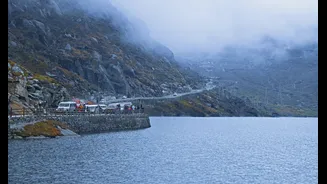
Often called a “cold desert,” Ladakh sits in a rain shadow, meaning the Himalayas block most monsoon clouds. This makes it a popular choice from July to September when much of India is drenched. The primary draw is clear skies and accessible high-altitude
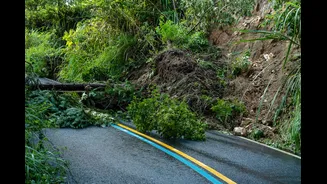
passes, offering stunning views of barren mountains and turquoise lakes. Daytime temperatures are pleasant, and with fewer crowds than in peak summer, you can experience Pangong Tso and Nubra Valley in relative peace. The risk here isn't the rain in Ladakh itself, but on the journey there. The Manali-Leh and Srinagar-Leh highways are prone to landslides and flash floods, which can cause significant delays. While Ladakh proper is generally safe, road travellers must plan for potential blockages and add buffer days to their itinerary. Flying directly into Leh is the most reliable option.
Kerala: A Lush, Rejuvenated Paradise
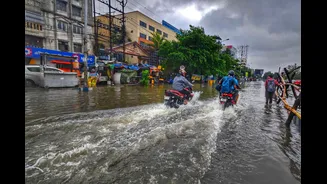
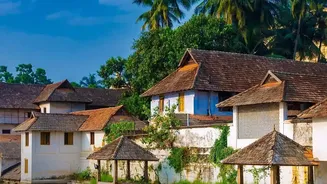
Monsoon is when “God's Own Country” is arguably at its most beautiful. The landscape transforms into a vibrant, emerald paradise, with waterfalls at full strength and the backwaters looking fresh and serene. It's also considered the best time for traditional Ayurvedic treatments, as the moist, cool air is believed to help the body absorb the therapies. However, the weather risk is significant. Kerala receives heavy rainfall from June to September, and the possibility of floods and landslides is real, especially in hilly regions like Munnar and Wayanad. Recent years have seen severe flooding events in August. While it doesn’t rain all day every day, travel plans can be disrupted, and beach activities in places like Varkala are limited due to rough seas. A monsoon trip to Kerala is ideal for those seeking relaxation, wellness, and lush scenery, but it requires flexibility and careful monitoring of weather alerts.
Goa: The Quiet and Green Coast
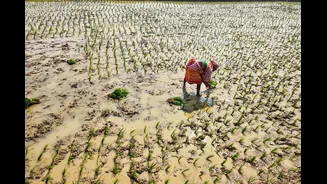
Monsoon in Goa offers a completely different experience from its peak season identity. The bustling party capital becomes a quiet, tranquil retreat. The biggest advantage is the significant drop in prices for flights and accommodation. The landscape is incredibly lush, with verdant paddy fields and hills, making it a great time for scenic drives and photography. The downside is that the classic Goan beach holiday is off the table. The sea is rough and unsafe for swimming, most water sports are suspended, and many iconic beach shacks are closed. Rain can be persistent, sometimes lasting for days, leading to power cuts. While some restaurants and bars remain open, the vibrant nightlife is much more subdued. A monsoon trip here is best for travellers who want to enjoy a slower pace, dramatic sea views from a cosy cafe, and lower costs, rather than a sun-and-sand vacation.
The Verdict: Risk vs. Reward
Your ideal monsoon destination depends entirely on your travel style and risk tolerance. For adventure seekers who want clear skies and dramatic mountain landscapes, Ladakh is the winner, provided you mitigate the road travel risk by flying in or having a flexible schedule. For those seeking rejuvenation, wellness, and breathtaking greenery, Kerala is a fantastic option, but you must be prepared for heavy rain and potential travel disruptions, especially in the highlands. Goa is the budget-friendly choice for a peaceful, relaxed getaway. It's perfect for someone who loves the rain and wants to experience a quieter, more local side of the state, without the expectation of beach parties or swimming.