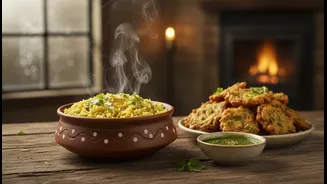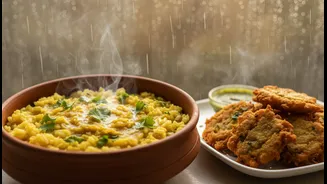





The Unofficial Cuisine of the Monsoon
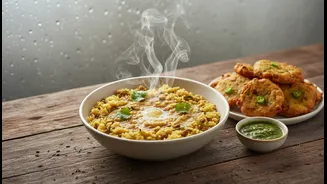
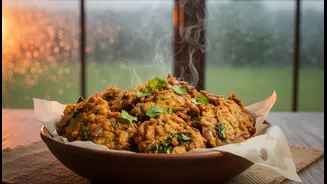
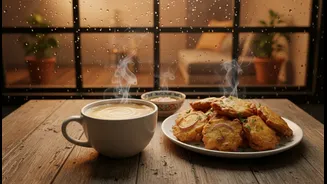
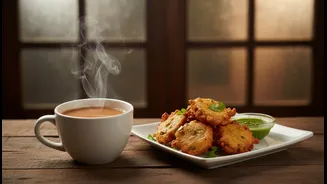
The connection between rain and this specific food pairing is more than just a habit; it’s an ingrained cultural ritual. For many, the aroma of ginger-spiced tea and sizzling fritters is inextricably linked to the sound of a downpour. This pairing gained
cult status in the mid-20th century, romanticized in films and cemented as a tradition in homes, canteens, and railway stations. Psychologically, it makes perfect sense. On a cool, damp day, the body naturally craves warm, high-energy foods. The hot, spicy, and crispy texture of pakoras provides a satisfying contrast to the cool weather, while the warmth of the masala chai offers immediate comfort. It's a sensory experience that feels both scientifically sound and emotionally resonant.
A Taste of Comfort and Nostalgia
In our increasingly fast-paced and globalised world, there is a powerful pull toward the familiar. Chai and pakoras represent a return to simpler times and cherished memories. For many, the craving is deeply tied to childhood, evoking feelings of being cared for and the simple joy of watching the rain from a window. Psychologists note that food-related memories from our youth have a lasting impact on our preferences as adults. This snack duo isn't just about flavour; it's a vehicle for nostalgia, transporting people back to a moment of warmth and security. This desire for comfort foods, which often act as symbols of home and tradition, has only intensified as people seek grounding and a connection to their heritage.
From Street Corner to Chic Café
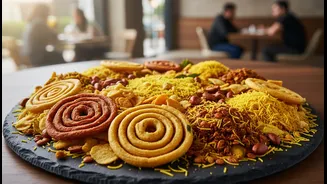
While the classic street-side 'chaiwala' remains an iconic and beloved institution, the way we consume chai is evolving. A new wave of organised tea cafés and artisanal chains like Chaayos and Chai Point has swept across metropolitan India, transforming the humble tea break into a premium experience. These modern spaces cater to a younger, urban demographic that values ambiance and variety as much as taste. Here, traditional masala chai is served alongside innovative new blends, and pakoras might be part of a larger menu of complementary Indian snacks. This shift doesn't replace the old ways but rather runs parallel to them, reflecting a market where consumers want both authentic street-style experiences and comfortable, modern café environments.
The Modern, Health-Conscious Makeover
As wellness becomes a greater priority, even timeless indulgences are getting a healthy update. The traditional deep-fried pakora now has competition from baked, air-fried, and pan-fried versions that promise the same satisfying crunch with less oil. Home cooks and chefs are also getting creative with the ingredients, swapping potatoes and onions for more nutritious options like spinach, paneer, zucchini, or even chicken. This innovative approach allows health-conscious food lovers to satisfy their monsoon cravings without the guilt. It shows that the tradition is not static; it is adapting to modern dietary preferences while preserving the core comfort and flavour that make it so beloved.
More Than a Snack, It's a Social Ritual
Ultimately, the enduring power of chai and pakoras lies in their social function. Chai, in particular, is a cornerstone of Indian hospitality and social life. It’s a gesture of welcome offered to guests, a reason for a break at the office, and a catalyst for long, leisurely conversations known as 'adda'. The act of sharing a pot of tea and a plate of freshly made fritters strengthens bonds between family and friends. It transforms an ordinary rainy afternoon into a moment of connection and shared experience. This combination is more than just a beverage and a snack; it’s a cultural emblem that fosters a sense of community and belonging, which is perhaps what people are truly craving.