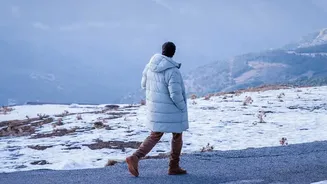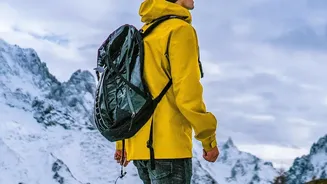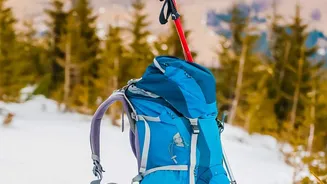


Start with Foundational Fitness
You don’t need to be a professional athlete, but you can't be a complete couch potato either. Winter trekking is more demanding than summer hiking; your body works harder to stay warm, and walking on snow requires more effort. Start preparing at least
three to four weeks before your trek. Focus on cardiovascular endurance by walking for 30-45 minutes daily, incorporating inclines or stairs whenever possible to build leg strength. Strength training, even simple bodyweight exercises like squats, lunges, and planks, will build the core and lower-body stability needed to carry a pack on uneven, snowy terrain. A good fitness base not only makes the trek more enjoyable but also safer, as it helps your body manage its heart rate and energy levels more efficiently.
Master the Art of Layering
The single most important skill for winter comfort is layering. The goal isn't to pile on heavy clothes but to wear multiple, versatile layers that you can adjust as you heat up and cool down. Avoid cotton at all costs; it absorbs sweat and chills your body. Your system should include three main parts. First, a moisture-wicking base layer (thermals) made of synthetic fabric or merino wool that pulls sweat away from your skin. Second, an insulating mid-layer, like a fleece jacket or a light puffy jacket, to trap your body heat. Third, a waterproof and windproof outer shell jacket to protect you from snow, rain, and wind. This system allows you to remove layers during a strenuous climb and add them back the moment you stop, which is crucial for regulating body temperature.
Invest in Critical Gear
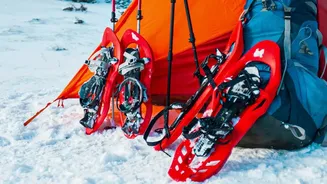
While you can rent some items, a few pieces of personal gear are non-negotiable for safety and comfort. The most common mistake beginners make is wearing inadequate footwear. You need waterproof trekking boots with good ankle support and grip; regular shoes will get soaked in snow, leading to dangerously cold feet. Beyond boots, essential accessories include at least two pairs of gloves (a thin liner and a waterproof outer pair), a woollen cap or beanie that covers your ears, and several pairs of woollen or synthetic socks. Sunglasses are mandatory to prevent snow blindness from intense glare, even on cloudy days. A headlamp is also critical, as daylight hours are shorter and you may start treks before sunrise.
Understand and Respect the Altitude
Many of India's popular winter treks are at high altitudes, where the air is thinner. Altitude sickness is a real risk and can affect anyone, regardless of fitness level. The golden rule is to acclimatise properly. This means ascending slowly, avoiding strenuous exertion on your first day at high altitude, and giving your body time to adjust. Stay extremely well-hydrated by drinking at least four to five litres of water daily. Avoid alcohol and smoking, as they can worsen symptoms. Walk at a steady, comfortable pace, and listen to your body and your guide. If you experience symptoms like persistent headaches, nausea, or dizziness, inform your trek leader immediately.
Choosing Your First Winter Trek
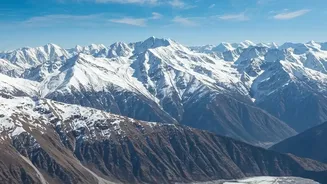
For your first venture, it's wise to pick a well-established, beginner-friendly trail. Treks like Kedarkantha and Dayara Bugyal in Uttarakhand are incredibly popular for first-timers because they offer the full Himalayan snow experience without extreme difficulty. The Triund trek near Dharamshala is another excellent short option with stunning views of the Dhauladhar range. These treks typically range from four to six days and reach manageable altitudes of around 12,500 feet. They are well-serviced by trekking companies who provide guides, equipment, and logistical support, which is highly recommended for anyone new to winter conditions.