


More Than a Postcard Picture
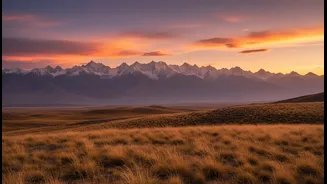
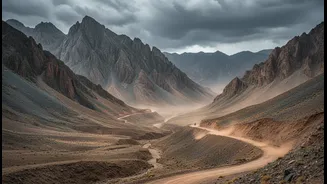
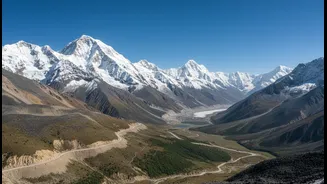
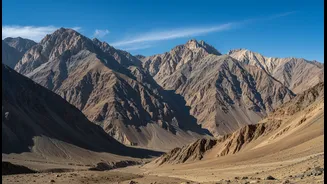
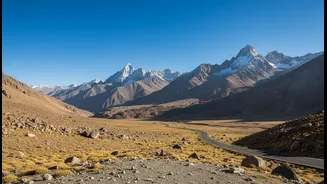
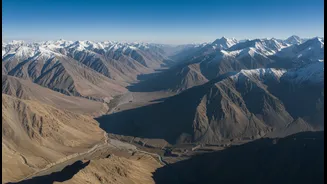
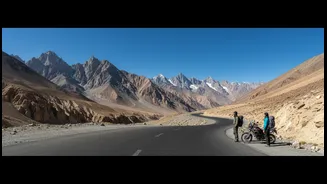
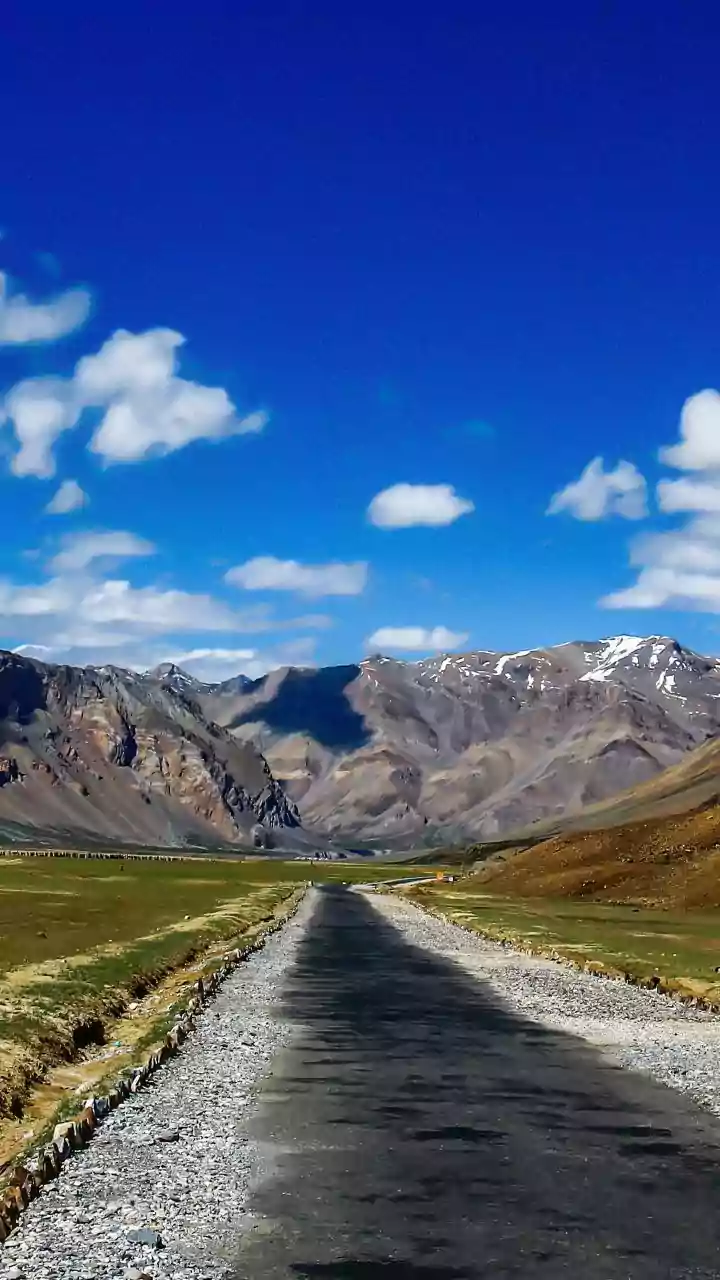
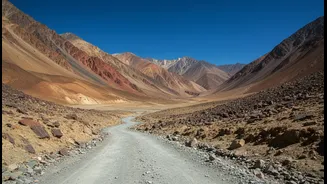
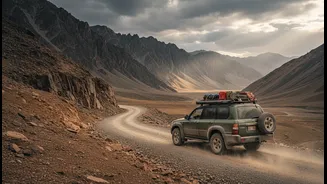
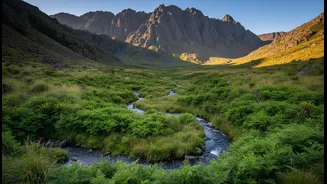
When you see a photograph of Changthang, you see vast, open plains, dramatic mountains, and perhaps the shimmering blue of a high-altitude lake. It's an image of pristine, untouched wilderness. But this perception misses the most vital element: the people.
For centuries, the semi-nomadic Changpa community has thrived in this extreme environment, where temperatures can plummet to –40°C. Their existence is a masterclass in adaptation, built on a deep, symbiotic relationship with the land they call 'the northern plateau'. This isn't an empty space waiting to be discovered by tourists; it is a homeland, a complex ecosystem where every pasture and stream has a name and a purpose.
The Currency of the Cold Desert
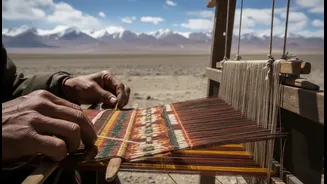
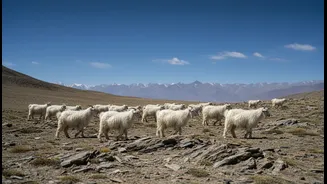
The heart of the Changpa economy beats within its herds of hardy Changra goats. These are not just any goats; they produce the world's finest cashmere, the legendary Pashmina wool. For the Changpa, these animals are their wealth, their sustenance, and their cultural heritage. The entire rhythm of life is dictated by the needs of the flock. Their carefully planned seasonal migration, known as transhumance, involves moving between fixed summer and winter pastures to find grazing, a practice that has sustained them for generations. The raw wool they harvest is the foundation of their cash economy, traded with middlemen and weavers in Kashmir, providing the means to acquire essentials like grains and other necessities they cannot produce themselves.
A Fragile and Shifting Balance
This ancient way of life is facing unprecedented modern pressures. Climate change is a primary threat, altering the very landscape the Changpa depend on. Erratic snowfall, less moisture for grass growth, and hotter summers are shrinking the pastures that feed their goats. This forces herders to change centuries-old migration routes and leads to increased livestock mortality, threatening their economic stability. Adding to this ecological stress are geopolitical issues. Tensions along the border have, at times, cut off access to traditional winter grazing grounds, further squeezing the available land for their herds. These combined pressures are making the already challenging pastoral life even more precarious.
The Double-Edged Sword of Tourism
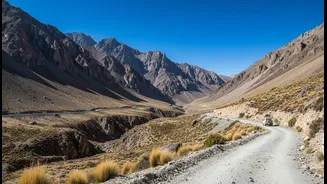
As Ladakh has grown in popularity, tourism has brought both opportunities and new challenges to Changthang. While some in the community have found alternative income through tourism, the impact is complex. The influx of vehicles and tourists during the summer months often coincides with the germination period for the sparse grasslands, causing damage to the fragile pastures essential for the livestock. There's a growing disconnect between the visitor's experience and the resident's reality. The quest for the perfect photo at a scenic lake can disrupt a fragile ecosystem that is also a vital grazing area. For the Changpa, the rise of tourism is a double-edged sword, offering a potential economic lifeline but also threatening the very resources their traditional livelihood depends on.
Guardians of a Unique Heritage
To view the Changpa simply as inhabitants of a picturesque landscape is to miss the point entirely. They are active guardians of a unique ecological and cultural heritage. Their traditional knowledge of rotational grazing and resource management represents a sustainable way of living in a harsh environment. However, with younger generations increasingly drawn to formal education and less arduous jobs in towns, there is a real risk of this knowledge disappearing. Recognizing these challenges, the local administration has recently initiated programs to support the herders, offering incentives to make the profession more profitable and encouraging younger generations to continue the practice. Supporting the Changpa is not just about preserving a tradition; it's about sustaining a delicate balance between humans and nature.