








Meet 'Grounding,' The New Wellness Ritual
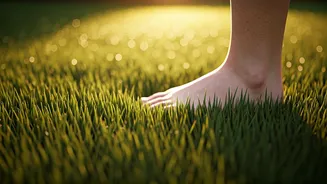
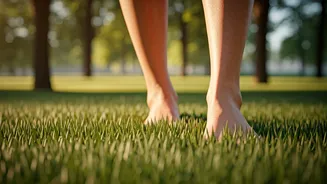
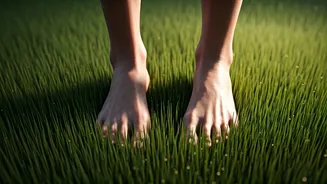
This isn't just about feeling the grass between your toes. The practice is known as 'grounding' or 'earthing,' and it’s based on the idea of making direct physical contact with the Earth's surface. While people have walked barefoot for millennia, Gen
Z has reframed it as an intentional act of self-care. On platforms like TikTok and Instagram, videos tagged #grounding show millions of views, featuring creators extolling its virtues as a simple, free, and accessible way to reconnect with the physical world. For a generation that grew up online, this deliberate, screen-free activity offers a powerful, tangible experience that a digital life often lacks.
An Antidote to Digital Burnout
More than any generation before, Gen Z's social, academic, and professional lives are mediated through screens. This constant digital tethering can lead to a sense of disconnection from one's own body and the physical environment. Grounding serves as a direct and immediate antidote. By forcing a pause from the endless scroll, it shifts focus from the abstract world of pixels and notifications to the concrete sensations of the here and now: the texture of the soil, the temperature of the grass, the feeling of the ground supporting you. It’s a rebellion against the intangible, a small but meaningful way to reclaim a sense of physical reality in an increasingly virtual world.
The Science and Pseudoscience of Earthing
Proponents of earthing make some specific claims, some more studied than others. The central theory suggests that the Earth has a natural, mild negative electrical charge. By making direct contact, our bodies can absorb free electrons, which proponents claim can act as antioxidants, reducing inflammation and improving sleep. While some small-scale studies have explored these benefits, the scientific community largely considers the evidence preliminary and in need of more rigorous research. Critics argue that many of the reported benefits can be attributed to the placebo effect or the simple act of being outdoors and engaging in mindful activity, which are known stress relievers.
A Shortcut to Practical Mindfulness
Regardless of the debate over electrical charges, the psychological benefits of grounding are much easier to verify. The practice is, at its core, an exercise in mindfulness. It encourages you to pay attention to sensory input—a core tenet of many meditation practices. Focusing on the physical sensation of your feet on the ground anchors you in the present moment, helping to quiet the racing thoughts and anxieties that often accompany a busy, digitally saturated life. It doesn't require any special equipment or training, making it one of the most accessible forms of mindfulness available. For a generation grappling with high rates of anxiety, this simple tool for mental clarity is incredibly appealing.
The Pull of Nostalgia and Simplicity
Beyond the wellness jargon and scientific debate, there's a simpler, more universal appeal at play: nostalgia. Walking barefoot on grass evokes memories of childhood, of simpler times defined by outdoor play rather than screen time. In a world of complex challenges, hyper-curated online identities, and constant pressure to perform, the act of taking off your shoes and feeling the earth is refreshingly simple and authentic. It costs nothing, requires nothing, and offers an immediate, uncomplicated pleasure. For Gen Z, it represents a return to something real and elemental—a small, personal act of finding stability in an unstable world.