








The New Face of Cyber Scams
Artificial intelligence (AI) has unlocked incredible possibilities, but it has also armed cybercriminals with powerful new tools. One of the most alarming is voice cloning. With just a few seconds of audio—grabbed from a social media video, a public speech,
or even a previous phone call—scammers can create a digital replica of a person's voice. This technology is sophisticated enough to mimic tone, emotion, and speech patterns, making it incredibly difficult to tell a fake from the real thing. These cloned voices are then used in what are known as 'vishing' (voice phishing) attacks. Scammers in India have increasingly adopted this tactic, with reports showing a significant rise in AI-driven fraud targeting unsuspecting citizens. A recent McAfee survey revealed that 47% of Indian adults have either experienced or know someone who has experienced an AI voice scam.
How the Scam Unfolds
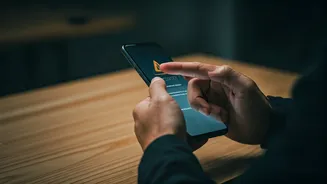
The attack often begins with a phone call from an unknown number. On the other end, you hear the voice of a family member, friend, or colleague in a state of panic. They might claim they've been in an accident, arrested, or are in some other desperate situation that requires an immediate transfer of money. The core of the scam is social engineering, preying on your emotions to make you act without thinking. The 'download' part of the threat comes into play when the scammer, posing as a trusted person, directs you to a website to install an app or file. They might claim it's a payment app, a tracking application to find them, or a file with important details. In reality, this file is malware designed to steal your banking details, personal information, or take control of your device. The cloned voice provides a layer of trust that makes you more likely to click a malicious link or approve a dangerous download.
Warning Signs of a Voice Clone Attack
Vigilance is your best defense. While the voice may sound real, there are often subtle clues that something is wrong. Listen for an unusual sense of urgency or pressure to act immediately. Scammers will insist you can't tell anyone else, like parents or other family members, to prevent you from verifying the story. The audio itself might have strange pauses, a robotic tone, or a lack of typical background noise. Be highly suspicious of any request for money, especially through hard-to-trace methods like gift cards or specific, unfamiliar apps. Also, be wary of calls that seem to be fishing for information; a real loved one wouldn't need to ask for basic details about themselves. The most telling sign is an unexpected, high-stakes request coming from an unfamiliar phone number.
Immediate Steps to Protect Yourself
If you receive a suspicious call, the first and most important step is to hang up. Do not engage with the caller, as even a short conversation can be risky. Next, independently verify the situation. Call your loved one back on their known, saved phone number—not the one that just called you—to confirm they are safe. If you can't reach them, contact another family member or friend who might know their whereabouts. A popular and effective strategy is to establish a 'safe word' with your close family. This is a unique word or phrase, known only to you, that can be used to verify identity during a real emergency. If the caller can't provide the safe word, you know it's a scam.
Strengthening Your Smartphone's Security
Beyond in-the-moment tactics, you should fortify your device against potential attacks. Always keep your phone's operating system and all applications updated to ensure you have the latest security patches. Be cautious about the apps you download. Avoid installing applications from third-party websites or untrusted app stores, as these are common sources of malware. Scrutinise app permissions before you grant them; an app should only have access to the data and functions it truly needs. For an added layer of security, consider installing a reputable mobile security or antivirus application from a trusted provider. Finally, be mindful of what you share online. Limiting the amount of publicly available audio of your voice, such as on social media, can make it harder for scammers to get a sample to clone.