
A Tradition Steeped in Comfort
The connection between the monsoon and specific foods is deeply ingrained in Indian culture. For generations, the arrival of rain after scorching summer months has been a cause for celebration, a signal to slow down and gather with family. In this setting,
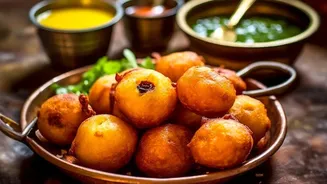
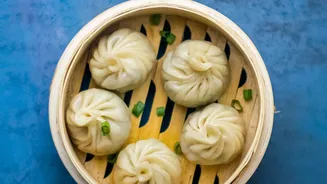
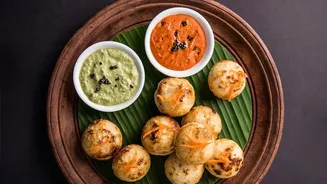
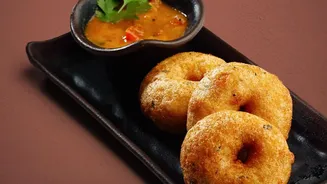
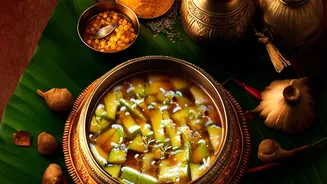
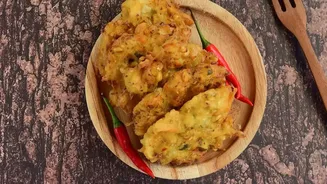
food becomes more than sustenance; it becomes a ritual. Hot, crispy pakoras (also known as bhajiyas or boras) and a steaming cup of chai are an almost universal response to a downpour. Psychologically, this pairing offers a comforting warmth that contrasts with the cool, damp weather. The simple act of frying these fritters fills the home with an irresistible aroma, creating a sensory experience that many associate with nostalgia, family, and the simple joy of being together. Similarly, steamed pithas—soft dumplings made from rice flour, often filled with sweet coconut and jaggery—are integral to seasonal festivals and family gatherings in Eastern India, especially during the monsoon. These dishes represent a culinary heritage passed down through generations, embodying comfort and tradition.
The Digital Renaissance of Rainy Day Snacks
In the past, these traditions were confined to homes and local communities. Today, they have found a vibrant new stage: the world of modern food content. Platforms like Instagram, YouTube, and Facebook have become digital archives for India's rich culinary heritage. Food bloggers and home chefs are increasingly turning their cameras towards these humble, traditional recipes, and audiences are responding with overwhelming enthusiasm. A quick scroll through social media during the monsoon reveals countless videos of onions being sliced for pakoras, batter sizzling in hot oil, and steam rising from freshly made pithas. This isn't just a fleeting trend; it's a digital revival. Content creators are recognizing the powerful pull of authenticity. In a sea of global food trends, these familiar, nostalgic dishes stand out, offering a taste of home that is both relatable and deeply meaningful to a vast Indian audience.
The Perfect Recipe for Virality
The question is, what makes these specific foods so perfectly suited for the digital age? The answer lies in a combination of sensory appeal, simplicity, and storytelling. First, they are incredibly photogenic and videogenic. The golden-brown, crispy texture of a pakora and the soft, pillowy appearance of a steamed pitha are visually appealing. But the magic extends beyond visuals. The sizzling sound of frying is a natural fit for ASMR (Autonomous Sensory Meridian Response) content, creating a deeply satisfying auditory experience for viewers. Second, these recipes are accessible. Most fritters and basic pithas are made with simple, readily available ingredients like gram flour, rice flour, onions, potatoes, and common spices. This simplicity encourages followers to not just watch, but to try the recipes themselves, fostering a sense of community and shared experience. Home cooks can easily replicate what they see, making the content interactive and highly engaging.
Nostalgia as the Main Ingredient
Beyond the sights and sounds, the most powerful element is nostalgia. Food content that taps into memory has become a significant trend. Rainy day fritters and pithas are carriers of personal and collective stories. For many, the sight of a plate of pakoras evokes cherished memories of childhood, of sharing snacks with family while watching the rain. Content creators leverage this by framing their videos not just as recipes, but as snippets of life and tradition. They share stories of their grandmothers' kitchens or their own rainy-day rituals, creating an emotional connection that goes far beyond the food itself. This resonates deeply in a fast-paced world, where people increasingly seek comfort in the familiar and authentic. By showcasing these dishes, creators are not just sharing a recipe; they are preserving and celebrating a piece of cultural identity that their audience instantly recognises and values.