



The New Travel Currency: Authenticity
The fundamental question travellers are asking has changed. Instead of 'Where should I go?', it is now 'What do I want to experience?'. This shift is driven by several factors. The post-pandemic world left many craving less crowded and more meaningful
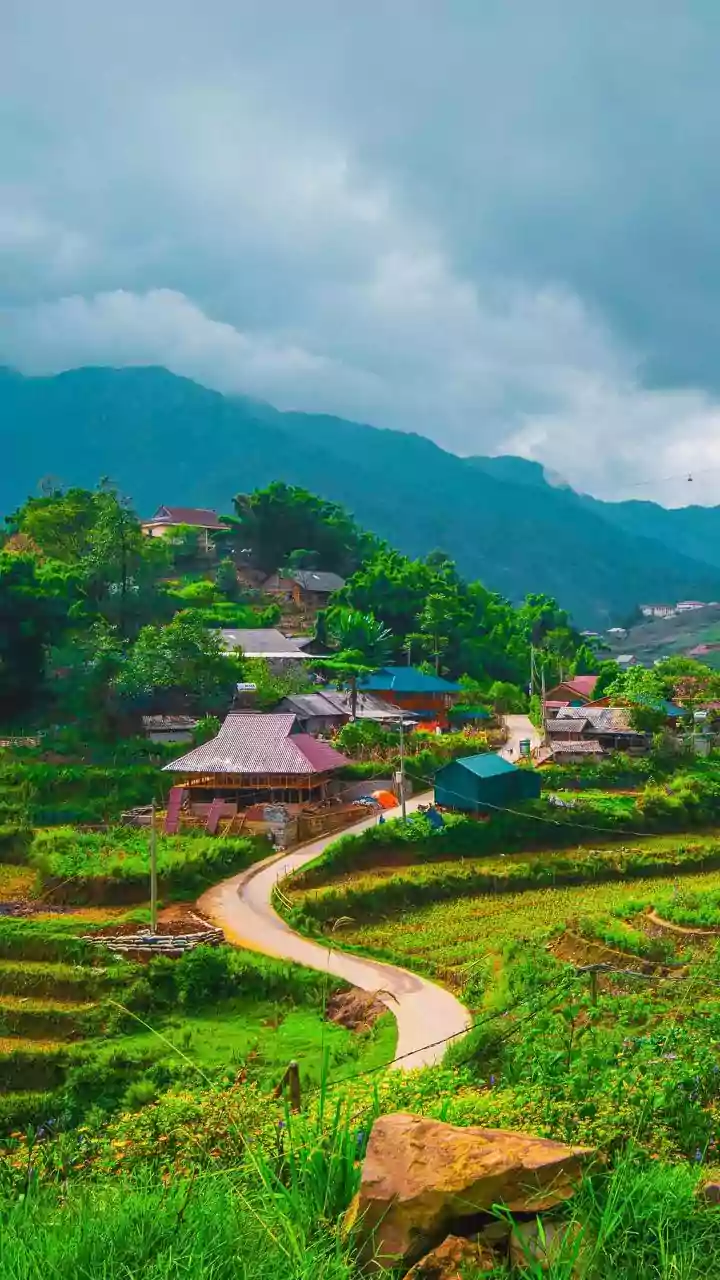
connections. Simultaneously, the explosion of social media has created a desire not just for picturesque backdrops, but for unique stories. A recent survey revealed that 72% of Indian travellers discover offbeat destinations through short-form video reels. This digital word-of-mouth transforms quiet villages and hidden gems into sought-after locations overnight, moving the focus from a handful of famous sites to a vast tapestry of local experiences.
What 'Local Experiences' Mean
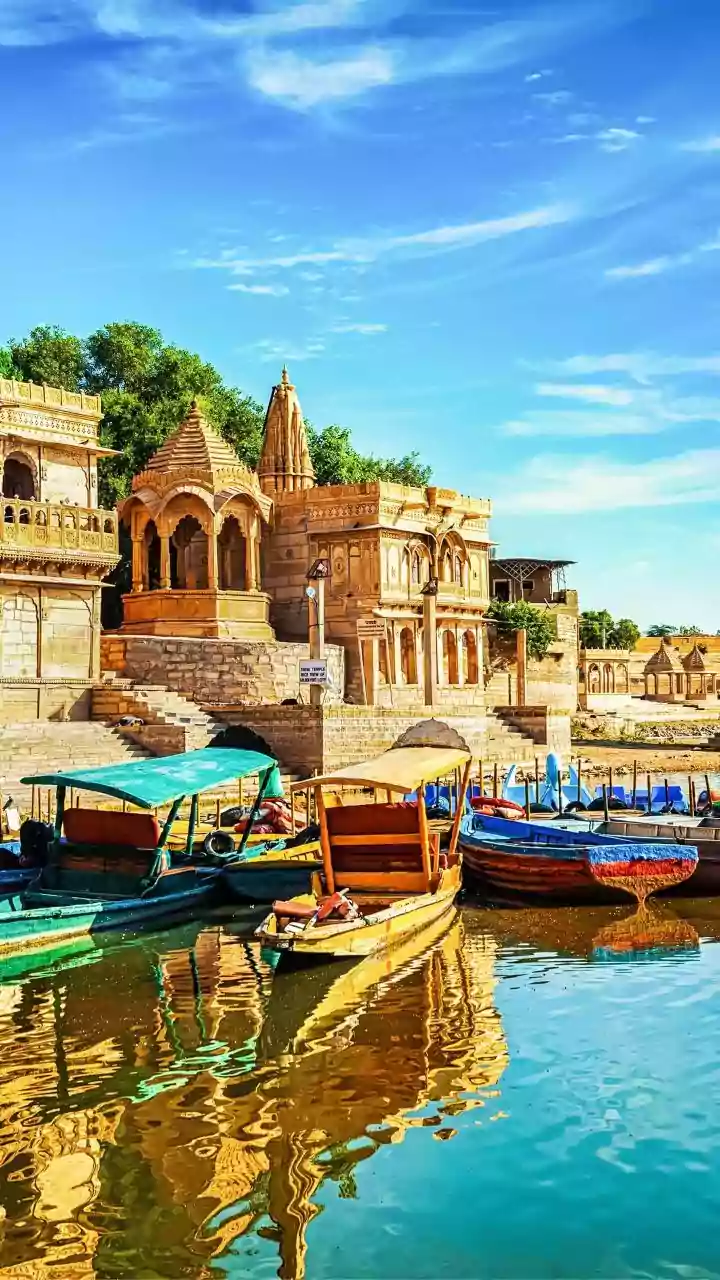
This new tourism model is about active participation rather than passive sightseeing. It's about swapping a hotel for a homestay in the Keralan backwaters, learning about ancient crafts from artisans in a Rajasthani village, or joining a family for a cooking class to understand regional culinary traditions. The spectrum is broad, encompassing agritourism on coffee plantations, spiritual retreats in the Himalayas, heritage walks through historic communities, and attending vibrant local festivals like Durga Puja or Ganesh Chaturthi. Recent data shows a rising interest in culture-led travel, with 67% of Indians planning holidays around experiences like heritage, festivals, and food. This signifies a move from merely visiting a place to truly engaging with its lifeblood.
A Boost for Local Economies
This trend is more than just a passing fad; it's a powerful engine for inclusive growth. When tourism revenue flows directly into smaller towns and rural areas, it creates a sustainable ecosystem. It empowers local communities, creates jobs, revives traditional arts and crafts, and provides a strong incentive to preserve cultural and natural heritage. This shift also helps alleviate the pressure on 'over-touristed' destinations, which often struggle with strained infrastructure and environmental degradation. By distributing tourist flows more evenly, experiential travel fosters a more balanced and resilient industry that benefits a wider cross-section of the population.
Government and Technology as Enablers
The Indian government has recognized and is actively encouraging this shift. Initiatives like 'Dekho Apna Desh' and a national strategy for rural tourism are designed to promote lesser-known destinations and develop theme-based circuits. These programs encourage citizens to explore their own country, fostering domestic tourism which now accounts for a significant portion of the sector's spending. Technology is another key enabler. Platforms for booking homestays, digital payment systems, and AI-powered trip planning tools are making these once-remote experiences accessible to a global audience. The recently launched National Digital Tourism Stack aims to further connect small-scale providers with travellers, ensuring even the most local of experiences can find a place on the digital map.