





The 'No PUC, No Fuel' Mandate
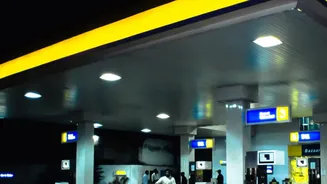
Starting from October 1, 2026, authorities across Delhi-NCR have begun strictly enforcing the 'No PUC, No Fuel' rule. This directive, issued by the Commission for Air Quality Management (CAQM), means that petrol, diesel, and CNG stations can refuse to serve
vehicles that do not have a valid Pollution Under Control (PUC) certificate. The measure is a significant part of the region's broader Winter Action Plan, designed to curb vehicular emissions which are a major contributor to the city's toxic winter smog. While the rule has existed before, the enforcement is being intensified this year with technological upgrades.
How Is It Being Enforced?
The enforcement is not just reliant on manual checks. Many fuel stations, especially around 500 in Delhi, are being equipped with Automatic Number Plate Recognition (ANPR) cameras. These systems automatically scan a vehicle's number plate as it enters the fuel station, check its PUC status against a central database, and alert the pump attendant if the certificate is invalid or has expired. This automated process aims to make the system more efficient and reduce confrontations, ensuring that non-compliant vehicles are identified and denied fuel systematically. The drive is being carried out in 'mission mode' to ensure widespread compliance.
What is a PUC Certificate?
A Pollution Under Control (PUC) certificate is a mandatory document that certifies that a vehicle's emissions are within the legally permissible limits. Under the Central Motor Vehicles Rules, all vehicles are required to have a valid PUC certificate after the first year of registration. The test measures pollutants like carbon monoxide and hydrocarbons. For newer vehicles (BS-IV and above), the certificate is typically valid for one year, while for older models, the validity period may be shorter. This certificate is crucial evidence that your vehicle is not excessively polluting the air. Electric vehicles are exempt from this requirement.
How to Get or Renew Your Certificate
Obtaining or renewing a PUC certificate is a straightforward process. You must take your vehicle to a government-authorized emission testing centre, which are often located at petrol pumps and service stations. A technician will use a device to analyze your vehicle's exhaust emissions. If the levels are within the norms, you will be issued a certificate instantly. The cost is nominal, generally around ₹60-₹80 for two-wheelers and petrol four-wheelers, and about ₹100 for diesel vehicles. While the test itself is offline, you can download a digital copy of your certificate from the official Parivahan Sewa portal using your vehicle's registration number.
Penalties Beyond the Pump
Being denied fuel is not the only consequence of an invalid PUC certificate. Driving a vehicle without a valid PUC is a punishable offence under the Motor Vehicles Act. Authorities can impose a hefty fine of up to ₹10,000. In addition to the fine, penalties can include imprisonment for up to six months and even suspension of your driver's license for three months. Therefore, ensuring your vehicle's PUC is up-to-date is not just about getting fuel but also about avoiding significant legal and financial trouble.
Part of a Bigger Picture
The crackdown on PUC compliance is one component of the multi-stage Graded Response Action Plan (GRAP) which is activated based on air quality. As pollution levels worsen, other measures like restrictions on certain categories of older BS-III petrol and BS-IV diesel vehicles can also be enforced. The CAQM is also taking action against other pollution sources, including road dust, industrial emissions, and stubble burning in neighbouring states. The focus on vehicular emissions through the 'No PUC, No Fuel' rule is a proactive step to tackle one of the most consistent sources of pollution before the air quality deteriorates to 'severe' levels.