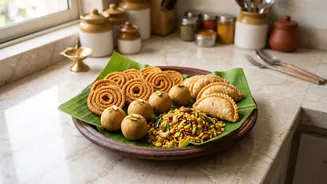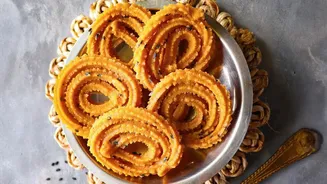



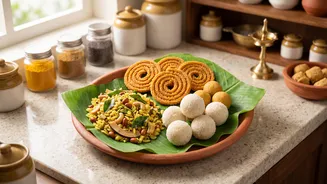

In cities across India, a quiet but delicious trend is unfolding. The familiar crunch of Chakli and the savoury mix of Chiwda, snacks that define Maharashtrian festivities, are no longer just local treasures but are being shipped nationwide.
A Craving for Authenticity
In an age
of global food trends, a powerful counter-movement is gaining ground: a return to authentic, regional flavours. Indian consumers, especially in urban centres, are looking beyond mass-produced snacks and seeking out products with a clear identity and origin. This quest for authenticity has put a spotlight on Maharashtrian staples like chakli and chiwda. Foodies are no longer content with a generic 'murukku' or 'namkeen mixture'; they want the specific taste profile that comes from a particular region's time-tested recipe. This shift explains why a home chef in Pune or a small business in Nagpur can now find customers in Bengaluru or Delhi who appreciate the distinctiveness of their offerings.
The Irresistible Pull of Nostalgia
For many Indians living away from their hometowns, food is a powerful emotional link to their past. The taste of a specific snack can evoke memories of childhood, family gatherings, and festive celebrations like Diwali, when these snacks, known as 'faral', are traditionally prepared and shared. Chakli and chiwda are not just food items; they are carriers of comfort and cultural memory. This nostalgia-driven consumption has become a significant trend, as people seek the reassurance of familiar flavours in a fast-paced urban world. Ordering these snacks online is a way to reconnect with home, one crunchy bite at a time.
What Makes Maharashtrian Snacks Unique?
While similar snacks exist across India, the Maharashtrian versions have distinct characteristics. The classic Maharashtrian chakli is made from a special flour called 'bhajani', a roasted blend of rice and various lentils like chana dal and urad dal. This roasting process imparts a unique, nutty flavour and a perfectly crisp texture that sets it apart. Similarly, Maharashtrian poha chiwda is a masterful balance of sweet, salty, and spicy notes, featuring thin flattened rice, peanuts, fried coconut slices, and curry leaves. It’s this specific combination of ingredients and preparation methods that food enthusiasts are now able to access from anywhere in the country.
The Rise of the Homepreneur and D2C Brands
This trend would not be possible without the explosive growth of home chefs and direct-to-consumer (D2C) brands. What started as a side hustle for many during the pandemic has now evolved into a viable business model. Platforms like Instagram and WhatsApp have become virtual storefronts, allowing small-scale entrepreneurs to showcase their products, build a community of loyal customers, and manage orders without the overhead of a physical shop. This direct relationship fosters trust and allows consumers to feel connected to the person making their food. Many of these 'homepreneurs' are now scaling their operations, getting FSSAI-certified, and building professional brands around their authentic, preservative-free offerings.
Ecommerse and Logistics Bridge the Gap
The final piece of the puzzle is the evolution of ecommerse and logistics in India. It's now easier than ever to order niche food products online and have them delivered to your doorstep, often within a few days. Improved packaging technologies ensure that fragile items like chakli arrive intact, while efficient courier networks connect sellers in smaller Maharashtrian towns to buyers in major metros. The growth of online grocery platforms and quick commerce has also made regional snacks more accessible than ever, moving them from a once—a year festive treat to an everyday indulgence for a new generation of Indian foodies.