
The Rise of Ultra-Processed Foods
Recent studies have put a spotlight on a category of products known as ultra-processed foods, or UPFs. These aren't just foods with a few added ingredients; they are industrial formulations made mostly from refined substances and additives. Think instant
noodles, sugary breakfast cereals, packaged snacks, and sodas. A July 2026 study highlighted that these products are specifically engineered to be 'hyper-palatable', making them difficult to stop eating. The concern is growing globally, with research linking high consumption of UPFs to a wide array of health issues, including obesity, heart disease, type 2 diabetes, and even poor mental health. In India, the trend is particularly alarming. Retail sales of UPFs surged from just under $1 billion in 2006 to nearly $38 billion by 2019, a forty-fold increase, showing how deeply they have penetrated our daily diets.
What the Latest Science Says
The evidence against a diet high in UPFs is becoming harder to ignore. Multiple recent analyses have drawn strong connections between these foods and negative health outcomes. A major study in early 2026 found that individuals with the highest intake of UPFs had a 47% greater risk of suffering a heart attack or stroke. Other research from June 2026 suggests that the industrial processing itself, beyond just the high sugar and salt content, might be harmful. These studies point to factors like chemical additives, changes to the food's cellular structure, and even chemicals from packaging as potential sources of health risks not captured by just looking at the nutrition panel. For young people, the consequences can be stark, with studies linking UPF consumption to diminished cognitive function and mental well-being.
Navigating the Indian Grocery Aisle
Understanding these risks is the first step; the next is applying that knowledge while shopping. In India, the Food Safety and Standards Authority of India (FSSAI) sets the rules for labelling. In 2026, the FSSAI amended its rules to crack down on misleading claims like "100% Natural" when a product contains artificial ingredients. However, a key proposal for Front-of-Pack Labelling (FoPL), which would use simple warning labels or star ratings to indicate high levels of fat, sugar, and salt, has been delayed for years. As of mid-2026, the issue is still pending, which means consumers must be extra vigilant. Don't just trust the claims on the front of the box. The real story is always in the nutrition panel and the ingredient list on the back.
How to Read a Label Like a Pro
Becoming a savvy shopper doesn't require a nutrition degree. Start with the ingredient list. A good rule of thumb is that a shorter list with recognizable ingredients is usually better. If you see a long list of chemicals you can't pronounce, like emulsifiers, thickeners, and artificial flavours, the product is likely ultra-processed. Next, look at the nutritional information per 100g, not just per serving, to make an accurate comparison between products. Pay close attention to added sugar, sodium, and saturated fat. The Economic Survey of India 2025-26 even recommended placing higher taxes on products that exceed thresholds for these ingredients, highlighting their public health impact.
Making Smarter, Realistic Swaps
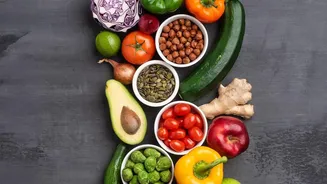
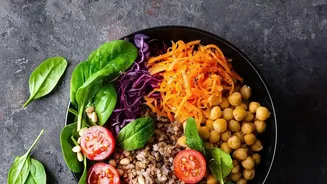
The goal isn't to achieve a perfect diet overnight, but to make gradual, mindful improvements. It's about progress, not perfection. Instead of buying packaged fruit juice, which is often high in added sugar, opt for whole fruits. Swap sugary breakfast cereals for traditional Indian options like poha, upma, or simple oats. Instead of reaching for a packet of biscuits for your evening snack, try a handful of nuts or roasted chana. Even staples can vary widely; a recent US study found that the cheapest breads often contained four times more additives than premium versions. By cooking at home more often, you gain complete control over the salt, sugar, and fat that goes into your family's meals.