




Understanding Your Secret Metabolic Engine: NEAT
NEAT stands for Non-Exercise Activity Thermogenesis, a term for the energy you burn doing everything except sleeping, eating, or formal exercise. This includes daily movements like walking, fidgeting, cooking, or even just standing up. While each action
seems minor, their cumulative effect is a powerful, often overlooked, component of your total daily energy expenditure. In fact, the difference in NEAT levels between individuals can vary by up to 2,000 calories per day, playing a significant role in weight management and metabolic health. By consciously increasing your NEAT, you turn small, everyday movements into a consistent, low-effort tool for better health, helping to counteract the negative effects of a sedentary lifestyle.
Take the Stairs: Your Vertical Calorie Burner
One of the most effective ways to boost your NEAT is by choosing stairs over the elevator. Climbing stairs is a vigorous activity that burns significantly more calories than walking on a flat surface—some estimates suggest it can be two to three times more effective. This is because you are working against gravity, which forces your largest muscle groups like glutes, quads, and hamstrings to engage more powerfully. Beyond the calorie burn, regular stair climbing improves cardiovascular fitness, strengthens your lower body, and enhances balance. To make it a habit, start with simple rules: always take the stairs if you're going up two floors or down three. Use stairwells for phone calls or take brief 'stair breaks' during the day. These small choices add up, turning a mundane part of your environment into a free, accessible fitness tool.
Elevate Your Workday: The Standing Desk Advantage
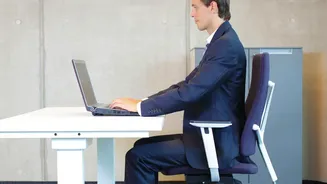
A sedentary job is one of the biggest drains on NEAT. A standing desk directly tackles this by transforming your work posture. While standing doesn't burn as many calories as a dedicated workout, it consistently burns more than sitting—estimates range from an extra 20 to 50 calories per hour. Over an eight-hour workday, that can add up to a meaningful total. More importantly, standing encourages other NEAT-friendly movements like shifting your weight, stretching, and fidgeting, all of which contribute to your daily energy expenditure. To use a standing desk effectively, focus on proper ergonomics: your desk should be at elbow height, allowing your forearms to be parallel to the floor, and your monitor should be at eye level. Don't try to stand all day at first; alternate between sitting and standing every 30 to 60 minutes to build stamina.
Stacking Your Habits for Maximum Impact
The real power comes from combining these strategies. Think of it as 'activity stacking'—layering small movements throughout your day to create a greater cumulative effect. If you work in an office, take the stairs to your floor and then begin your day at a standing desk. Set a timer to take a short walking break every hour, perhaps including a flight of stairs. When you take a phone call, pace around your workspace instead of sitting. These habits work together to redesign your daily environment into one that promotes constant, low-level activity. You're not just burning more calories; you're signaling to your body to increase its metabolic rate and more efficiently process energy. By making movement the default option, you master NEAT without having to dedicate extra time to formal exercise.