

Anatomy of a Breakfast Champion
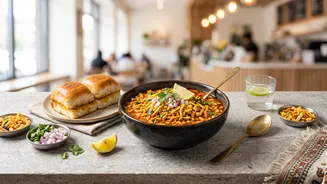
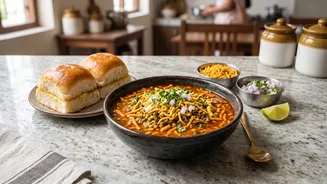
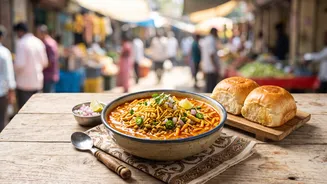
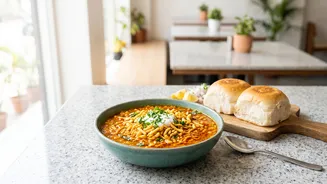
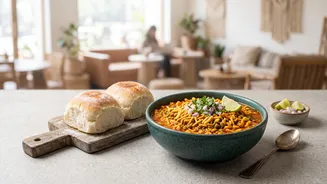
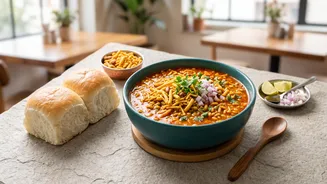
So, what exactly is this dish that inspires such devotion? The name 'misal' itself means 'mixture' in Marathi, which perfectly describes this layered creation. At its heart is the 'usal', a curry made from sprouted moth beans (matki). This is drenched
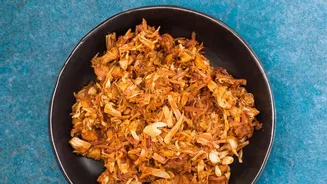
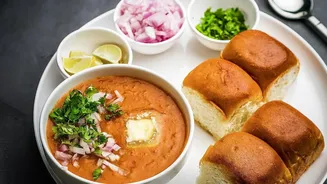
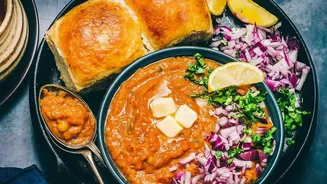
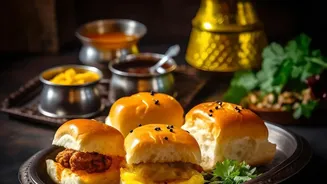
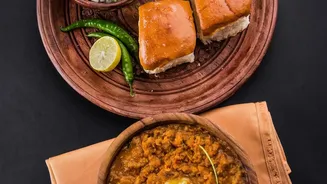
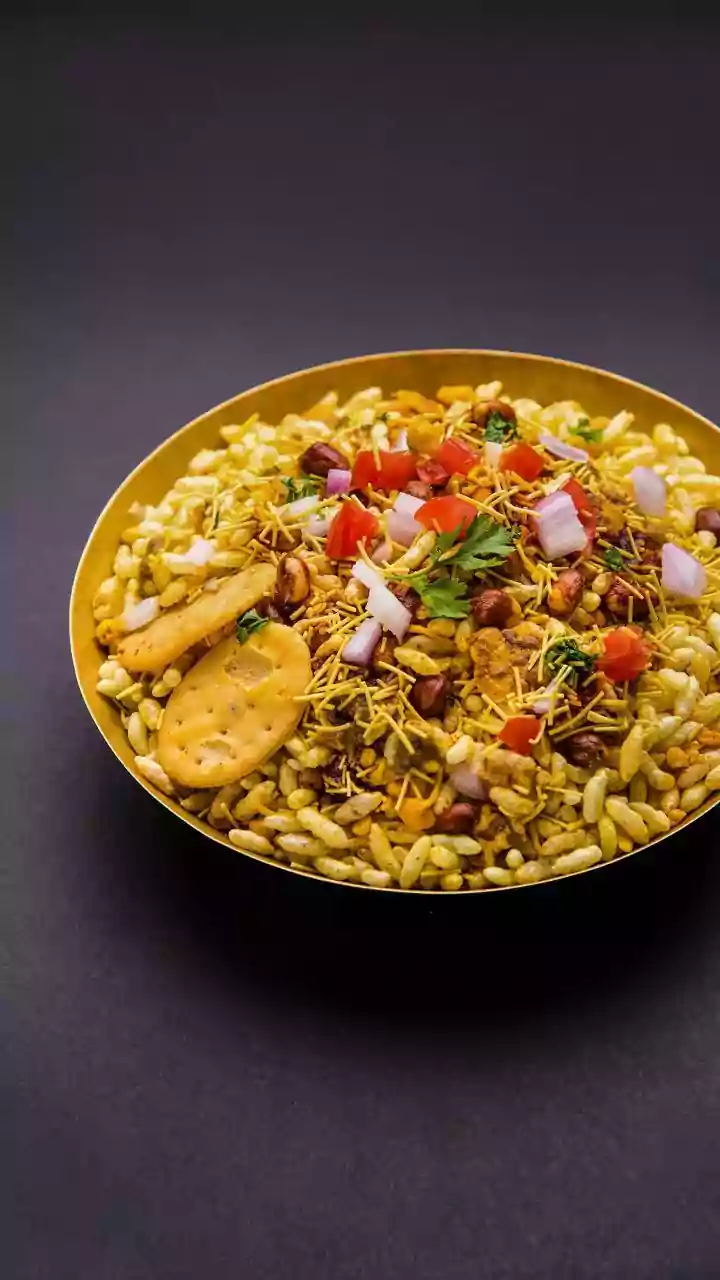
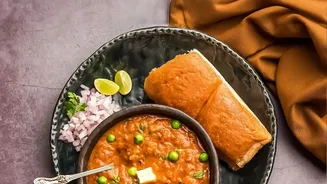
in a thin, fiery gravy known as the 'kat' or 'rassa', which often has a shimmering layer of red oil on top. But the experience doesn't end there. The dish is crowned with a generous handful of 'farsan'—a crunchy mix of fried savoury snacks like sev. Finally, it's garnished with sharp raw onions, fresh coriander, and a squeeze of lime to cut through the richness. This entire assembly is served with 'pav', soft bread rolls perfect for soaking up every last drop of the flavourful gravy.
A Humble and Hearty Origin
Misal Pav's story begins not in fancy kitchens but as a practical, nourishing meal for the working class in the early 20th century. Originating in regions like Nashik and Kolhapur, it was designed to be an affordable and hearty meal for mill workers and labourers who needed sustained energy for a long day's work. The use of protein-rich sprouted lentils made it a nutritious, one-bowl meal. Over time, this humble dish transcended its origins, moving from worker canteens to street-side stalls and eventually becoming a breakfast staple beloved by all, regardless of social standing. Today, it’s a cultural ritual, an anytime snack, and a point of immense local pride.
A Tour of Regional Rivalries
To say there is just one kind of Misal Pav would be a grave oversimplification. The flavour, spice level, and even the colour of the gravy change dramatically from one region to another, sparking friendly (and sometimes fierce) rivalries. The Kolhapuri Misal is legendary for its intense heat, a fiery red curry that is not for the faint of heart. In contrast, Puneri Misal is often milder, sometimes with a sweet and tangy flavour profile, and may even be served over a base of 'pohe' (flattened rice). The Nashik version is known for its distinct 'kala masala' (black spice mix), which gives the gravy a dark, aromatic quality, and is often served with a side of fried papad and yogurt. Other notable versions include the Varhadi Misal from Nagpur, which uses unique Saoji spices, and the Khandeshi Misal, known for its own hot, black gravy.
More Than Just a Meal
What makes Misal Pav so special is that it’s an experience, not just a dish. It’s an interactive meal where you assemble the final product yourself, mixing the crunchy farsan into the hot gravy right at the table. This ensures a perfect symphony of textures in every bite: the soft sprouts, the crunchy toppings, and the spongy pav soaking up the spicy 'kat'. It’s a dish that invites conversation and debate over spice tolerance and the ideal ratio of ingredients. This combination of fiery flavour, satisfying crunch, and customisable assembly has turned Misal Pav into a global sensation, even being recognised as one of the world's best vegan dishes. It’s a testament to how a simple, resourceful meal can evolve into a cherished cultural icon.