



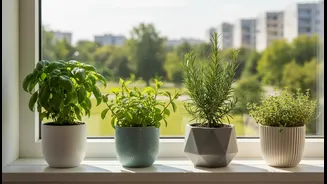


Smart Setup for Small Spaces
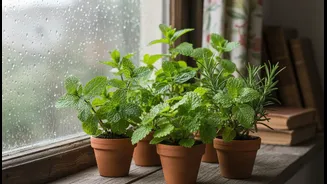
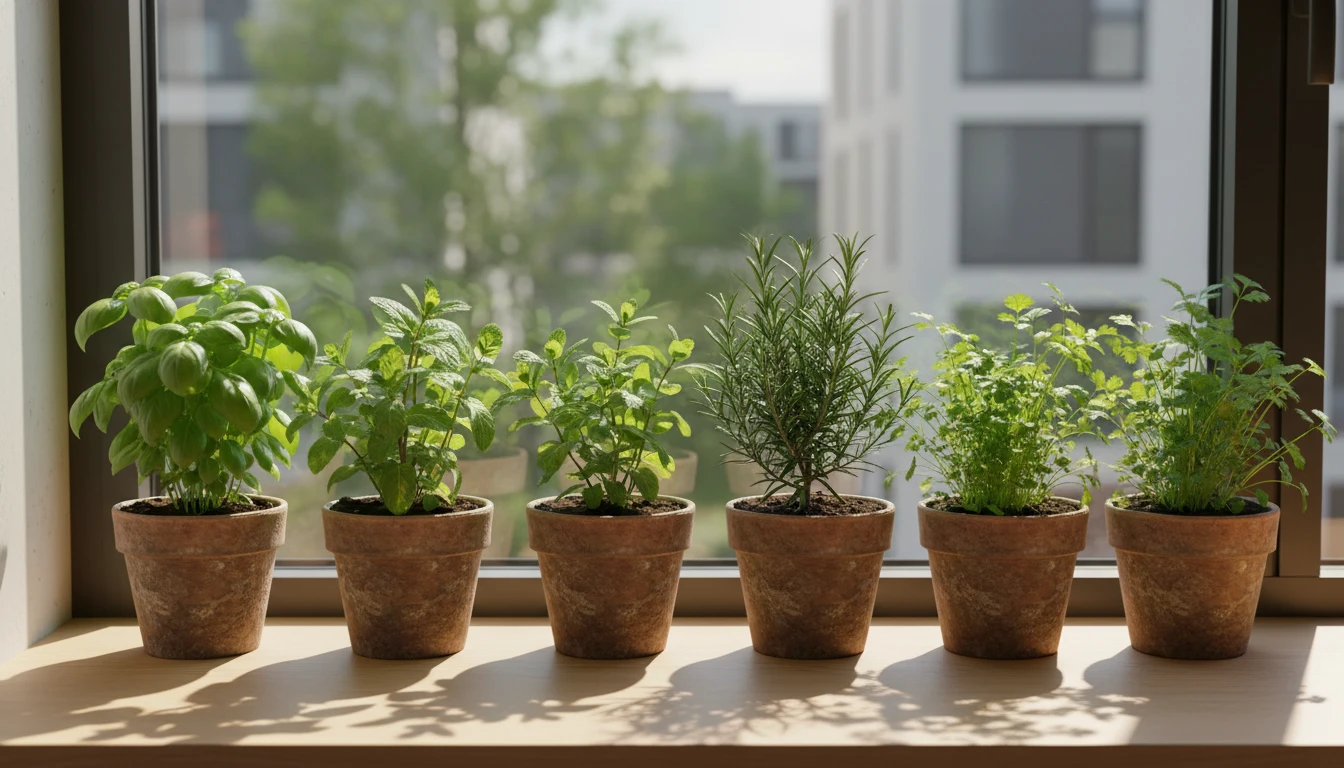
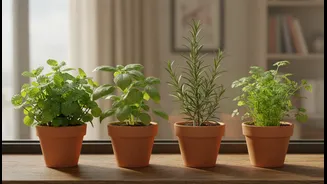
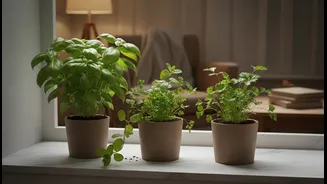
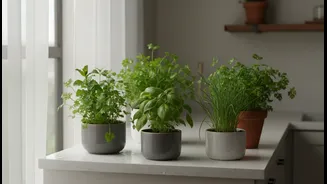
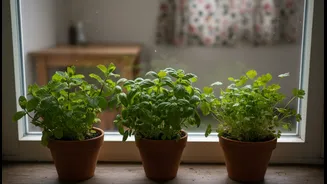
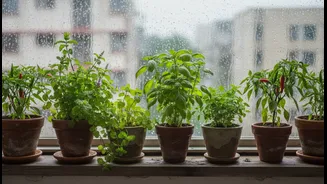
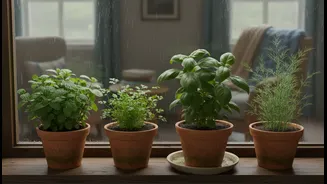
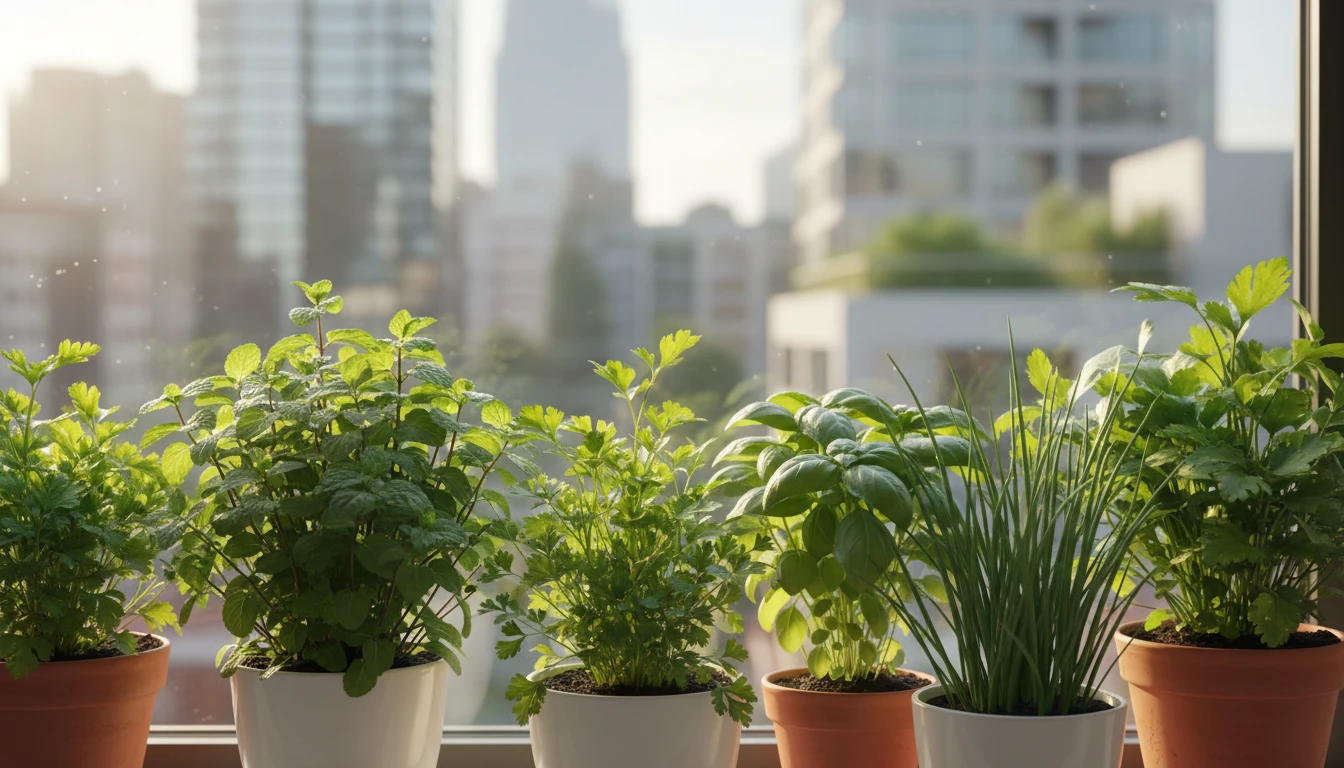
Before you get your hands dirty, assess your space. The biggest challenge on a windowsill is limited area, but with a little creativity, you can create a surprisingly productive garden. Look for narrow, rectangular planters specifically designed for windowsills,
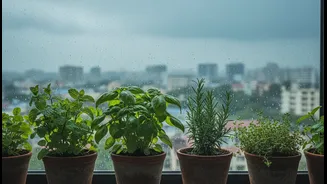
which can often hold multiple small plants. Another excellent strategy is to think vertically. Tiered planters or small hanging baskets can double or triple your growing capacity without taking up more surface area. Railing planters that hang over the edge are also a fantastic option for balcony windowsills. Ensure any pot you choose has drainage holes, which are crucial during the humid monsoon to prevent waterlogging and root rot. A well-draining potting mix, perhaps with some sand or cocopeat added to standard garden soil, will also help keep your plants healthy.
1. Mint (Pudina)
Mint is one of the most forgiving and rewarding herbs for beginners. It's famously resilient and can tolerate partial shade, making it ideal for low-light monsoon conditions. In fact, too much direct sun can scorch its leaves, so a slightly shaded windowsill is perfect. The easiest way to start is with a cutting from a healthy plant, which will readily root in a glass of water or directly in moist soil. Mint loves moisture, a natural advantage during the rainy season, but despises soggy roots. Ensure your pot has excellent drainage. Harvest leaves regularly by snipping the top stems; this encourages the plant to grow bushier and fuller, giving you a continuous supply for your chutneys and teas. Keep an eye on humidity; good air circulation is key to preventing pests and powdery mildew.
2. Coriander (Dhaniya)
No Indian kitchen is complete without fresh dhaniya, and the monsoon is an ideal time to grow it. The season’s cooler temperatures and gentler, filtered sunlight prevent the plant from bolting (flowering prematurely), which can happen in intense summer heat. To begin, take whole coriander seeds and gently crush them to split them in half. Soaking them overnight can speed up germination. Coriander grows a long taproot, so choose a pot that is at least six inches deep. Like mint, it needs well-draining soil to avoid root rot, a common issue during the rains. Place it in a spot that receives four to six hours of indirect sunlight. Once the plant is a few inches tall, you can start harvesting the outer leaves, which will promote further growth and provide fresh flavour for your curries and garnishes.
3. Lemon Balm
A member of the mint family, lemon balm offers a wonderfully refreshing citrus fragrance and flavour. It is notably shade-tolerant and actually prefers partial shade, especially in hotter climates, making it a perfect candidate for a less sunny windowsill. It's an easy-to-grow perennial that isn't as aggressively invasive as its mint cousin, though growing it in a container is still a good way to keep it contained. You can grow it from seeds or cuttings. Keep the soil consistently moist but not waterlogged. The leaves can be harvested at any time once the plant is established and are delightful in teas, salads, and as a garnish for desserts. Regular trimming will help maintain a bushy, compact shape suitable for a small pot.
4. Holy Basil (Tulsi)
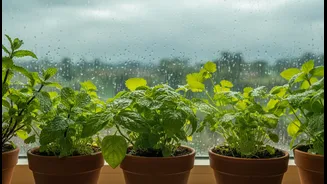
A revered plant in India, Tulsi is not just for prayer but also a medicinal powerhouse perfect for monsoon wellness teas. While most basils crave full sun, Tulsi is surprisingly adaptable and can manage well in partial shade, surviving on as little as four hours of sunlight a day. This makes it viable for an indoor windowsill during the cloudy monsoon months. Plant it in well-draining soil and avoid overwatering, as it dislikes consistently wet feet. A south-facing window is ideal, but it will still grow in other spots with decent light. Regular pruning of leaves and flower buds will encourage a fuller, healthier plant and ensure you have a fresh supply to help boost immunity during the season.