







The Green Living Paradox
In the concrete expanses of cities like Mumbai, Delhi, and Bengaluru, a quiet revolution is taking root. Urban residents, particularly millennials and Gen Z, are increasingly turning to indoor plants to create a pocket of calm in their hectic lives. This
isn't just about aesthetics; it’s a response to a deeper need for well-being. Studies have consistently shown that the presence of indoor plants can reduce stress, improve mood, and even boost productivity. In an era of shrinking living spaces and rising urbanisation, where over 40% of India's population is expected to be urban by 2030, houseplants offer a simple way to reconnect with nature. This growing desire for a green sanctuary clashes with the reality of time-poor lifestyles, fueling a significant and growing market for plants and products that promise beauty without the burden.
Meet the 'Hard to Kill' Crew
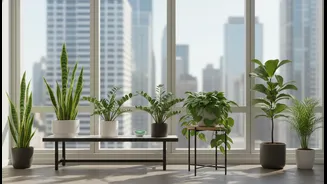
The foundation of any low-effort garden is choosing the right plants. Nurseries and online stores have seen a surge in demand for species that are famously forgiving. These are plants that tolerate a bit of neglect, variable light, and infrequent watering. Topping the list is the Snake Plant (Sansevieria), a vertical-growing plant perfect for tight spaces that can survive with watering every two to four weeks. Another favourite is the ZZ Plant (Zamioculcas zamiifolia), which is so resilient it's often called "indestructible" and actually prefers its soil to dry out completely. Pothos, with their cascading vines, are also incredibly popular for their ability to thrive in low-light conditions, making them ideal for adding a touch of green to a forgotten corner. These species, along with succulents and Chinese Evergreens, form the backbone of the modern, busy person's indoor jungle, proving you don't need a green thumb to have a green home.
Technology to the Rescue: Your Digital Green Thumb
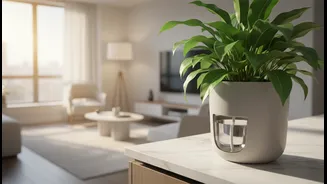
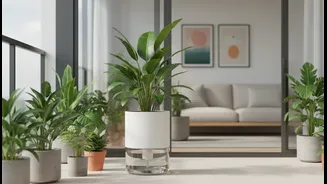
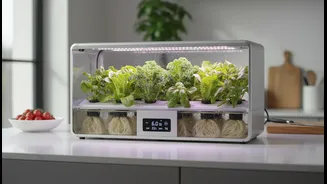
For those who need an extra helping hand, technology is stepping in to eliminate the guesswork. The market for smart gardening solutions is expanding rapidly to cater to this need. Self-watering pots, which feature a built-in reservoir, are a game-changer. They allow plants to draw water as needed, preventing the common pitfalls of over- or under-watering and often requiring a refill only once a month. Taking it a step further are AI-powered smart planters. These high-tech pots can come equipped with sensors to monitor soil moisture, light, temperature, and humidity. They connect to mobile apps that send you reminders and updates, essentially acting as a personal plant nanny. Some can even identify your plant and automatically create a tailored care schedule, ensuring it gets exactly what it needs to thrive.
An App for Every Plant Parent
Beyond hardware, a host of plant care apps have emerged to guide aspiring 'plant parents'. Forgetting when you last watered is a common problem solved by apps like PlantMe and Gardenia, which allow you to set customised reminders for watering, fertilising, and even repotting. Others function like a doctor in your pocket. Apps such as Plantix and PictureThis allow you to take a photo of a plant to identify it or diagnose a potential disease or pest issue. These digital tools not only provide crucial information on demand but also help build confidence. For many urban dwellers who didn't grow up with gardening, these apps serve as accessible mentors, democratising plant care and making it a more engaging and less intimidating hobby.