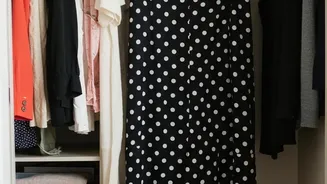









A closet full of clothes, yet nothing to wear. It’s a frustratingly common feeling. The problem isn’t a lack of options, but a flawed strategy. True wardrobe clarity begins not with a shopping list, but with an honest look at your life.
The Trap of Aspirational Shopping
Many of us build
wardrobes for a life we imagine, not the one we actually lead. That trendy dress for a party you might attend, or the formal blazer for a job you don't have yet, often ends up unworn. This is 'aspirational shopping', where purchases are driven by emotion, trends, or an idealised version of ourselves. The result is a collection of isolated items that don't form cohesive outfits, leading to financial regret and a closet that doesn't serve its primary purpose. Starting with a shopping list often encourages this behaviour. We list items we think we 'should' have — a classic trench coat, a white shirt — without first questioning if they fit our real-world needs. This creates a wardrobe full of beautiful but impractical 'orphans'.
Your Daily Life Is the True Blueprint
The most effective way to build a wardrobe you love is to use your daily routine as the foundation. Your closet should be a practical tool that supports your life, not a museum of what-ifs. Taking an honest look at your job, social activities, hobbies, and home life helps determine if your closet truly reflects your lifestyle. Before you can know what you need, you have to understand what you do. This mindset shift—from reactive shopping to proactive planning—is the secret to creating a functional and fulfilling wardrobe. It’s not about restricting yourself, but about making intentional choices that align with who you are today.
How to Conduct a 'Lifestyle Audit'
Set aside some time to think about how you genuinely spend your days. A lifestyle audit doesn't have to be complicated. Grab a notebook and break your week into categories. For example: Work (consider your commute, office dress code, and after-work plans), Social (dinners, casual get-togethers, family events), Home (loungewear, cleaning, hobbies), and Special Occasions (weddings, holidays, travel). Be honest about the percentage of time you spend in each category. If you work from home five days a week, 80% of your wardrobe shouldn't be corporate suits. This audit provides the data needed to build a wardrobe that works for you.
Translating Routine into Wardrobe Needs
Once you have a clear picture of your routine, you can analyse your existing closet. Go through your clothes and ask practical questions. Which items do you reach for constantly? Those are your true essentials. Now, compare your closet's contents to your lifestyle audit. Do you have enough comfortable, professional tops for your video calls? Are your weekend clothes versatile enough for both errands and meeting friends? This process will reveal the 'gaps' in your wardrobe—the specific items that are actually missing and would make getting dressed easier. For example, you might realise you don't need another party dress, but you desperately need a smart, comfortable pair of shoes for your daily commute.
The New, Smarter Shopping List
A shopping list isn't inherently bad; it just needs to come at the end of the process, not the beginning. Your new list should be a direct result of your lifestyle audit and closet gap analysis. Instead of vague entries like 'new jeans', it will have specific, needs-based items like 'dark-wash, straight-leg jeans for casual Fridays'. This intentional approach prevents impulse buys and ensures every new piece earns its place in your closet. It transforms shopping from a stressful, often wasteful activity into a targeted mission to acquire pieces that add genuine value and function to your daily life.
The Benefits Go Beyond Your Closet
Adopting this routine-first approach has advantages that ripple through your life. It saves you money by curbing impulse spending and duplicate purchases. It reduces 'decision fatigue'—the mental exhaustion from making too many choices—by simplifying your morning routine. A curated, functional wardrobe can also lower stress, as an organised space promotes a sense of calm and control. Ultimately, when your closet is filled with clothes that fit your body and your life, you feel more confident and authentic every time you get dressed.