


A Journey from Persia to Pune
The story of these beloved establishments begins in the 19th and early 20th centuries with the migration of Zoroastrian Iranians to India. Fleeing religious persecution, many found refuge on India's west coast, eventually making their way to cities like
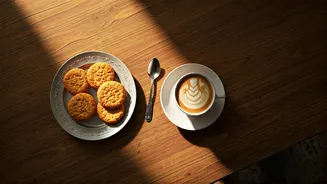
Mumbai and Pune. These enterprising immigrants started with humble eateries, often serving just tea and biscuits, which gradually evolved into the cafes that Punekars cherish today. They became more than just places to eat; they were community hubs where people from all walks of life could gather for conversation and camaraderie over simple, satisfying food.
The Icons: Goodluck and Vohuman
No discussion of Pune's Irani cafes is complete without mentioning Café Goodluck and Vohuman Cafe. Established in 1935 by Hussain Ali Yakshi, Café Goodluck is one of the city's oldest Irani establishments. Located on the bustling Fergusson College Road, it has been a hotspot for students and families for generations, beloved for its consistent quality and nostalgic charm. Vohuman Cafe, started by Hormuz Irani on August 15, 1978, is another legendary institution. It's famous for its fluffy cheese omelettes and the warm, personal touch of its founder, which has been carried on by the next generation. Though it has moved to a new, larger location, regulars feel it retains the vibe of the original.
The Irresistible Trinity: Bun Maska, Chai, and Omelettes
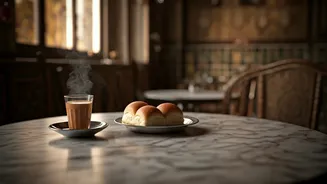
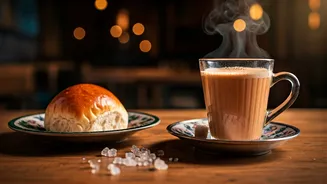
The menu at a classic Irani cafe is a masterclass in delicious simplicity. The undisputed star is the combination of bun maska and Irani chai. The soft, sweet bun, generously layered with butter (maska), is often dunked into the sweet, milky tea that simmers for hours. Eggs are another cornerstone, prepared in various forms: fried, scrambled (bhurji), or as a signature cheese-filled omelette. Beyond breakfast, many cafes also serve heartier Parsi dishes like Keema Pav (minced meat with bread), Sali Boti, and Dhansak, blending Persian flavours with Gujarati spices.
More Than Just a Meal
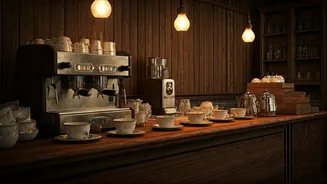
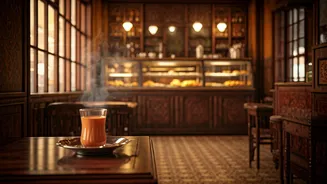
The defining characteristic of these cafes isn't just the food, but the atmosphere. With their high ceilings, bentwood chairs, checkered tablecloths, and large glass jars of cookies on the counter, they offer a tangible connection to the past. They were conceived as spaces for socialising—places for 'adda' or long, leisurely chats. The owners themselves are often a huge part of the appeal, greeting regulars and sharing stories, making visitors feel like part of a larger family. This sense of community is a key part of their enduring legacy.
Preserving a Legacy in the Modern Age
Today, these heritage cafes face challenges. The number of traditional Irani cafes has dwindled across India as newer generations choose different paths and competition from modern coffee chains grows. Yet, Pune's icons endure. Some, like Vohuman Cafe, have adapted by moving to larger premises and using tablets for orders while keeping the menu classic. Others, like Café Goodluck, have intentionally kept their menu and decor almost unchanged for decades, finding that customers crave the consistency and nostalgia. This balancing act—honouring tradition while navigating the present—is how they keep their unique cultural heritage deliciously alive for a new generation.