





Prioritise Excellent Drainage
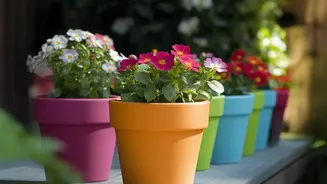
The single most important defence against overwatering is proper drainage. Before the heavy rains begin, inspect every pot. Ensure their drainage holes are clear of debris, soil, or old roots. If a pot has no holes, it’s not suitable for outdoor monsoon
use unless you can drill some yourself. Stagnant water is the primary cause of root rot, a condition where roots are deprived of oxygen and begin to decay. A simple but highly effective trick is to elevate your pots. Placing them on plant stands, bricks, or even simple 'pot feet' creates a small gap between the container and the floor, allowing excess water to escape freely and preventing them from sitting in puddles. Also, make it a habit to empty any water that collects in the saucers or trays beneath your plants.
Choose the Right Soil Mix
The soil inside your pots plays a huge role in water management. Heavy, dense garden soil is unsuitable for containers as it compacts easily and retains too much moisture, especially during the monsoon. Instead, opt for a light, well-draining potting mix. A good combination often includes equal parts garden soil, coco peat (or perlite), and compost. This blend holds enough moisture for the plant without becoming waterlogged. You can find pre-made potting mixes designed for container gardening, which are often lightweight and formulated for superior drainage. If your plants are already potted in dense soil, consider repotting them before the monsoon peaks. This is also a good time to gently loosen the top layer of soil in existing pots to improve aeration and water flow.
Adjust Your Watering Schedule
During the monsoon, you must abandon your regular summer watering routine. The combination of rainfall and high humidity means the soil will stay moist for much longer. Overwatering is a common mistake gardeners make by not adjusting to the season. Before you even think about watering, check the soil. The 'finger test' is the most reliable method: insert your finger about an inch or two into the soil. If it feels dry, you can water it. If it feels moist, wait another day or two. Plants placed directly in the rain may not need any additional watering for days. Those in sheltered parts of the balcony will still need monitoring, but far less frequently than in dry weather.
Strategically Position Your Plants
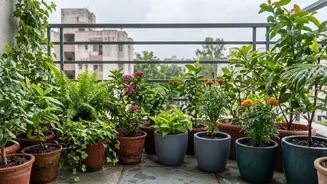
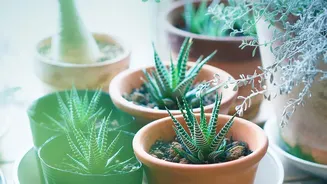
Not all plants enjoy a heavy downpour. Cacti, succulents, and other species that prefer dry conditions can rot quickly if left exposed to constant rain. Move these sensitive plants to a covered part of your balcony where they are shielded from the worst of the weather. For other plants, consider rotating them every few days to ensure all sides get adequate light and air, which helps prevent fungal growth. Good air circulation is crucial during the humid monsoon months. Avoid overcrowding your pots; giving them space allows air to move freely, drying foliage faster and reducing the risk of diseases like powdery mildew.
Watch for the Telltale Signs
Your plants will tell you when they are getting too much water. Learning to read the signs is key to intervening early. Yellowing leaves, especially lower ones that feel soft and limp, are a classic symptom of overwatering. Other signs include wilting despite the soil being wet, mushy stems, and a foul or rotten smell coming from the soil. You might also see mould or fungus growing on the soil's surface, or notice an increase in small flying pests like fungus gnats, which are attracted to constantly damp conditions. If you see these signs, it's time to take immediate action.
How to Save an Overwatered Plant
If you suspect a plant is already waterlogged, act fast. First, stop watering it immediately. If possible, gently remove the plant from its pot to inspect the roots. Healthy roots are firm and whitish, while rotten roots will be brown, black, and mushy. Using clean scissors, carefully trim away any rotted portions. Repot the plant in fresh, dry, well-draining soil. If the root ball is just soggy but not rotten, you can try letting it dry out on a layer of newspaper for a few hours before placing it back in a pot with fresh soil. Move the plant to a spot with good air circulation and indirect light to help it recover without the stress of direct sun.