




Defining the Target
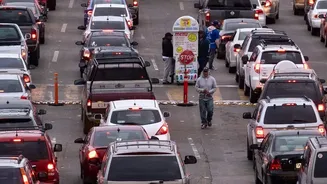
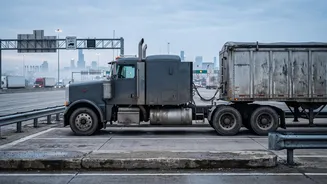
The term 'non-standard commercial traffic' primarily refers to vehicles that do not comply with the latest emission norms. Specifically, authorities are targeting trucks, buses, and light commercial vehicles that are not certified as Bharat Stage VI (BS-VI).
From November 1, 2026, a strict ban will be enforced on the entry of all commercial goods vehicles registered outside Delhi that are BS-IV or older. This rule covers a wide range of vehicles, from light goods carriers to heavy-duty trucks and even buses operating under All India Tourist Permits. The only exceptions are for vehicles running on cleaner fuels like CNG and electricity, or those that are BS-VI compliant.
The GRAP Framework
These enforcement actions are a crucial part of the Graded Response Action Plan (GRAP), a set of emergency measures that kick in as air quality deteriorates. The Commission for Air Quality Management (CAQM) has revised GRAP for 2026 to be more proactive. For instance, under Stage I (AQI 201-300), inter-state buses from neighbouring states that are not EV, CNG, or BS-VI are barred. As the air quality worsens to Stage III (AQI 401-450), the rules tighten further, banning BS-IV and older diesel light commercial vehicles registered outside Delhi from entering the city. At Stage IV (AQI above 450), a near-total ban on truck traffic into Delhi is imposed, with exemptions only for those carrying essential goods or running on approved clean fuels.
A Mandate Beyond GRAP
It is important to understand that the major ban starting November 1 is a separate, scheduled mandate by the CAQM, distinct from the reactive GRAP stages. It concludes a transition period that had previously allowed certain BS-IV commercial vehicles to operate. This means that even if the air quality is moderate and GRAP stages are not high, these older, non-compliant vehicles from outside Delhi will be denied entry as a default measure throughout the winter. The Gurugram Traffic Police has already issued advisories urging transporters to verify their vehicle's emission standards before heading towards the capital, warning of fines and legal action for non-compliance.
Enforcement on the Ground
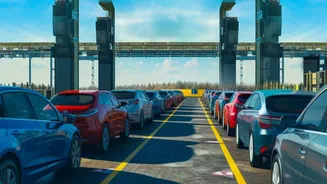
Enforcement is no longer just about manual checks at border points. Authorities are increasingly relying on technology to create a digital net. This includes using RFID tags for automated toll collection, which can also flag non-compliant vehicles. Automatic Number Plate Recognition (ANPR) cameras are also deployed to identify and penalize vehicles based on their registration and emission status. Furthermore, the 'No PUC, No Fuel' rule is being strictly enforced, where vehicles without a valid Pollution Under Control (PUC) certificate are denied fuel at pumps across Delhi, indirectly grounding non-compliant local and commercial vehicles.
The Economic Impact
While these measures are designed to protect public health, they have a significant impact on commerce and logistics. The transport sector, a backbone of the region's economy, faces major operational challenges. Businesses have to plan their supply chains meticulously, ensuring they use only compliant vehicles for Delhi-bound consignments. This can lead to increased costs and potential delays. For smaller operators who cannot afford to upgrade their fleets to BS-VI standards, it effectively cuts off access to the lucrative Delhi-NCR market during the critical winter months. Even individuals shifting homes are affected, as they must now ensure the packer and mover uses a compliant truck to avoid being turned back at the border.