






Understanding the Territorial Mindset
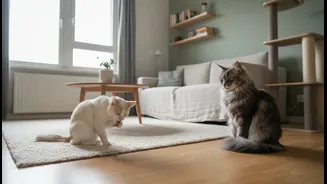
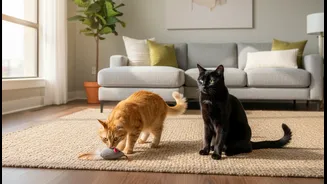
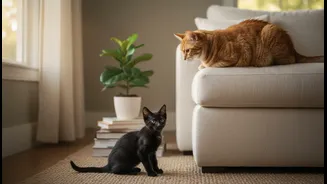
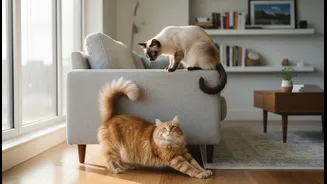
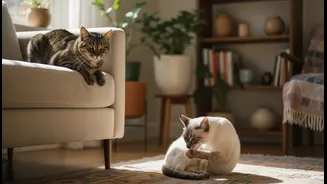
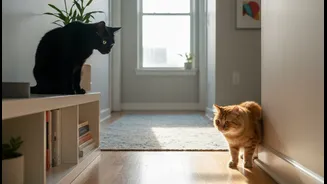
Cats are creatures of habit and territory. To your resident cat, your home is their established domain, complete with familiar scents, safe spaces, and predictable routines. A new cat is not seen as a potential friend but as an intruder and a competitor
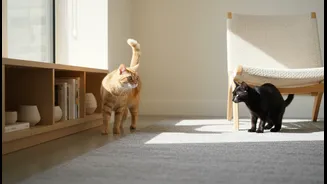
for resources like food, resting spots, and your attention. This instinct is deeply ingrained from their ancestors, who had to defend their territory to survive. A sudden arrival disrupts this stability, triggering fear and anxiety. The resident cat may display this stress through hissing, growling, hiding, or even marking territory by urinating outside the litter box.
The Danger of a Bad First Impression
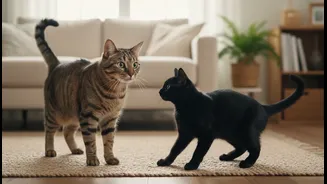
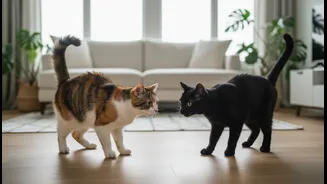
Forcing cats to 'work it out' is a recipe for disaster. A face-to-face confrontation without any preparation can lead to fighting, which can cause physical injury and create a foundation of fear and animosity that may be impossible to reverse. The negative experience becomes a lasting memory, making future peaceful coexistence difficult. This initial high-stress encounter can lead to chronic anxiety for both cats, manifesting as aggression, hiding, over-grooming, or a loss of appetite. A slow introduction prevents this initial shock, allowing each cat to process the change at a manageable pace.
The Power of Scent and Separation
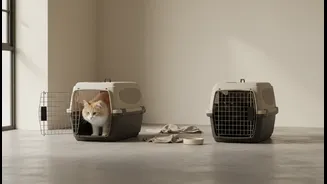
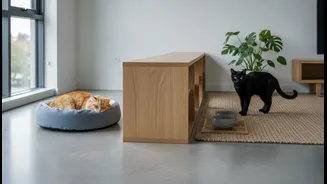
The cornerstone of a successful introduction is respecting a cat's primary mode of communication: scent. A systematic approach begins with strict separation. The new cat should have its own secure room with food, water, a litter box, and toys. This allows the newcomer to decompress and adjust to the new environment without feeling threatened. During this time, you can begin 'scent swapping.' Rub a cloth on each cat and leave it in the other's space to investigate. You can also swap their bedding or toys. This non-confrontational method allows them to become familiar with each other's existence through smell, reducing the 'stranger danger' effect when they eventually meet.
A Step-by-Step Path to Peace
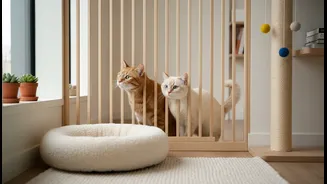
After a few days of scent swapping with no signs of extreme stress, you can move on to the next steps. The entire process can take days, weeks, or even months, so patience is crucial. First, feed the cats on opposite sides of the closed door to the new cat's room, creating a positive association with each other's scent. Next, allow brief visual contact through a baby gate or a slightly cracked door. Keep these sessions short and positive, ending them with a treat or playtime. The goal is for the cats to see each other without reacting aggressively. Gradually increase the duration of these visual meetings. The final step is short, supervised interactions in a neutral space, always ending on a good note before either cat becomes agitated.
Reading the Signs and Maintaining Harmony
Throughout the process, pay close attention to both cats' body language. Positive signs include relaxed postures, slow blinks, and curiosity. Negative signs like flattened ears, a twitching tail, growling, or hissing mean you need to take a step back. Don't punish these behaviours; they are simply communications of stress. Instead, calmly create more distance and slow the process down. By managing their environment and allowing them to get acquainted on their own terms, you are systematically desensitising them to each other's presence. This methodical approach replaces fear and anxiety with familiarity and positive association, paving the way for a peaceful multi-cat household.