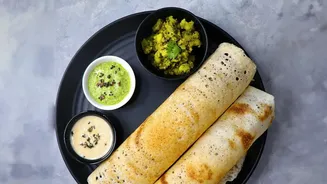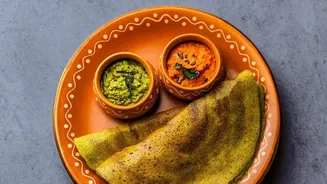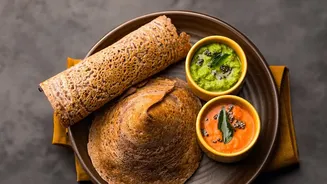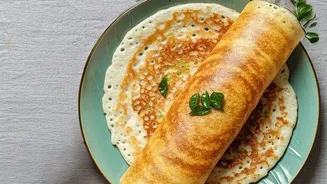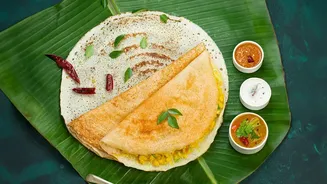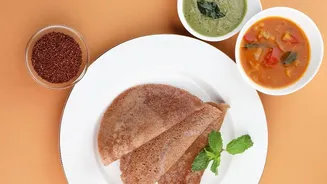

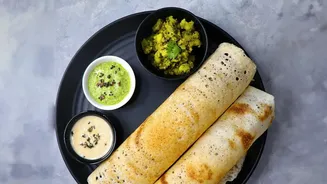
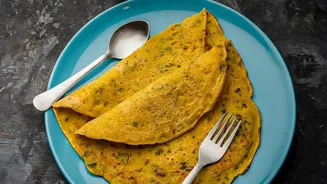
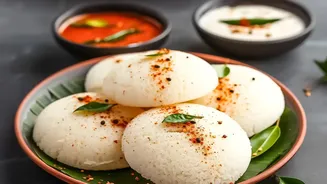
The South Indian dosa is a breakfast icon, loved for its crisp texture and comforting flavour. But a new contender is winning hearts: the oats dosa, a modern, health-conscious twist that promises great taste without the long wait.
What Exactly Is an Oats Dosa?
An oats dosa is a savoury
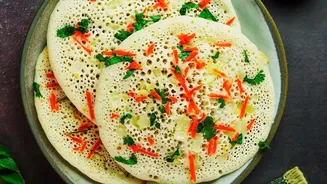
crepe made primarily from powdered oats, often mixed with other flours like rice flour and semolina (rava/sooji) to achieve that signature crispiness. Unlike its traditional counterpart, which requires a batter of fermented rice and lentils that must be planned a day in advance, most oats dosa recipes are instant. This means you can whip up the batter and have hot, lacy dosas on your plate in under 30 minutes, making it a game-changer for busy mornings. The batter is typically thin and watery, similar to a rava dosa, and is poured onto a hot griddle to create a delicate, net-like texture.
A Healthier Spin on a Classic
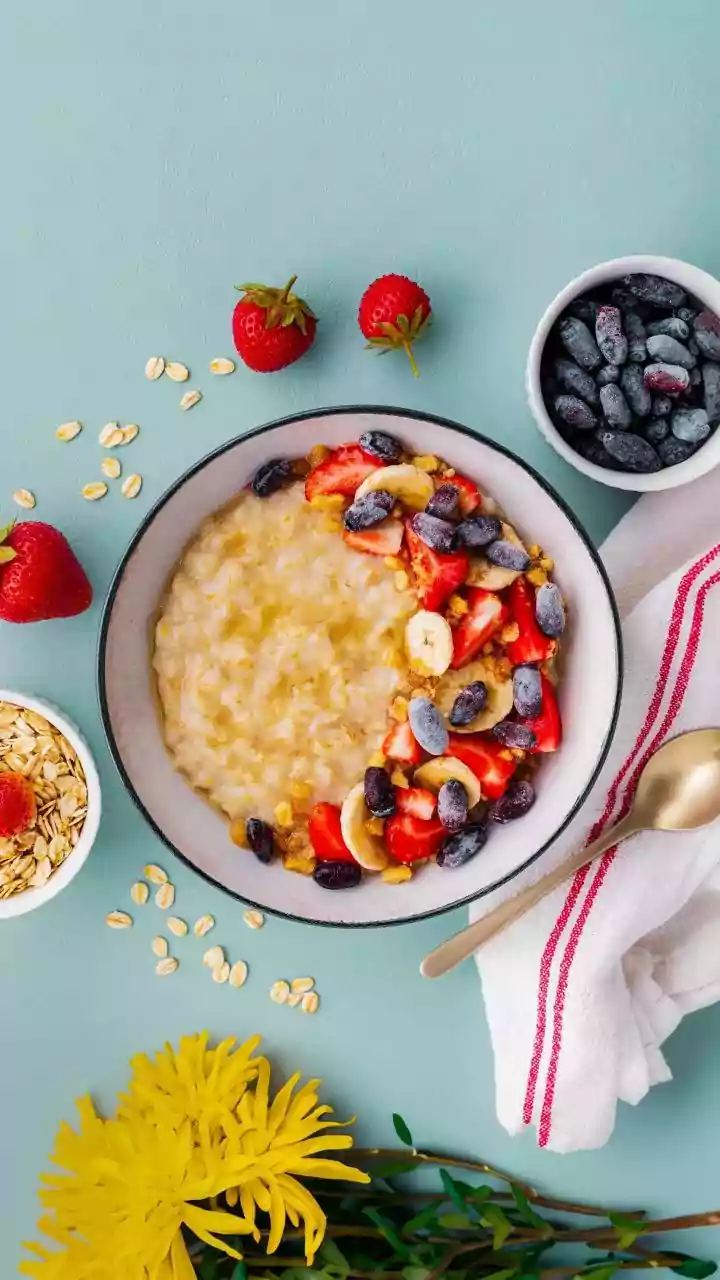
The main appeal of the oats dosa lies in its nutritional profile. Oats are a fantastic source of dietary fibre, particularly beta-glucan, which is known for keeping you feeling full for longer and can contribute to heart health. By replacing a large portion of the rice, the oats dosa offers more fibre and often has a lower glycemic index, making it a more suitable option for those managing blood sugar levels or looking for weight-loss-friendly meals. A single homemade oats dosa can contain around 110-130 calories and provides a good dose of protein and fibre, making it a balanced start to the day. The addition of ingredients like ginger, cumin, and curry leaves not only adds flavour but also aids in digestion.
Instant Gratification vs. Traditional Fermentation
One of the biggest advantages of the oats dosa is its speed. The traditional dosa-making process involves soaking rice and lentils, grinding them into a fine paste, and leaving the batter to ferment overnight. While this fermentation process adds a unique tangy flavour and makes the nutrients more bioavailable, it requires significant planning. The instant oats dosa bypasses this entirely. The batter is a simple mix of ground oats, flours, spices, and water or yogurt. The yogurt adds a slight tang that cleverly mimics the taste of fermentation. After a brief resting period of about 15-20 minutes for the flours to hydrate, the batter is ready to go.
Getting the Texture Just Right
The secret to a perfect, crispy oats dosa lies in the batter's consistency and the cooking technique. The batter should be thin and free flowing. To get the characteristic lacy texture, it's poured from a height onto a hot tawa, starting from the edges and working towards the centre, filling in any large gaps. It's important not to spread the batter with the ladle as you would with a traditional dosa. Cooking on a medium flame allows the dosa to become golden and crisp without burning. While a cast iron tawa is often recommended for the best results, a good non stick pan works well too.
Perfect Pairings and Variations
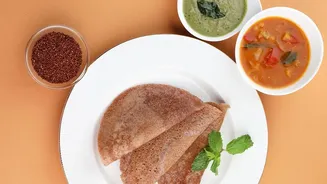
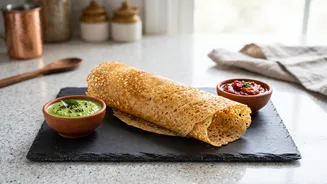
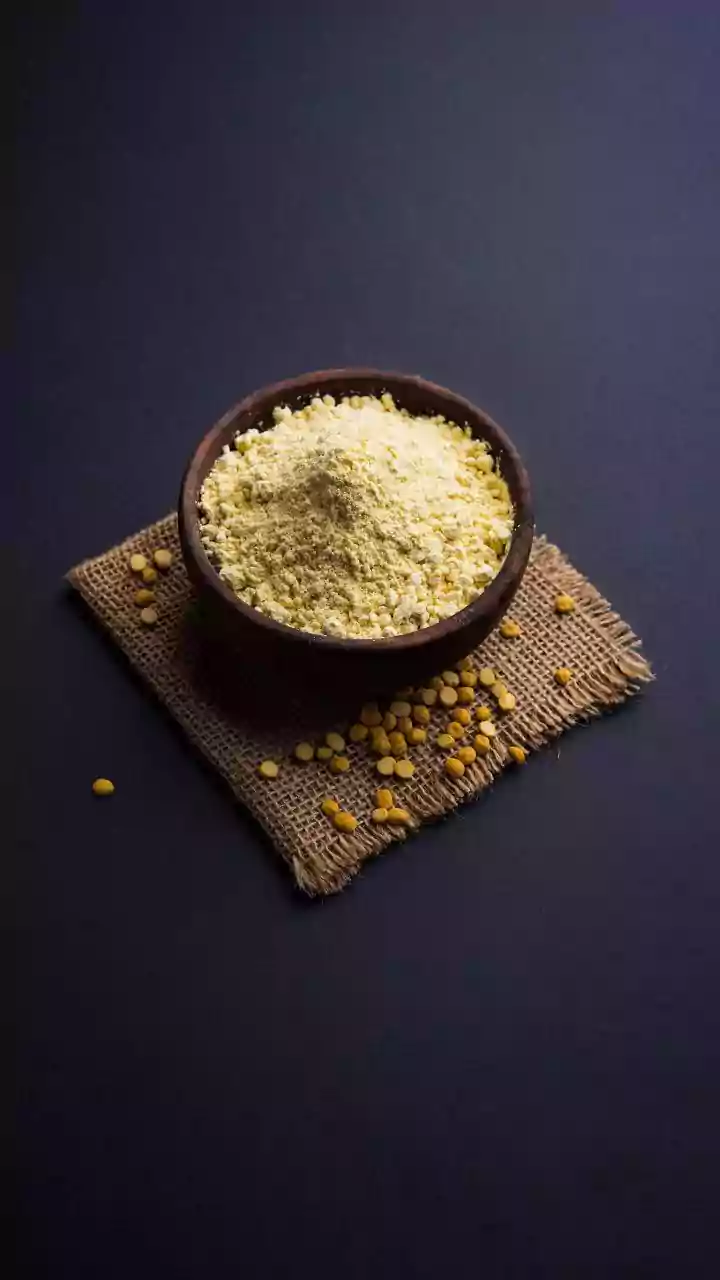
Oats dosa is incredibly versatile and pairs beautifully with all the classic South Indian accompaniments. Serve it hot with coconut chutney, tomato chutney, spicy podi (gunpowder), or a bowl of hearty sambar for a complete and satisfying meal. You can also customize the batter itself. Adding finely chopped onions, green chillies, coriander, and grated carrots enhances both the flavour and nutritional value. For a protein boost, some variations suggest replacing the rice flour with besan (gram flour) or adding a filling of crumbled paneer. Another popular twist is the ragi oats dosa, which incorporates finger millet flour for an earthier flavour and an extra dose of calcium.