








The Great Escape from Urban Life
A noticeable shift is underway in the travel preferences of Indians. The relentless pace of city life, marked by traffic, pollution, and digital overload, has created a deep-seated craving for tranquillity. Travellers are increasingly looking for more
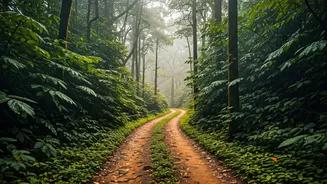
than just a vacation; they are seeking restoration. This has led them away from conventional tourist spots and towards the serene embrace of nature. Forests, with their promise of clean air, quiet surroundings, and scenic beauty, offer the perfect antidote to urban fatigue. This trend isn't just about finding a quiet corner; it's a conscious move towards experiences that rejuvenate both mind and body, reflecting a larger lifestyle change where wellness is a top priority.
Discovering 'Forest Bathing'
One of the key draws of forest tourism is the rise of wellness practices like 'Shinrin-yoku', or forest bathing. This Japanese concept has nothing to do with water; instead, it involves immersing yourself in the forest atmosphere and connecting with nature through all your senses. Scientific studies have shown that even a short, mindful walk among trees can reduce stress, lower blood pressure, and improve concentration and memory. The practice encourages you to slow down, breathe deeply, and observe the small details around you, from the texture of tree bark to the sounds of birdsong. It’s a simple yet profound way to disconnect from daily worries and reconnect with the natural world, offering scientifically-backed health benefits.
India's Popular Forest Havens
India, with its vast and diverse landscapes, offers a wealth of options for the aspiring forest traveller. In the north, Jim Corbett National Park in Uttarakhand, India's oldest national park, is a major draw for its tigers and dense Sal forests. Central India is home to Kanha and Bandhavgarh National Parks in Madhya Pradesh, famous for inspiring "The Jungle Book" and boasting high densities of Bengal tigers. Down south, the Periyar Wildlife Sanctuary in Kerala, nestled in the Western Ghats, offers serene boat safaris and elephant sightings. In the northeast, Kaziranga National Park in Assam is a UNESCO World Heritage site celebrated for its one-horned rhinoceros population. These destinations provide not just wildlife sightings but a complete immersion in pristine ecosystems.
The Rise of Ecotourism
The growing interest in forest travel is closely linked to the rise of ecotourism, a form of travel focused on conservation and community. The Indian ecotourism market is expanding rapidly, projected to become a significant industry in the coming years. This trend is driven by travellers who want their vacations to be meaningful and have a positive impact. Ecotourism supports conservation efforts by generating revenue from park fees and eco-friendly accommodations, which helps fund anti-poaching initiatives and habitat protection. Furthermore, it empowers local communities by creating jobs for guides, and artisans, ensuring that the economic benefits of tourism are shared. This creates a powerful incentive for locals to become guardians of their natural heritage.
Travelling with a Conscience
As more people venture into these fragile ecosystems, the need for responsible tourism has become paramount. The core principle is to leave no trace and minimise your impact on the environment. This means respecting wildlife by observing from a distance, not littering, and staying on designated trails. Many national parks and eco-lodges are championing sustainability by banning single-use plastics, using renewable energy, and managing waste effectively. For travellers, it means choosing operators who prioritise conservation, support local communities, and educate visitors on the importance of preserving these wild spaces. By travelling consciously, visitors can ensure that these green attractions remain pristine for generations to come.