
The Cloud-Like Loaf Explained
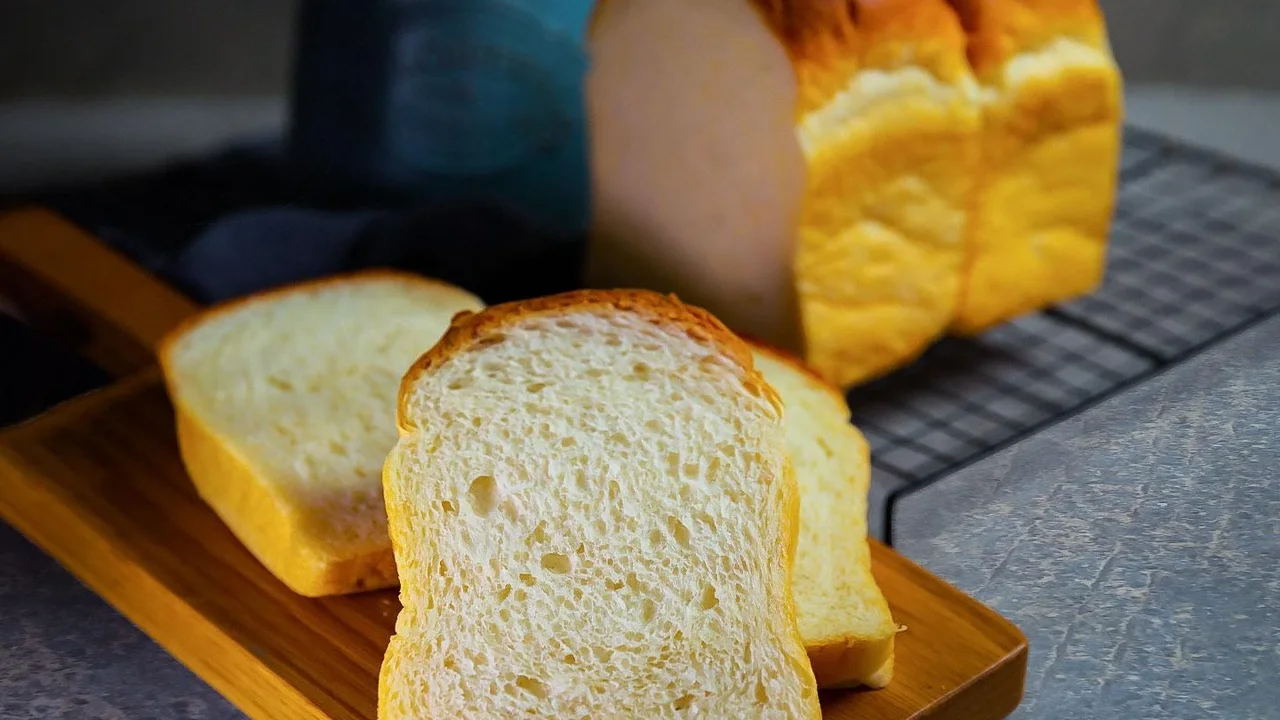
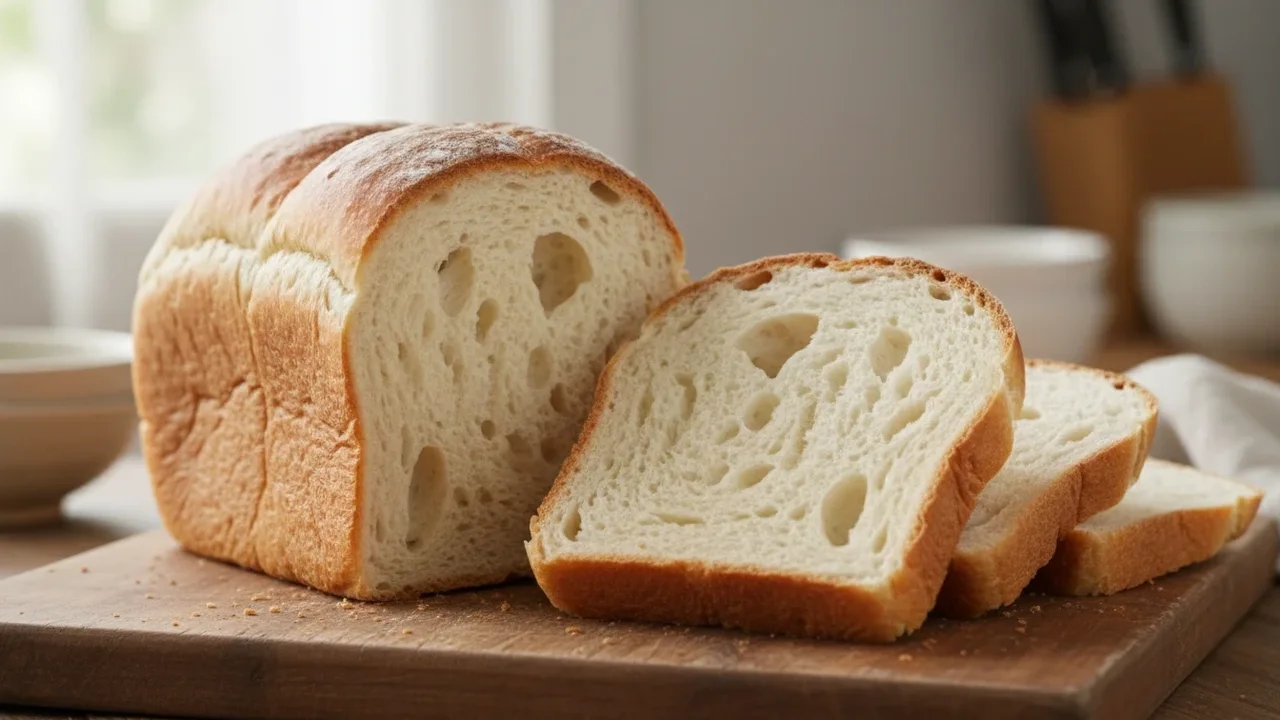
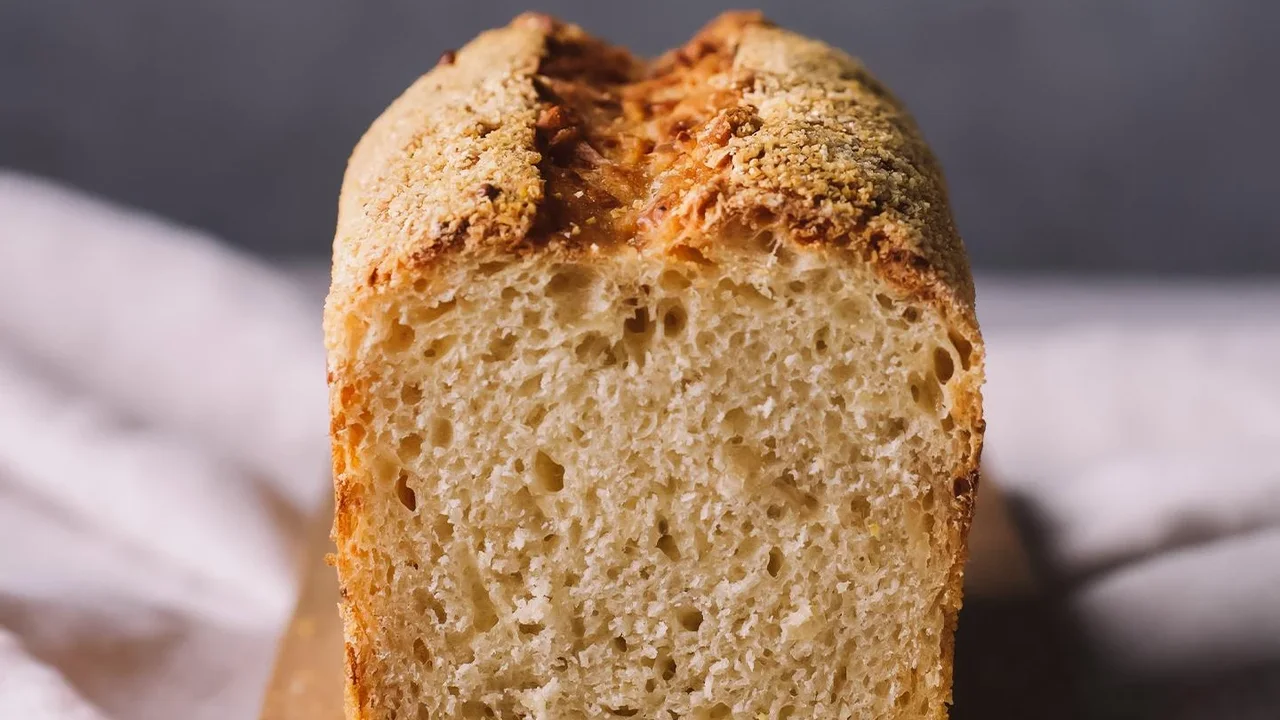
At first glance, shokupan might look like a simple white loaf. But one touch reveals its magic. The texture is famously soft, pillowy, and moist, with a slightly sweet, milky flavour that sets it apart. Known as ”food bread” in Japan—the name literally
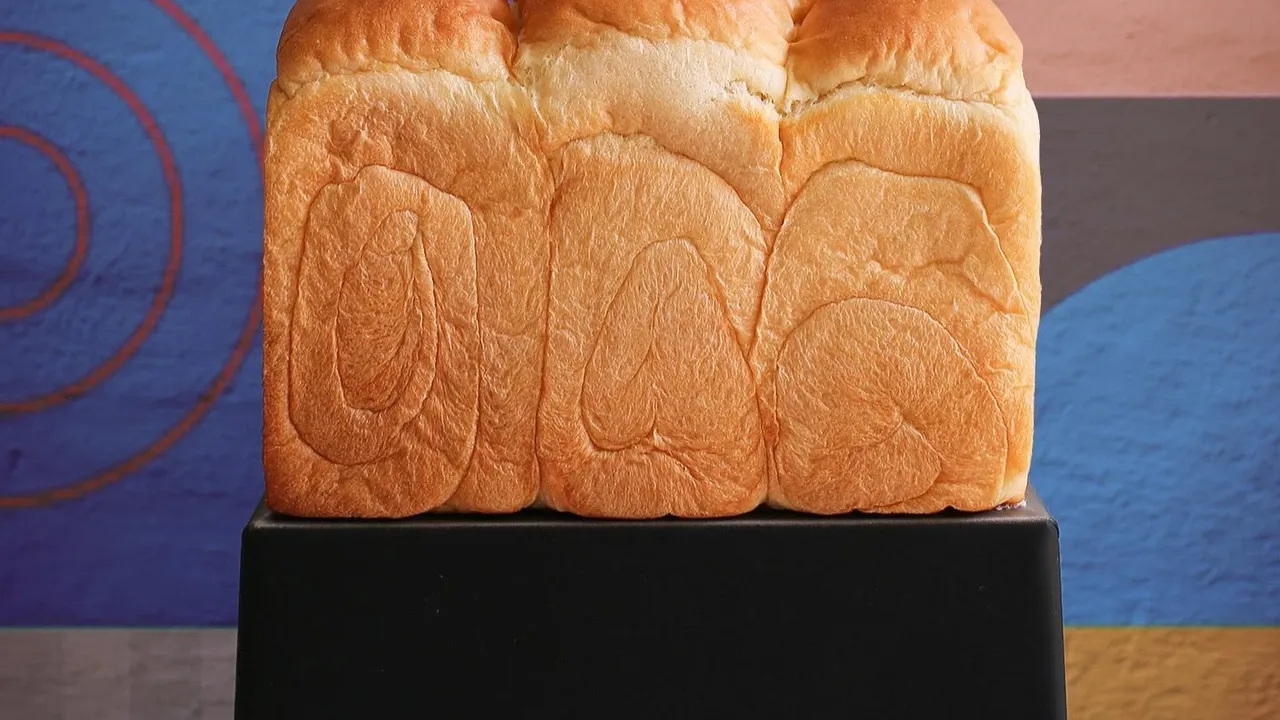
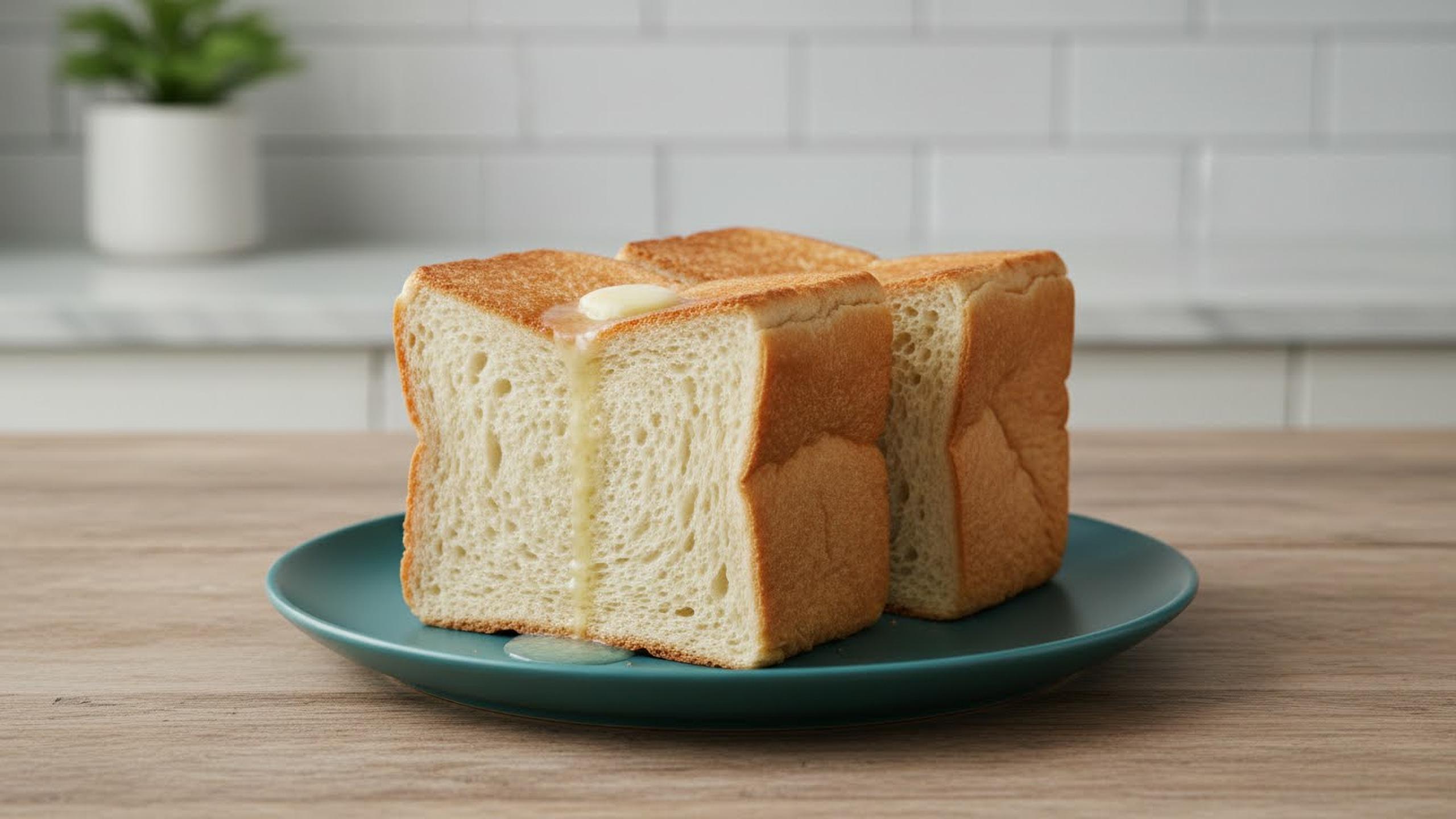
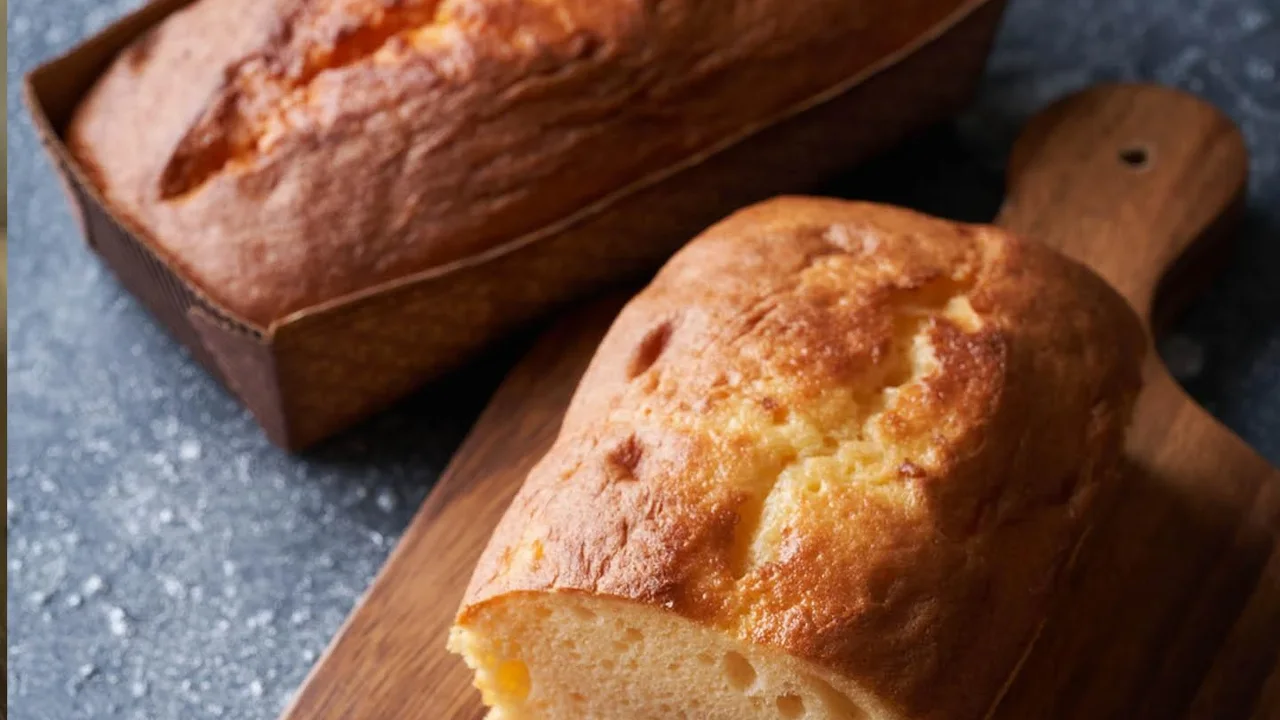
translates to ”shoku” (food) and ”pan” (bread)—it’s a beloved staple, often eaten as thick-cut toast for breakfast or as the base for iconic sandwiches. Unlike crusty, rustic sourdoughs, shokupan is prized for its delicate crumb and minimal crust, often baked in a special lidded Pullman loaf pan to achieve its signature flat-topped, perfectly rectangular shape. This bread isn’t just a food item; it’s a cultural icon that has evolved from a post-war necessity into a gourmet product.
The Secret in the Starter
The key to shokupan's signature texture lies in a special technique called the tangzhong or yudane method. This involves cooking a small portion of the recipe's flour with a liquid (like water or milk) to create a thick paste or roux before it's added to the main dough. This simple-sounding step has a profound effect. By pre-gelatinizing the starches in the flour, the dough is able to absorb and hold onto significantly more moisture. The result is a bread that is exceptionally soft and springy and stays fresh for longer than conventionally made loaves. This technical aspect offers a satisfying challenge for bakers, moving beyond simple no-knead recipes and into a more refined craft. For creators, mastering this method is a badge of honour.
A Blank Canvas for Creativity
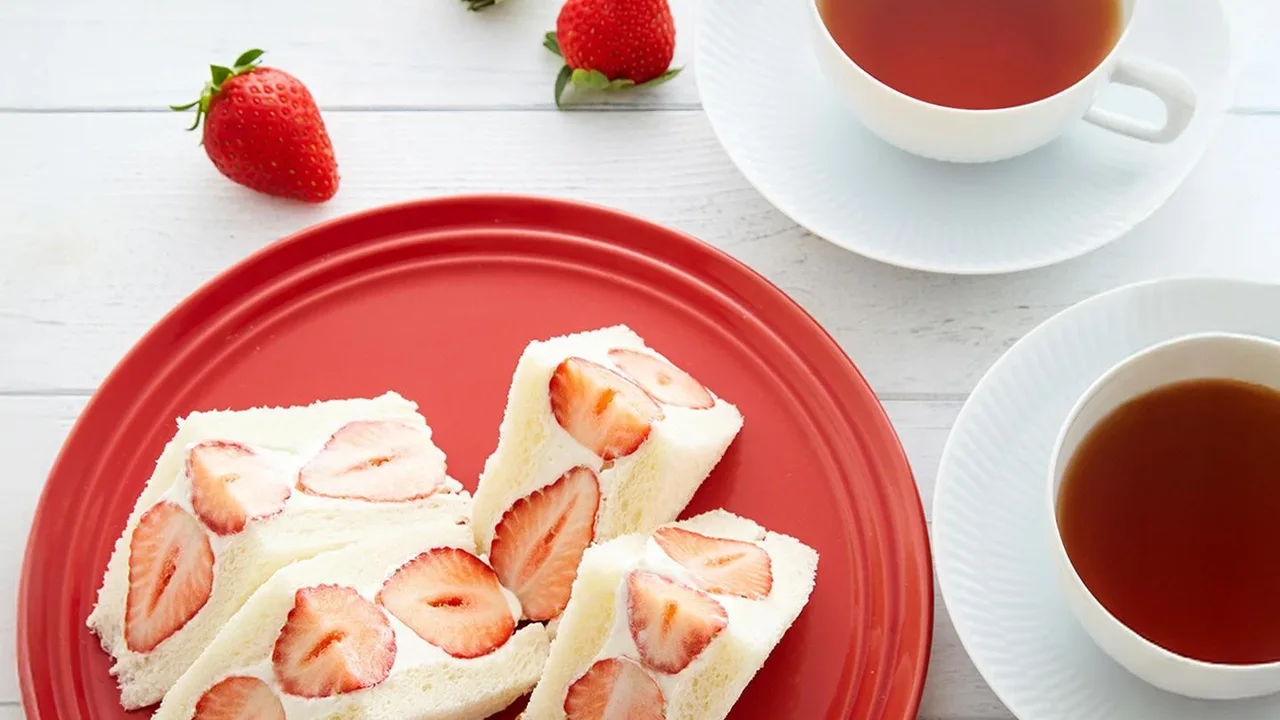
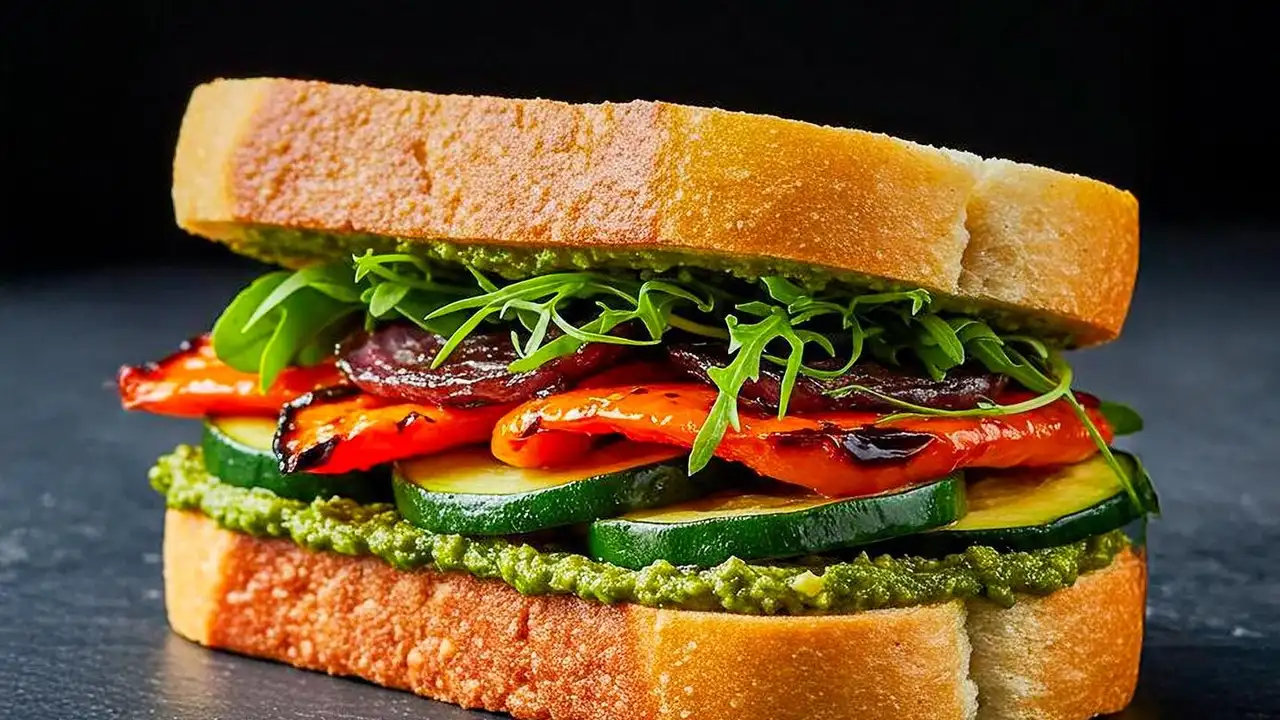
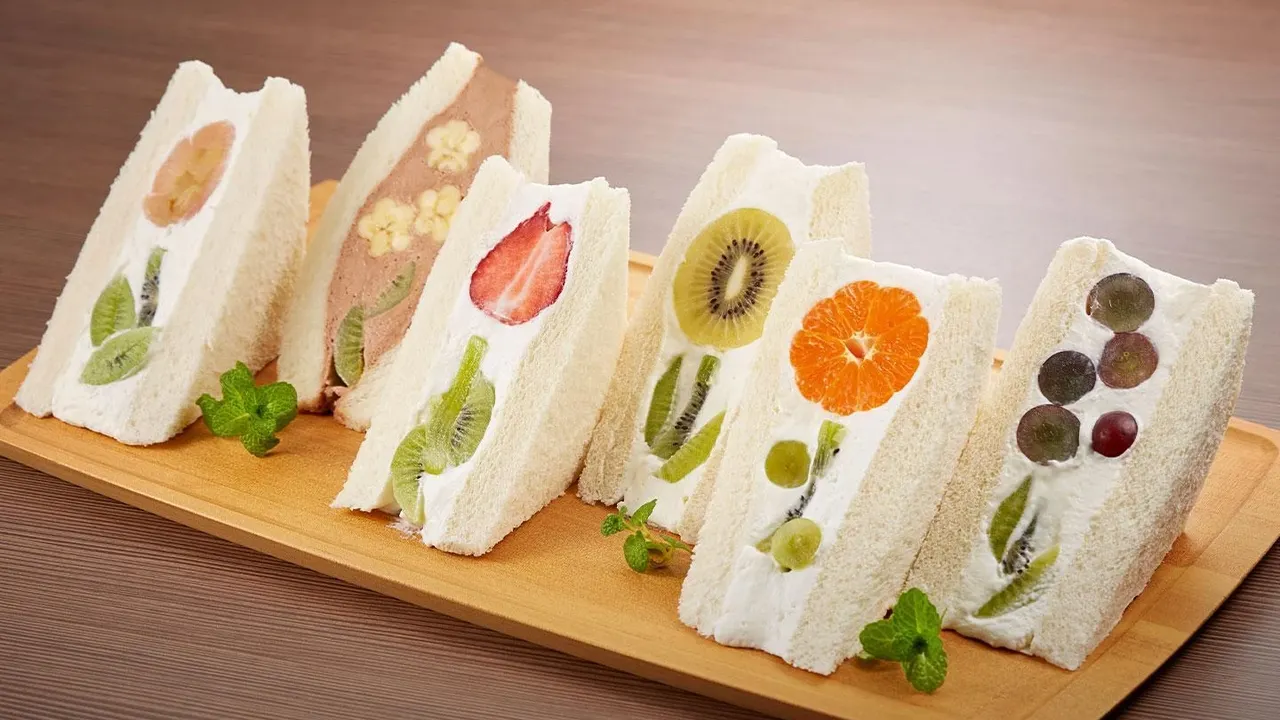
While delicious on its own, shokupan’s subtle sweetness and sturdy-yet-soft structure make it an incredibly versatile base for culinary experimentation. Its mild flavour profile doesn’t compete with other ingredients, allowing them to shine. This has made it the star of both sweet and savoury creations. It’s the foundation for the famous Japanese fruit sando, where its soft crumb cradles whipped cream and fresh fruit without becoming soggy. It creates a decadent French toast that is custardy on the inside while crisping perfectly on the outside. On the savoury side, it is the bread of choice for the iconic katsu sando, its pillowy slices providing the perfect contrast to a crunchy fried pork cutlet, and the classic tamago sando (egg salad). Its ability to absorb flavours without falling apart makes it superior for all kinds of elevated sandwiches.
An Instagram-Ready Aesthetic
In the visual world of social media, shokupan is a natural star. The clean, geometric lines of a Pullman loaf, the pristine white interior, and the satisfying texture when it’s pulled apart are all highly photogenic. Videos of bakers gently pressing into a freshly baked loaf to show off its impossibly soft, slow-rising crumb regularly go viral. Even a simple slice of shokupan toast becomes a work of art, with its thick-cut profile providing a canvas for perfectly arranged avocado, glistening butter and honey, or a beautifully fried egg. For creators looking to produce thumb-stopping content, shokupan’s unique visual appeal provides an undeniable advantage, driving its popularity online and inspiring countless others to try it.