

Often called the 'miracle tree', moringa has gained global fame as a nutrient-packed superfood. But before you add this green powder to your daily smoothie, it’s important to understand what it is, its real benefits, and how to use it safely.
What Exactly Is Moringa?
Moringa oleifera
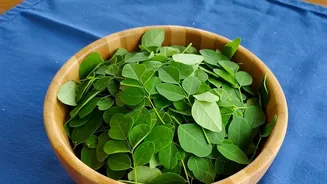
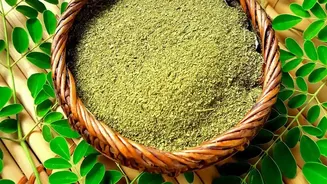
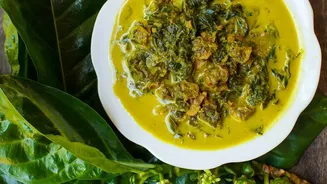
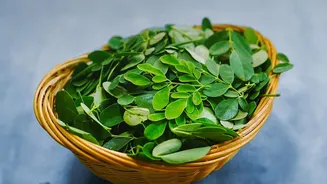
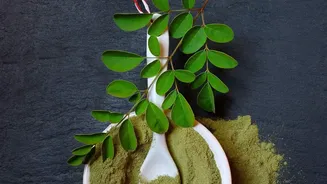
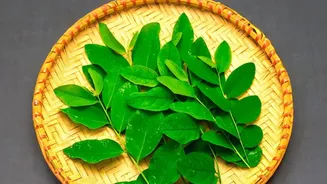
is a tree native to parts of Asia and Africa that has been used in traditional medicine for centuries. Its leaves, pods, and seeds are all edible, but it is the dried and ground leaf powder that has become a popular dietary supplement worldwide. The flavour is often described as earthy and spinachy, similar to matcha. Its popularity stems from a rich nutritional profile, containing a surprising amount of vitamins, minerals, and protein. While fresh leaves are common in the regions where it grows, the powder offers a convenient way to incorporate it into diets everywhere.
A Look at the Nutritional Benefits
Moringa leaves are a powerhouse of nutrition, though it's important to separate hype from fact. While some claims are based on 100-gram servings—far more than a typical daily dose—even a small amount offers a boost. The powder is particularly noted for its antioxidants, which help protect cells from damage. A single serving can provide a good source of Vitamin B6, Vitamin C, iron, and magnesium. Furthermore, moringa is a complete plant protein, meaning it contains all nine essential amino acids, which is rare for a plant source. This nutrient density is what underpins many of its potential health benefits, from supporting energy levels to reducing inflammation.
Potential Risks and Side Effects
While generally considered safe for most people, moringa is not without potential side effects, especially in high doses. The most common issues are digestive, such as an upset stomach, gas, or diarrhea. More importantly, moringa can interact with certain medications. It may lower blood sugar, so individuals on diabetes medication should monitor their levels closely to avoid hypoglycemia. It may also have an effect on blood pressure medications and thyroid medications like levothyroxine, potentially reducing its absorption. Anyone taking medication for their liver, blood pressure, or thyroid should consult their doctor before adding moringa to their routine. Pregnant individuals should also seek medical advice before use.
How to Choose and Store Moringa
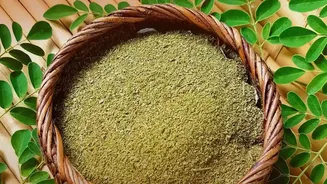
When buying moringa powder, quality matters. Look for products that are 100% pure moringa leaf, preferably organic, to avoid contaminants like heavy metals, which the plant can absorb from the soil. The powder should have a vibrant green colour and a fresh, grassy smell. A dull brown colour or musty odour indicates it may be old or of poor quality. Store your moringa powder in an airtight container in a cool, dark, and dry place, like a pantry. This helps preserve its nutrients and flavour, which can degrade with exposure to light, heat, and air.
A Simple Guide to Daily Use
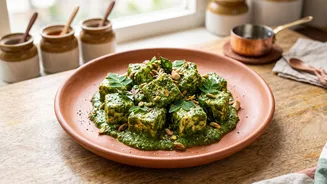
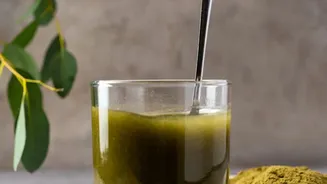
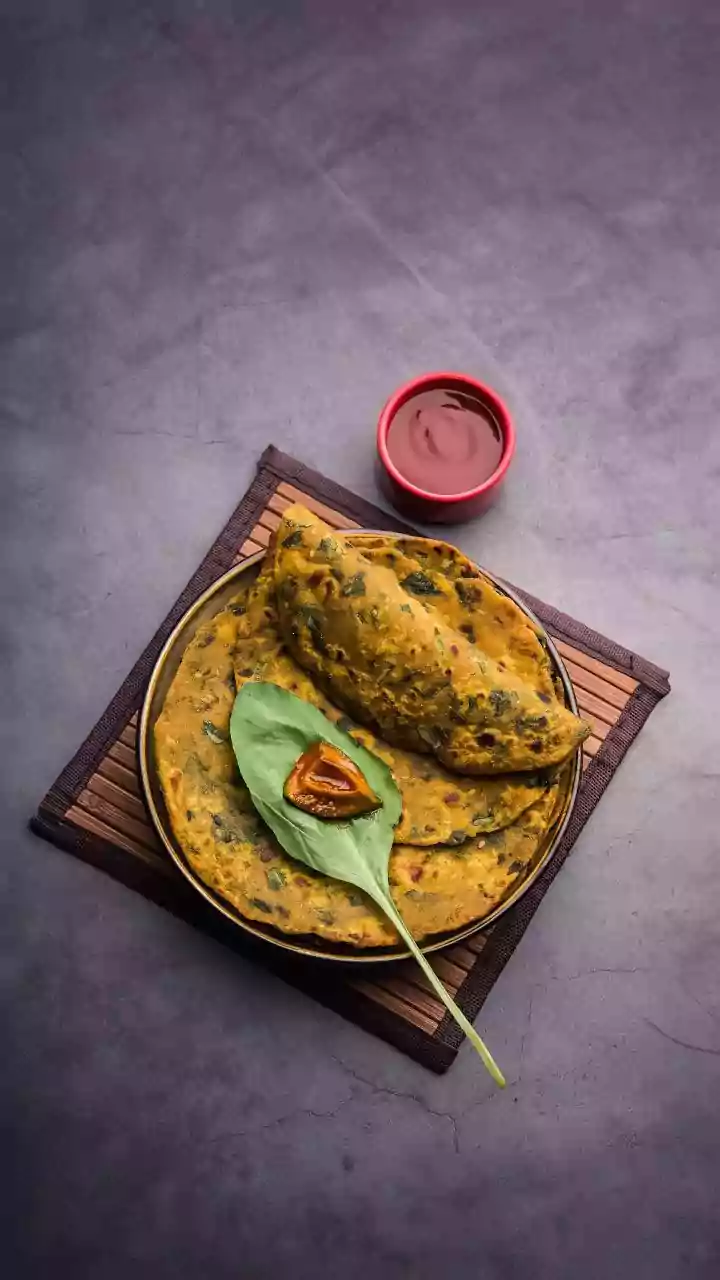
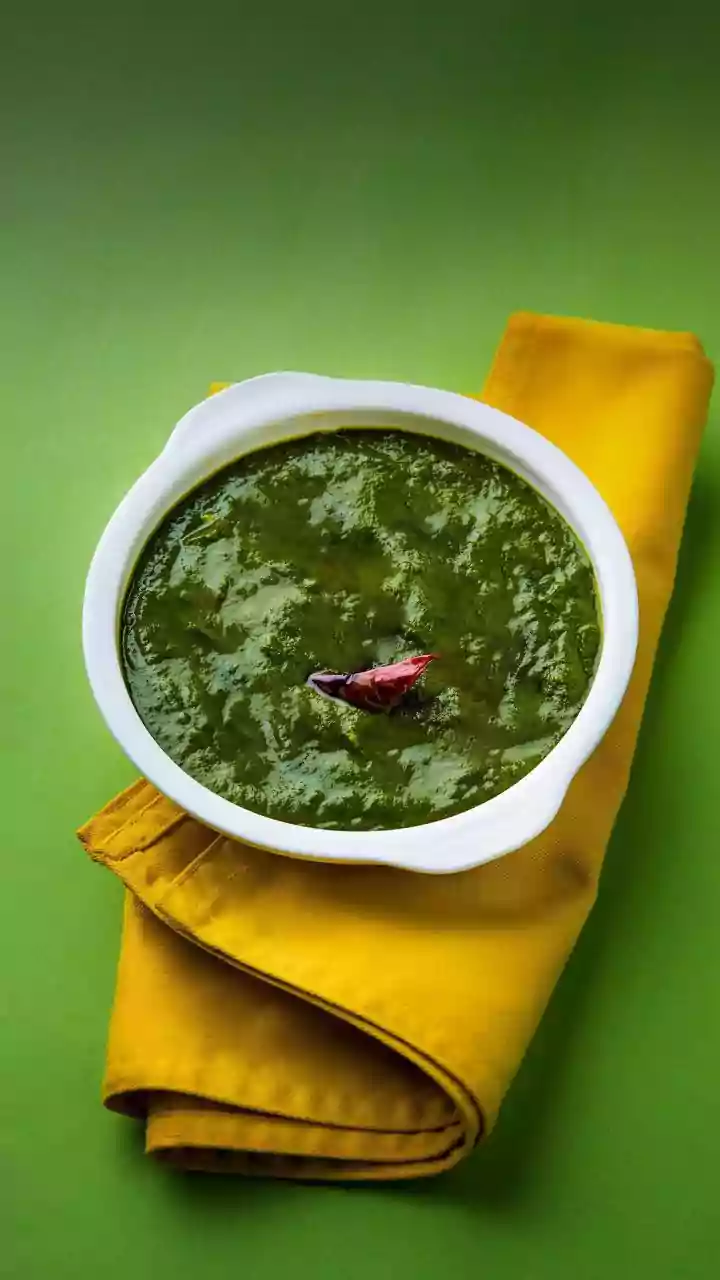
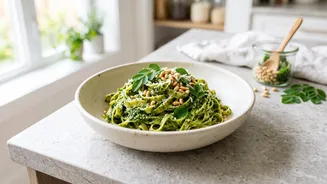
Incorporating moringa into your diet is simple. There is no official standardized dose, but a common starting point is about half a teaspoon (1/2 grams) of powder per day. You can gradually increase this, but listen to your body. The earthy taste can be strong, so it's best to mix it with other ingredients. Simple ways to use it include: blending it into smoothies with sweet fruits like banana or mango; whisking it into salad dressings, dips like guacamole or hummus; or stirring it into soups and stews toward the end of cooking. You can even bake with it, adding a teaspoon or two to muffin or pancake batter for a nutritional boost and a pleasant green hue.