



Mastering Your Masalas
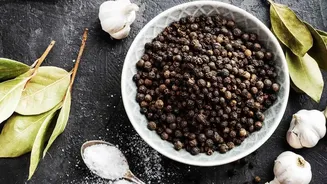
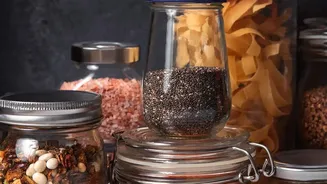
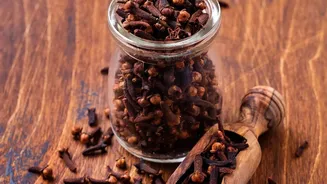
The soul of festive cooking lies in its aromatic spices. To protect their flavour and potency, storage is key. The biggest enemies are air, heat, light, and moisture. Always transfer spices from their original paper or thin plastic packaging into airtight
glass or steel containers. Plastic is less ideal as it can absorb and retain odours. Store these containers in a cool, dark cupboard, never above the stove where heat and steam can degrade their essential oils. Whole spices like cloves, cardamom, and cinnamon sticks will retain their flavour far longer than ground ones. Consider grinding small batches as needed. And always use a completely dry spoon to scoop them out, as even a drop of moisture can cause clumping and spoilage.
Keeping Greens and Herbs Fresh
Fresh coriander, mint, and curry leaves are essential garnishes and flavourings, but they wilt quickly. To extend their life, avoid washing them until you are ready to use them. Upon bringing them home, untie the bunch and discard any yellowed or rotten leaves. One effective method is to wrap the unwashed herbs loosely in a paper towel to absorb excess moisture, then place them in a zip-lock bag or airtight container in the refrigerator. For even longer storage, you can trim the stems and place the bunch in a jar with a little water, like a bouquet of flowers, covering the leaves loosely with a plastic bag. This can keep them fresh for up to two weeks.
The Ghee and Oil Guide
Ghee is a prized festive staple, and thankfully, it's quite shelf-stable due to the removal of milk solids and water. The golden rule for ghee is to keep it free from moisture. Always use a clean, dry spoon. Store it in an airtight container, preferably glass, in a cool, dark cupboard away from direct sunlight or the stove. Refrigeration is generally not necessary unless you live in a very hot and humid climate. For cooking oils, an opened container will maintain good quality for about one to three months at room temperature before the risk of rancidity increases due to oxygen exposure. For longer-term storage of special oils, the refrigerator is a good option.
Nuts and Dry Fruits
From kheer to barfi, nuts and dry fruits are indispensable. Their high oil content, however, makes them prone to going rancid if not stored correctly. The best practice is to store them in airtight containers in a cool, dark place. For those living in hot and humid climates, the refrigerator is the best place to keep them. For even longer preservation, especially if you buy in bulk, the freezer is your best friend. Nuts and dried fruits can last for up to a year in the freezer without a significant loss of quality. A good tip for bulk buyers is to divide the contents into smaller portions, keeping one for immediate use and freezing the rest.
Flours, Grains, and Semolina
Pantry pests like weevils can be a major nuisance, especially during humid weather. To protect your atta, maida, and sooji (semolina), transfer them from paper bags to clean, dry, airtight steel or hard plastic containers. As a preventative measure, you can freeze a new packet of flour for 48 hours to kill any potential eggs or larvae before moving it to your pantry container. Traditional, natural repellents also work wonders. Placing a few bay leaves, whole cloves, or a cinnamon stick in the container can deter pests effectively. For semolina, lightly roasting it before storing can also extend its shelf life and prevent infestations.