

The Rise of Mindful Minimalism
For generations, festive decor in India has been synonymous with abundance—more lights, more colour, more everything. While that chaos holds a certain nostalgic charm, many homeowners are now scripting a different story. The emerging trend leans towards
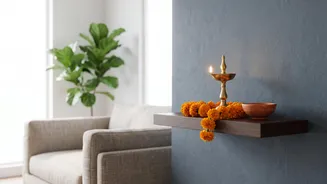
creating visual 'breathing space', an approach that values quality over quantity. This isn't about celebrating with less; it’s about shifting the focus from overwhelming ornamentation to creating a serene, personal, and spiritually resonant atmosphere. Instead of filling every available surface, the new aesthetic champions a few statement pieces that are allowed to shine, proving that festive decor can be both grand and gracefully simple.
Why Less Is Becoming More
Several factors are driving this aesthetic shift. First, the reality of modern urban living often means smaller apartments and compact spaces where maximalist decor can feel cluttered rather than celebratory. Secondly, there's a growing consciousness around sustainability. Homeowners are increasingly rejecting single-use plastics and disposable decorations in favour of eco-friendly and timeless materials like terracotta, brass, wood, and handcrafted textiles that can be cherished for years. Finally, global design philosophies that celebrate clean lines and uncluttered spaces have been adapted into a distinctly 'Indian minimalist' style—one that is warm, soulful, and rooted in tradition rather than cold or stark. It's a response to the desire for a more peaceful celebration, free from the pressure of elaborate decorating.
Creating a Powerful Focal Point
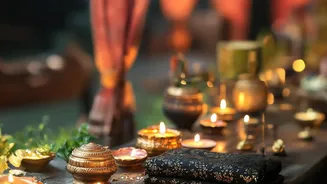
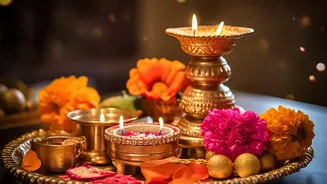
The key to achieving this look is to resist the urge to decorate every corner and instead create one or two stunning focal points. This could be your pooja mandir, which can be transformed into the spiritual heart of your home's decor. Decorate a single chowki (raised seat) with a beautiful idol, a single brass lamp, a few fresh flowers, and a thoughtfully arranged thali. This restrained arrangement commands more attention than a dozen scattered items. Another idea is to use a large urli bowl on a centre table, filled with water, floating candles, and fresh flower petals. It’s a simple, elegant statement that captures the festive spirit without overwhelming the senses.
The Elements of a Curated Look
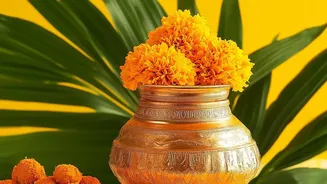
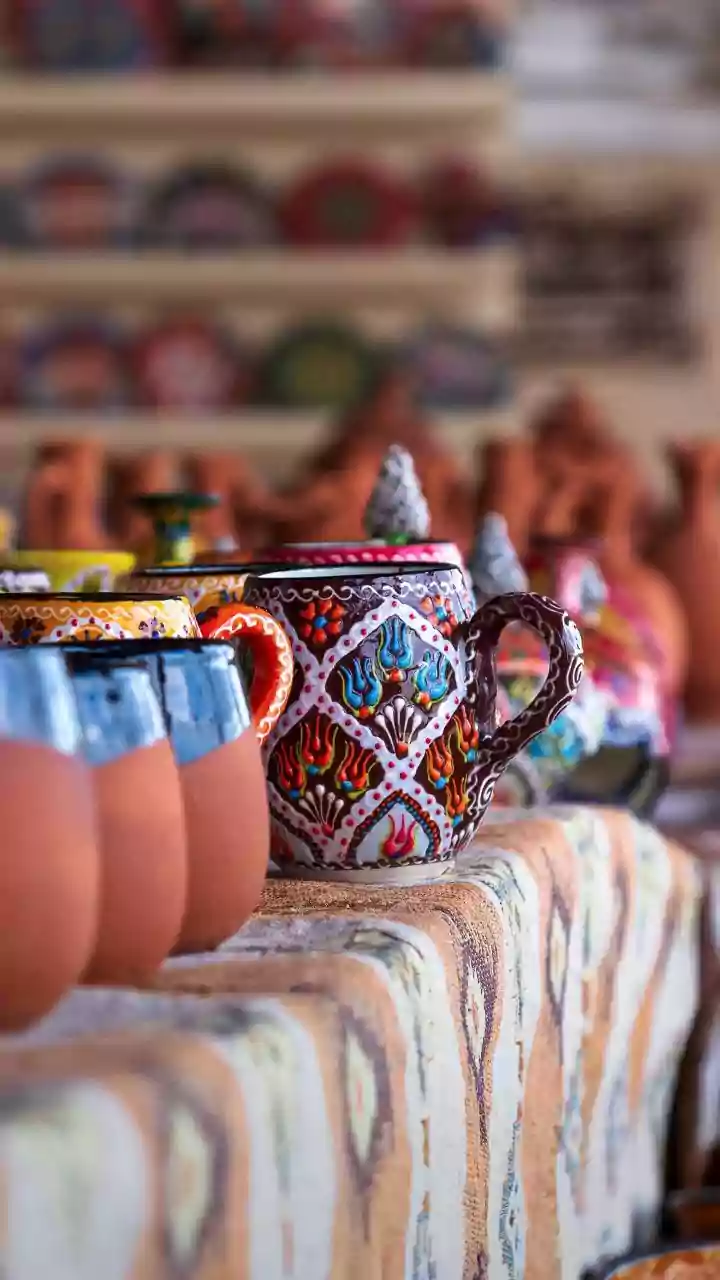
To embrace this trend, focus on a few key elements. Prioritise natural and handmade materials that add texture and warmth. Think hand-painted clay diyas, embroidered torans for doorways, folk art wall hangings, and handwoven runners. Swap out artificial flower arrangements for fresh, seasonal blooms like marigolds and jasmine, which add both colour and fragrance. For textiles, instead of using every colour at once, choose a cohesive palette. You can use a neutral base of whites and earthy tones, then layer in one or two vibrant colours—like the auspicious red or yellow—through cushion covers, drapes, or a backdrop cloth for your mandir. This creates a look that feels intentional and harmonious.
The Magic of Warm Lighting
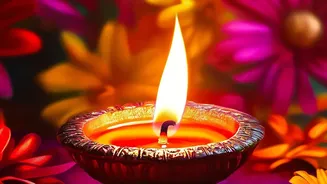
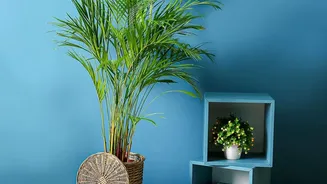
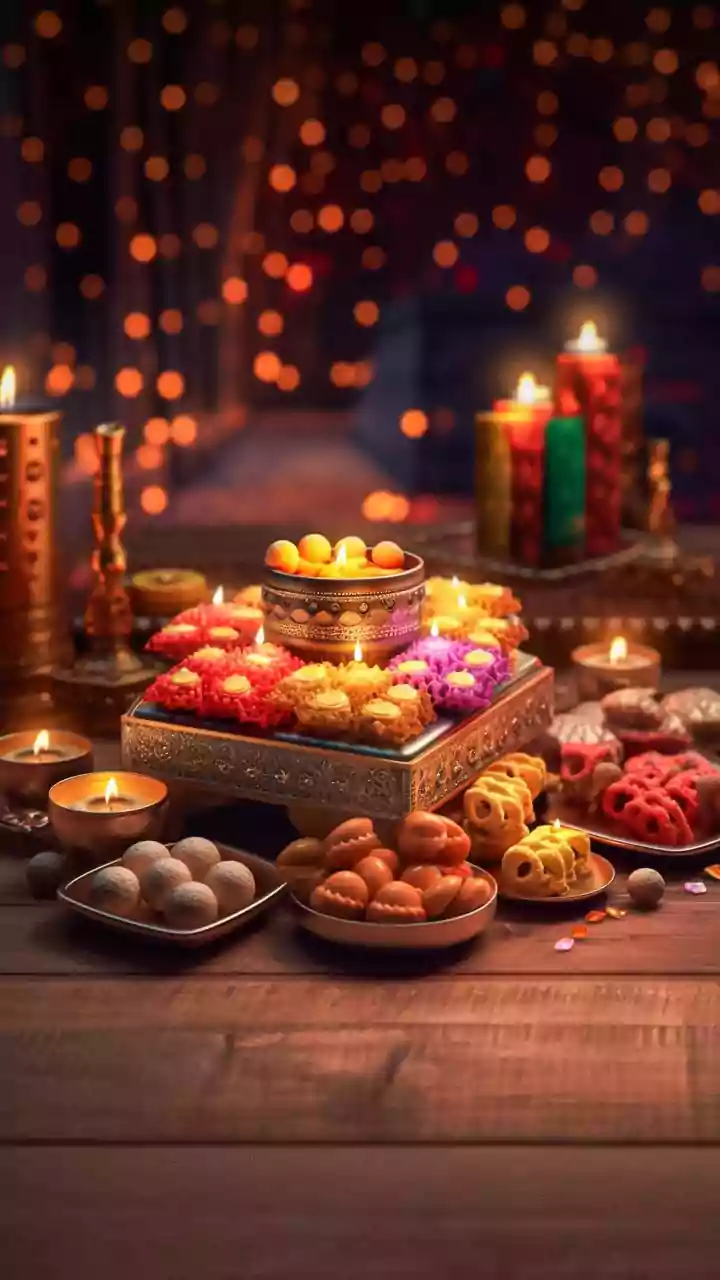
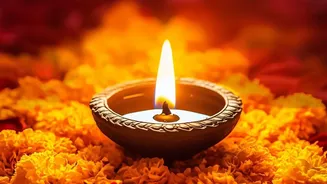
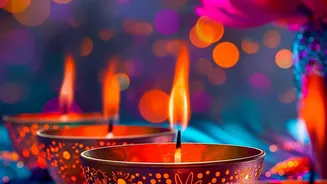
Lighting is perhaps the most critical element in setting a serene festive mood. The trend is moving away from multicoloured, blinking fairy lights and towards a layered, warm glow. Use traditional brass diyas and clay lamps as your primary source of light in the pooja area. Augment this with warm-white string lights draped softly around a backdrop, window, or plants. Adding floor or table lamps in corners creates pools of soft light, making the entire room feel more inviting and tranquil. The goal is to create a space that feels warmly lit rather than brightly illuminated, enhancing the spiritual and calming essence of the festival.