





The Ayurvedic Approach to Monsoon Eating
Ayurveda, India's ancient system of medicine, views the monsoon or 'Varsha Ritu' as a time when the body's digestive fire, or 'Agni', is naturally weaker. The increased humidity can slow down metabolism and make the body more susceptible to infections.
Consequently, traditional monsoon diets favour foods that are warm, light, and easy to digest. This means shifting away from heavy, cold, or raw foods and embracing freshly cooked meals, warm soups, and herbal teas. The goal is to support the digestive system and strengthen immunity to navigate the season feeling healthy and energised.
The Golden Spice: Turmeric (Haldi)
Turmeric is a cornerstone of Indian cooking, but its role becomes even more vital during the monsoon. Its active compound, curcumin, is celebrated for its powerful anti-inflammatory, antioxidant, and antibacterial properties. These qualities make it an excellent ally for strengthening the body against infections that are common when the air is damp. Ayurveda recommends regular consumption of turmeric to boost immunity. A simple way to do this is by adding it to daily meals like dal and vegetable curries, or by drinking a warm cup of 'haldi doodh' (turmeric milk) before bed, often with a pinch of black pepper to enhance curcumin absorption.
The Warming Root: Ginger (Adrak)
Ginger is another kitchen staple that shines during the rainy season. Known for its ability to soothe a sore throat and combat colds, it’s a go-to remedy in many households. Its active compound, gingerol, helps reduce the risk of bacterial and viral infections. Ginger is also considered a 'warming' spice that aids digestion and can help ease nausea, which can be more frequent on humid days. Adding fresh ginger to your morning tea, grating it into soups, or using it as a base for curries are all effective ways to harness its benefits.
Gourds Galore: Lauki and Karela
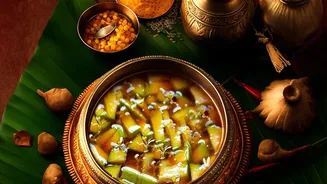
Monsoon is peak season for a variety of gourds that are both nutritious and well-suited for the body’s seasonal needs. Bottle gourd (lauki) is incredibly light and easy to digest, making it an ideal vegetable when digestive fire is low. Bitter gourd (karela), despite its challenging flavour, is prized for its ability to regulate digestion and for its natural antimicrobial properties that can help protect against infections. Both vegetables grow abundantly during this time and are best enjoyed cooked in simple, lightly spiced preparations to balance their natural properties.
The Humble Powerhouse: Moong Dal
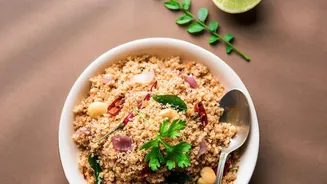
When it comes to monsoon comfort food, nothing quite compares to Khichdi, and its star ingredient is often moong dal. This lentil is one of the easiest to digest, providing high-quality protein and fibre without straining the gut. Its light nature makes it a perfect food for the season. Whether in the form of a simple dal, a nourishing soup, or the classic one-pot khichdi with rice and spices like turmeric and cumin, moong dal is a versatile and grounding ingredient that supports gut health throughout the rainy months.
The Comeback of Corn (Bhutta)
The sight and smell of roasted corn on the cob, or 'bhutta', is synonymous with the Indian monsoon. This seasonal favourite is not just a nostalgic snack but also a healthy one. Corn is a good source of fibre and antioxidants. Often roasted over an open flame and seasoned with lime juice, salt, and spices, it becomes a warm and satisfying treat. While street-side vendors are popular, making it at home is a simple way to enjoy this monsoon classic. It's a perfect example of a simple, seasonal ingredient being celebrated in its most delicious form.