





The Science of Saying Goodbye
The southwest monsoon doesn't just vanish; it withdraws in a slow, staggered process that typically begins in the first half of September from the northwestern parts of the country, like Rajasthan. This retreat is triggered by the weakening of the low-pressure
system over the region as the sun's position shifts southward. The India Meteorological Department (IMD) officially declares the withdrawal based on criteria like a continuous five-day cessation of rainfall and a significant drop in moisture. The entire process is gradual, taking about a month or more to complete as the line of withdrawal moves southeast across the country. This means that while north India might be enjoying post-monsoon clear skies, the southern peninsula could still be experiencing rain.
Mixed Blessings for Agriculture
For India's farmers, the monsoon's departure is a double-edged sword. The end of heavy rains is essential for harvesting summer-sown (Kharif) crops like rice, soybeans, and cotton. Excessive rainfall during this period can damage mature crops, leading to lower yields and quality. However, the final spell of rain is critical. It replenishes soil moisture, which is vital for the germination and growth of upcoming winter-sown (Rabi) crops such as wheat and mustard. A good monsoon season also fills reservoirs, securing water for irrigation needed during the drier months ahead. A premature or erratic withdrawal, a pattern seen with increasing frequency, can disrupt this delicate balance, affecting food production and the incomes of millions.
City Life Breathes Again
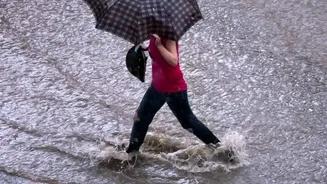
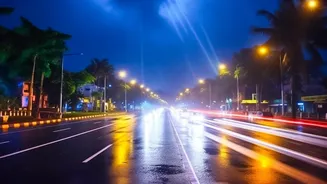
In urban centres, the retreat brings a collective sigh of relief. The daily struggles with waterlogged streets, traffic snarls, and leaky infrastructure begin to fade. Outdoor life, which largely moves indoors during the peak monsoon, re-emerges. Street vendors return to their usual spots, parks and public spaces become inviting again, and construction projects, often halted by the rains, resume at full pace. However, this period also brings the infamous 'October Heat'. With the land still moist and clear skies leading to a rise in temperature, the result is a short but intensely uncomfortable spell of high heat and humidity before the winter coolness sets in.
Health, Festivals, and a Change in Mood
While the end of the monsoon reduces water-borne ailments, it marks the beginning of the peak season for vector-borne diseases like dengue and malaria, as stagnant water provides breeding grounds for mosquitoes. On a more cheerful note, the post-monsoon period ushers in India's biggest festival season. The clear, pleasant weather is perfect for the outdoor celebrations of Navratri, Durga Puja, and Diwali. The vibrant energy of Garba in Gujarat, the magnificent pandals of Kolkata, and the illuminated nights of Diwali are all hallmarks of this post-monsoon cultural boom. It’s a time of celebration, and the weather sets the perfect stage for it.
Opening the Doors to Travel
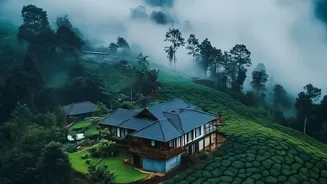
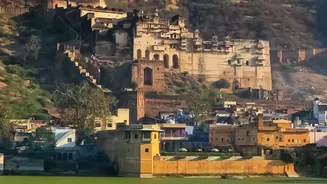
The travel and tourism industry also gets a major boost. Many national parks and wildlife sanctuaries, closed during the monsoon, reopen their core zones in October. Trekkers and nature lovers head to the mountains, where the air is crisp and the landscapes are a startling, freshly-washed green. Destinations that were difficult to access due to landslides or heavy rains become prime spots for tourism. The post-monsoon window, particularly October and November, is often considered one of the best times to travel in many parts of India, offering pleasant weather, lower crowds than the peak winter season, and stunningly clear views.