






Why Heat and Humidity Are a Problem
The combination of heat and high humidity creates an ideal environment for bacteria, fungi, and viruses to thrive. Most harmful bacteria multiply fastest in the 'danger zone', a temperature range between 5°C and 60°C. During Indian summers and monsoons,
ambient kitchen temperatures often fall squarely within this zone. High humidity adds moisture to the air, which accelerates spoilage, especially in foods with high water content like cooked dals, gravies, and cut vegetables. This is why food that might last for hours in winter can turn sour or become unsafe in a much shorter time during hotter months.
Rethink Your Countertop Habits
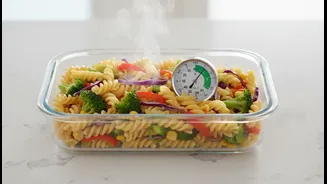
Leaving cooked food on the kitchen counter is a major risk. While standard advice suggests a two-hour limit for leaving food out, this window shrinks dramatically in high heat. If the room temperature is above 32°C, you should refrigerate cooked food within one hour. This applies to everything from leftover rice and sabzi to dals and meat dishes. Never thaw frozen food on the counter either. The outer layers will enter the temperature danger zone and grow bacteria while the inside is still frozen. The safest way to thaw is in the refrigerator overnight.
Master Your Refrigerator
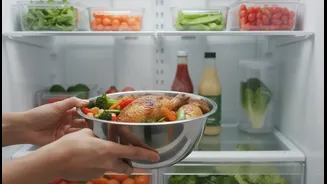
Your refrigerator is your best defence, but only if used correctly. The temperature should be set at or below 4°C to effectively slow bacterial growth. It's wise to use an appliance thermometer to check its accuracy instead of just relying on the dial. Avoid over-stuffing the fridge, as cold air needs to circulate to keep everything cool. Store raw meat, poultry, and fish on the bottom shelf in sealed containers to prevent their juices from dripping onto and contaminating other foods. Recently, the Food Safety and Standards Authority of India (FSSAI) advised cleaning and defrosting refrigerators regularly, about every two weeks, to prevent mould and bacteria buildup.
Handle Produce With Extra Care
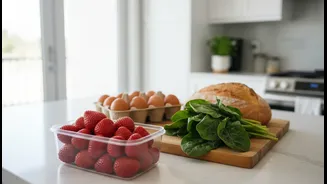
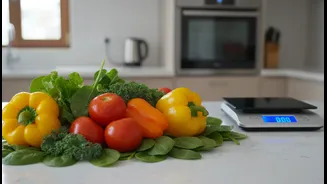
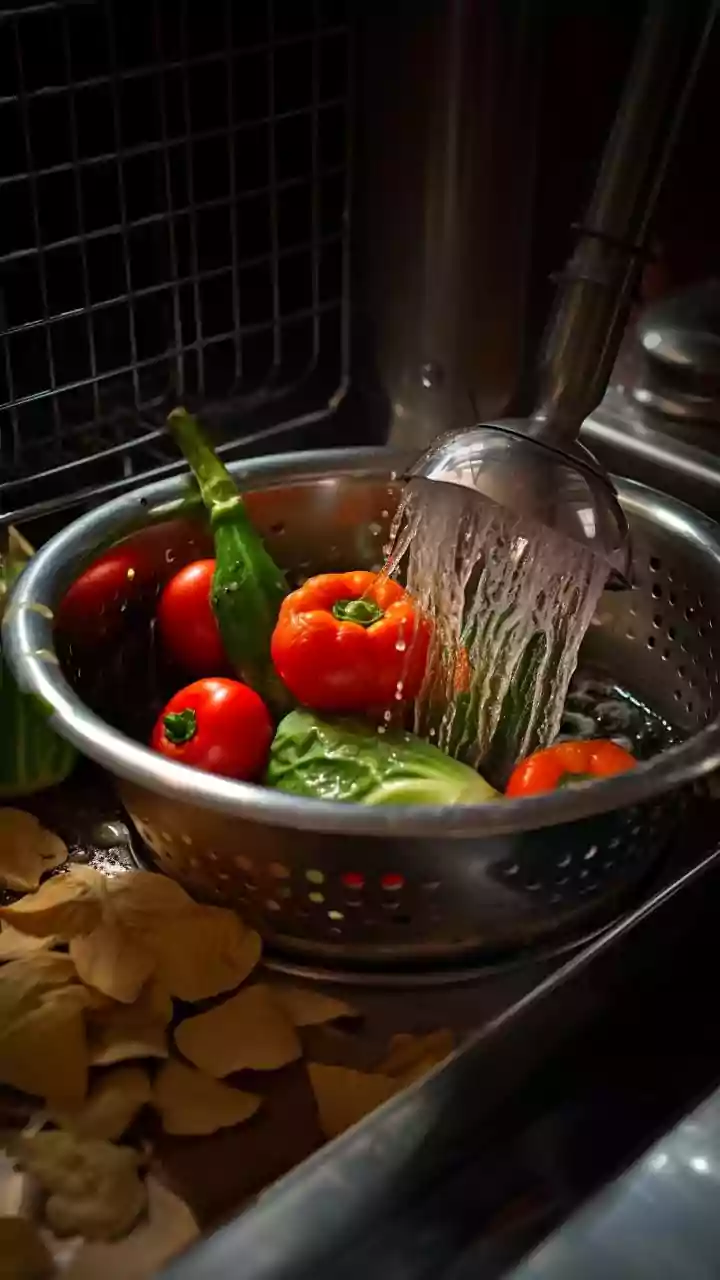
The monsoon season increases the risk of contamination on fresh produce. Always wash fruits and vegetables thoroughly under clean, running water before consumption. For leafy greens, which can harbour more germs, consider steaming them instead of eating them raw in salads. It's also wise to avoid pre-cut fruits and salads from outside vendors, as their hygiene standards may be uncertain. For dry goods like flour, spices, and grains, store them in airtight containers in a cool, dry place away from the stove to prevent moisture absorption, which can lead to mold and spoilage.
Prevent Cross-Contamination
Cross-contamination is when bacteria spread from one food item to another. This commonly happens when using the same cutting board or knife for raw meat and then for vegetables without washing it in between. To be safe, use separate chopping boards for raw and ready-to-eat foods. FSSAI also recommends washing your hands with soap and water for at least 20 seconds before handling food, and again after touching raw meat or using the toilet. Similarly, all kitchen surfaces and utensils should be washed with hot, soapy water.