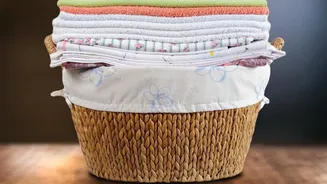








It’s a familiar moment: opening a storage bin to retrieve your seasonal favourites, only to be met with a stale, musty smell. That unpleasant odour is a sign that moisture and lack of airflow have been at work. But it’s entirely preventable.
Start with a Clean Slate
The single
most important step in preventing musty smells happens before a single item goes into a container. Always wash or dry-clean your clothes according to their care instructions before storing them. Body oils, faint odours, food residue, and dirt can attract pests and break down over time, causing that signature stale smell. Crucially, you must ensure every garment is completely and totally dry. Even a small amount of lingering moisture trapped in a container is the primary cause of mildew and mustiness. Take the extra time to let clothes air out after drying to be certain.
The Great Container Debate
Choosing the right container is about balancing protection with breathability, and the best choice often depends on where the container will live. Airtight plastic bins with gasket seals are excellent for keeping out moisture, dust, and pests, making them ideal for potentially damp or dusty areas like basements, garages, or attics. However, they can also trap any moisture you accidentally packed in with your clothes. Breathable containers, like those made of cotton canvas or linen, allow for air circulation that helps prevent musty odours. These are perfect for storage inside a climate-controlled closet. Avoid using standard cardboard boxes, which absorb moisture and offer little protection from pests, and never use old dry-cleaner bags for long-term storage, as they can trap chemicals and moisture against the fabric.
Material Matters for Your Clothes
Different fabrics have different needs. Sturdy items like cotton T-shirts and denim jeans do well when folded or rolled in most container types. However, delicate natural fibres like wool, cashmere, and silk need to breathe. For these items, a breathable fabric bin is a better choice than an airtight plastic one. To give them extra protection, you can wrap them in acid-free tissue paper, which helps prevent yellowing and creasing. For bulky puffer coats, it's best to hang them in a breathable garment bag rather than compressing them, which can crush the filling. Vacuum-sealed bags can be a great space-saver for durable items, but they can cause severe wrinkling and damage the fibres of delicate garments like sweaters over time.
Natural Ways to Stay Fresh
To give your clothes an extra defence against mustiness and pests, turn to natural solutions. Cedar blocks or balls are a classic choice; they absorb moisture and the aromatic oils naturally repel moths. Lavender sachets perform a similar function, leaving behind a pleasant scent. For powerful, unscented moisture absorption, place a few activated charcoal bags or silica gel packets in the container. An open box of baking soda also works well to neutralize odours. It is best to avoid old-fashioned mothballs. The chemicals they contain, naphthalene or paradichlorobenzene, are considered toxic pesticides that can be harmful to people and pets, and they leave a harsh chemical smell that is difficult to remove.
Pack Smart, Store Smarter
How you pack is almost as important as what you pack in. Don’t overstuff your containers. Tightly packing clothes can restrict airflow, damage fibres, and create permanent creases. When packing, place heavier items at the bottom and lighter, more delicate pieces on top. Finally, consider your storage location. The ideal spot is cool, dark, and dry, like the top shelf of a bedroom closet or under a bed. Avoid areas with extreme temperature fluctuations and high humidity, such as attics and basements, whenever possible. If you must use a basement, elevate your containers off the floor to protect them from potential water damage.