





The Why: Triggering a Translocation
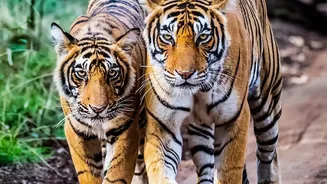
A tiger isn't moved on a whim. The decision, guided by the National Tiger Conservation Authority (NTCA), stems from specific needs. One major reason is to establish or supplement populations in reserves where tiger numbers have dwindled. This was the case
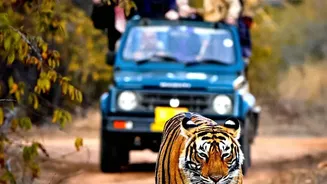
in reserves like Sariska and Panna, which saw successful comebacks after reintroductions. Another critical reason is conflict. When a tiger repeatedly strays into human-dominated landscapes, posing a threat to people or livestock, relocation becomes a necessary tool to ensure the safety of both humans and the animal itself. Finally, moving young, dispersing tigers from high-density areas to those with more space can boost genetic diversity and reduce territorial fights.
The Hunt: Meticulous Planning and Tracking
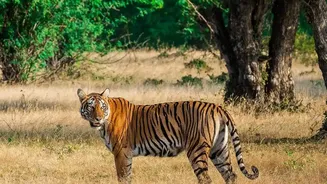
Once a decision is made, a period of intense preparation begins. The first step is selecting a suitable candidate. Ideally, this is a young, healthy tiger between two and three years old that has not yet established a breeding territory. Forest department teams, including trackers and wildlife biologists, spend weeks monitoring the target animal. They study its behaviour, health, and movement patterns. Simultaneously, the destination reserve is assessed to ensure it has an adequate prey base, sufficient water sources, and minimal human disturbance—factors crucial for the tiger's survival. Without these conditions in place, even a perfectly executed translocation can fail.
The Dart: A Moment of Precision
This is the most critical phase. An experienced veterinarian calculates the precise dosage of tranquilising drugs. The most common combination used in India is Ketamine, a dissociative anaesthetic, paired with a sedative like Xylazine or Medetomidine. This combination induces anaesthesia while also providing muscle relaxation. The dosage is a complex calculation based on the estimated weight, age, and even the stress level of the animal—an agitated tiger may require a higher dose. The drug is delivered via a dart gun, a moment requiring immense skill and patience. The team must get close enough for an accurate shot, typically targeting a large muscle mass like the hindquarters, while ensuring minimal disturbance to the animal.
The Check-Up: A Race Against Time
Once the dart finds its mark, the team waits for the drugs to take effect, a process that can take several minutes. As soon as the tiger is safely sedated, the clock starts ticking. The veterinary team quickly moves in to perform a health check. They monitor vital signs like heart rate and breathing, take blood samples for genetic and health screening, and check for any injuries. If the tiger is part of a monitoring program, this is when it is fitted with a satellite radio collar. This collar is essential for tracking the animal's movement, adaptation, and well-being after its release. The entire process is conducted quietly and efficiently to minimise stress on the sedated animal.
The Journey: A Crate and a Convoy
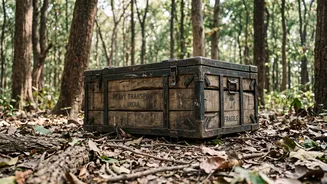
With the health check complete, the sedated tiger is carefully loaded into a specially designed transport cage. These cages are built to be secure, well-ventilated, and prevent the animal from injuring itself. The journey, which can cover hundreds of kilometres, is carefully planned to be as short and smooth as possible. A convoy, including the transport vehicle and support teams, travels without long stops. While water may be offered on very long journeys, food is generally withheld for up to 48-72 hours, as a well-fed tiger can travel without issue. In some cases, reversal drugs like Atipamezole may be administered to shorten recovery time once the destination is near.
The Release: A New Beginning
Upon arrival at the new reserve, the tiger may be released directly into the wild ('hard release') or kept in a large, secured enclosure for a period of acclimatisation ('soft release'). This soft-release method allows the tiger to get used to its new surroundings before venturing out. Once the cage door is opened, the team retreats to a safe distance. The monitoring phase begins immediately. Using data from the radio collar and on-ground tracking with camera traps, teams keep a 24-hour watch on the tiger. This post-release monitoring is vital to see if the animal is hunting successfully, establishing a territory, and adapting to its new home, ultimately determining the success of the entire operation.