





The Gallery Standard: 57 Inches on Center
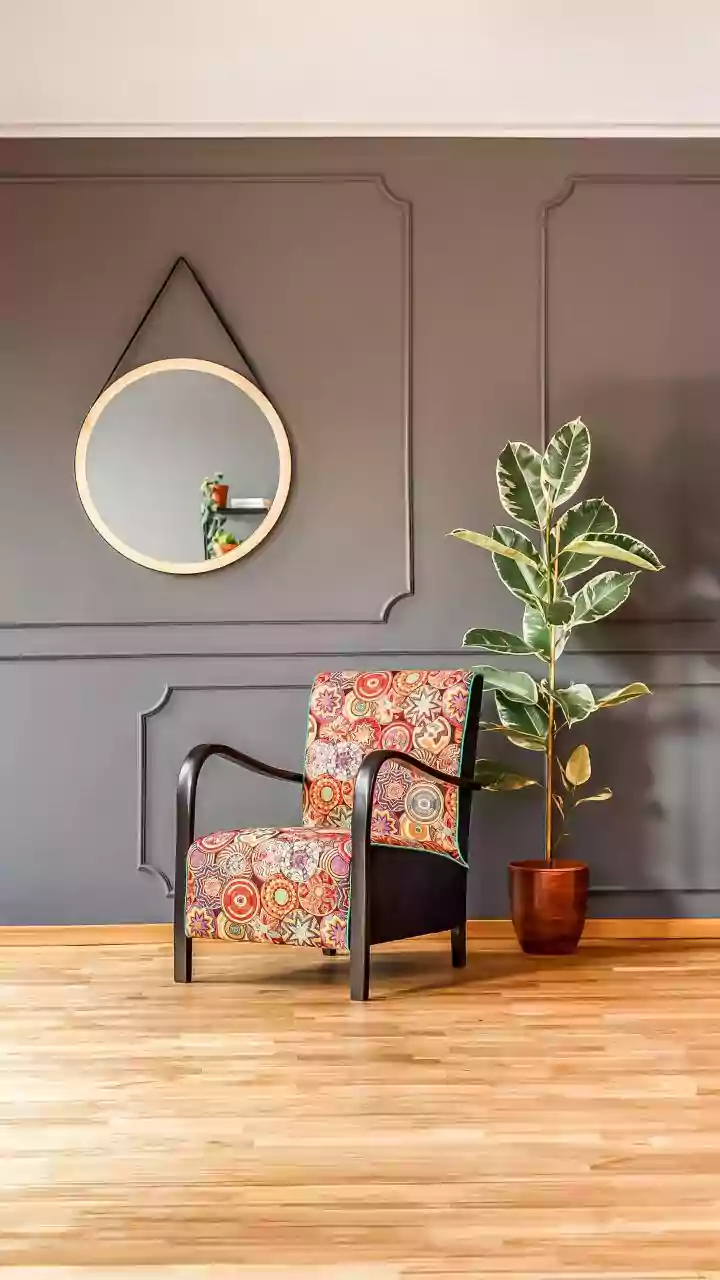
Interior designers and galleries follow a simple guideline: the center of the artwork should hang 57 to 60 inches from the floor. This measurement is based on the average human eye level, ensuring the art can be viewed comfortably without straining your
neck. Think of this as your starting point. This rule applies whether you're hanging a single oversized canvas or the central piece of a larger gallery wall. It creates a balanced, intentional look that helps anchor the artwork in the room.
The Seated View: Living Rooms and Dining Rooms
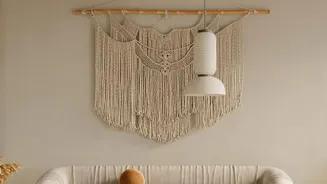
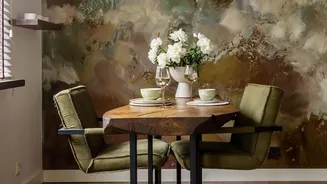
The 57-inch rule is a great baseline, but it needs adjustment in rooms where you spend most of your time sitting, like the living room, dining room, or a reading nook. In these spaces, artwork is primarily viewed from a seated position. If hung at the standard standing eye level, it can feel disconnected from the furniture below. For a more cohesive look, consider hanging pieces slightly lower. A good practice is to leave 6 to 8 inches between the bottom of the frame and the top of your sofa or console table. This visually connects the art to the furniture, creating a unified and comfortable composition.
The Standing Perspective: Hallways and Entryways
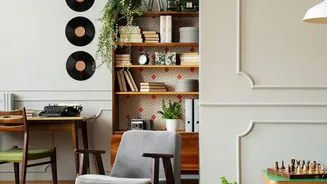
In transitional spaces where you're typically standing or walking through—such as hallways, entryways, and kitchens—the standard eye-level rule is your best bet. Hanging art with its center around 57 to 60 inches from the floor ensures it's perfectly positioned for a comfortable glance as you pass by. In a long hallway, maintaining a consistent center height for all pieces creates a clean, gallery-like flow that leads the eye. For very tall or double-height spaces, you can adjust slightly higher, but be careful not to let the art 'float' away from the human scale of the room.
Anchoring Art to Furniture
Regardless of the room, the relationship between your art and furniture is crucial. A common guideline is to choose artwork that is about two-thirds the width of the furniture it hangs above, such as a sofa, bed, or buffet. This prevents the art from being dwarfed by the furniture or, conversely, overpowering it. Maintaining a gap of 4 to 8 inches above the furniture creates a visual anchor. If a piece feels too small on its own, consider creating a gallery wall grouping to achieve the proper scale.
Test Before You Commit
Before you put any nails in the wall, test your placement. A great tip is to cut out paper templates matching the size of your frames and use painter's tape to arrange them on the wall. This allows you to experiment with different heights and arrangements without making unnecessary holes. Live with the templates for a day or two, viewing them from different angles, both sitting and standing, and at different times of day. Have someone hold the actual art piece against the wall while you step back to assess the height from various points in the room. This simple step ensures you'll be happy with the final placement.