


First, Protect Your Gear
Before you step out, safeguarding your equipment is crucial. While many professional cameras have some weather sealing, it's not the same as being waterproof. In a light drizzle, a simple cloth or even a plastic bag can offer temporary protection. For
heavier rain or prolonged shoots, investing in a dedicated rain cover or sleeve is a wise decision. These covers shield your camera and lens while allowing you to access controls. Also, always keep a lens hood attached; it helps prevent raindrops from spotting the front of your lens. A few dry microfibre cloths are non-negotiable for wiping away moisture. When you're done, let your gear dry properly and consider storing it with silica gel packs to absorb any lingering dampness.
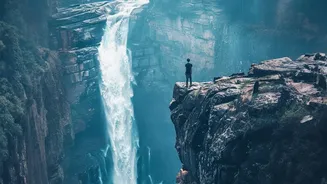
Capture Cascading Waterfalls
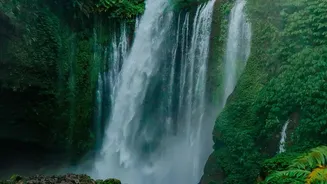
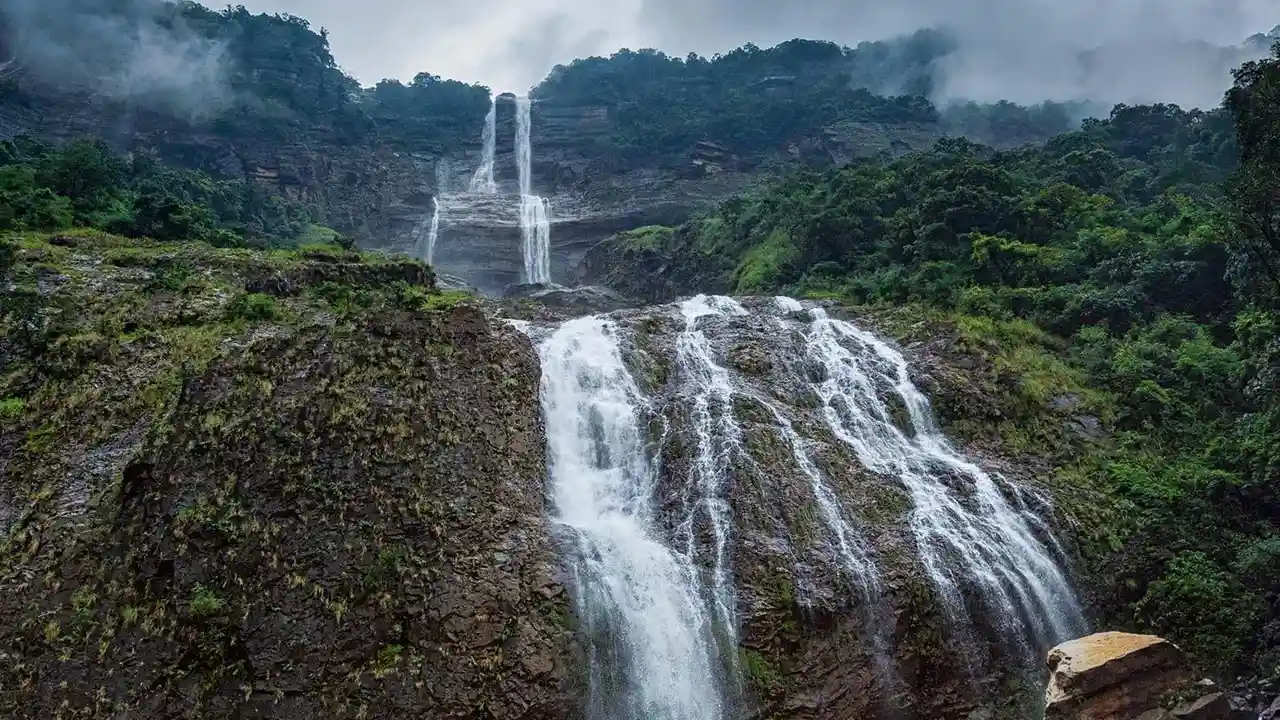
Waterfalls are at their most majestic during the monsoon. To capture that smooth, silky water effect, you'll need a tripod for stability. Use your camera's manual or shutter-priority mode to select a slow shutter speed—anything from half a second to a few seconds can work wonders. This technique blurs the water's movement, creating an elegant and serene image. Overcast skies, common in the monsoon, provide soft, diffused light that is perfect for waterfall photography, reducing harsh glare and shadows. For an extra touch, a circular polarising filter can cut down on reflections from wet rocks and enhance the lush greens of the surrounding foliage. Some of the most photogenic spots include Jog Falls in Karnataka, Athirappilly Falls in Kerala, and Dudhsagar Falls on the Goa-Karnataka border.
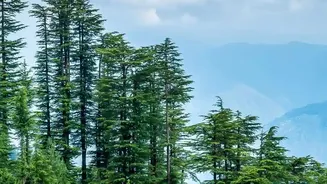
Frame the Moody, Misty Mountains
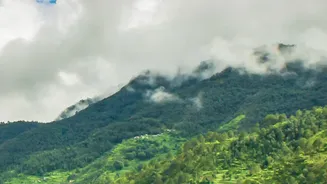
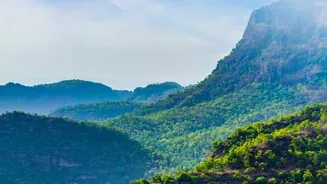
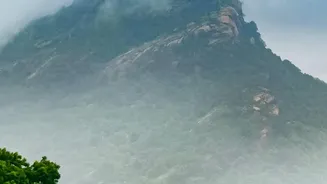
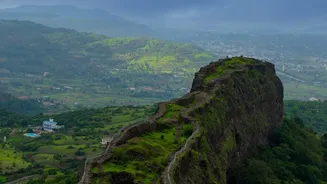
The monsoon drapes India's hill stations in a thick blanket of mist, creating scenes filled with atmosphere and mystery. The key to a great misty mountain shot is creating a sense of depth. Look for foreground elements like trees, rocks, or a winding road to lead the viewer's eye into the scene. The mist itself creates natural layers in your composition, with distant peaks fading into the white. Be patient; the fog is dynamic and can shift in minutes, revealing new compositions. Destinations like Munnar in Kerala, Coorg in Karnataka, and Shillong in Meghalaya are renowned for their misty monsoon landscapes, offering endless opportunities for breathtaking shots.
Focus on Reflections and Raindrops
The beauty of the monsoon is often found in the small details. After a downpour, the world becomes a reflective surface. Puddles on city streets can mirror buildings and traffic lights, creating vibrant, abstract images. Look for reflections on wet roads, lakes, and even windows to add a new dimension to your photographs. Another classic monsoon subject is macro photography. Get close to capture raindrops clinging to a spider's web, sitting on a flower petal, or rolling down a leaf. You don't always need a dedicated macro lens; many modern smartphones have excellent close-up capabilities. These tiny scenes capture the essence of the season in a single, compelling frame.
Document Life in the Rain
Beyond landscapes, the monsoon brings a unique mood to daily life. Street photography takes on a different character during this season. Scenes of people walking with colourful umbrellas, steam rising from a roadside tea stall, or the splatter of a vehicle driving through a puddle can tell a powerful story. The overcast light is flattering for portraits, creating soft shadows. Backlighting your subject against the falling rain can make each droplet shimmer, creating a magical effect. Whether in a bustling city market or a quiet village lane, the rain adds a layer of emotion and drama to photographs of people and their surroundings.