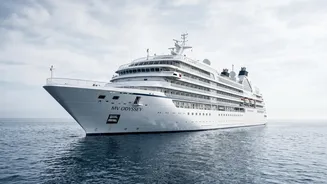








For 203 passengers, it was the ultimate journey: a three-year continuous voyage around the world. But the dream has been abruptly paused, leaving them stranded in Cambodia. The culprit? Not a storm, but a surge in fuel prices.
A Dream Voyage Derailed
The MV Odyssey, operated
by Florida-based Villa Vie Residences, was marketed as more than a cruise; it was a home. Passengers purchased cabins, some for hundreds of thousands of dollars, with the promise of a permanent address at sea while visiting all seven continents. The voyage began two years ago, but recently came to a sudden halt in the Cambodian port of Sihanoukville. In a statement, the company announced it was suspending the journey, citing 'extraordinary increases in fuel costs' that made the current operating model financially unsustainable. Passengers, mostly Americans, were given just hours' notice to disembark, turning a global adventure into a logistical nightmare.
The Soaring Cost of Fuel
The company’s decision shines a light on a critical vulnerability for the entire maritime industry: the immense cost of fuel. Cruise ships run on marine fuels, like Very Low Sulfur Fuel Oil (VLSFO), and prices have skyrocketed. Villa Vie Residences stated that monthly fuel expenses per cabin, which were historically around $1,800, had ballooned to an estimated $6,000 to $8,000 in parts of Asia. This surge is largely attributed to geopolitical conflict, which has disrupted supplies through critical shipping lanes like the Strait of Hormuz, tightening the market and driving up costs globally. In Singapore, a major Asian hub for marine fuel, the price for VLSFO has climbed over 70% since the conflict began. For a company operating on tight margins, such a dramatic and sustained increase in its single largest variable cost proved to be insurmountable.
Passengers Left in Limbo
For those who called the MV Odyssey home, the news has been devastating. Many are retirees who invested their savings into the residential cruise concept. While the operator has pledged to work with passengers on 'temporary living arrangements' and evaluate restructuring options, the immediate future is uncertain. According to some passengers, the fuel price surge may have been the final straw for a company that was already struggling. They cite issues like last-minute itinerary changes and a decline in service quality as signs that the business model was under pressure long before the fuel crisis peaked. For now, passengers are left seeking their own way home or finding accommodation in Cambodia, grappling with the financial and emotional fallout of their journey's end. The operator has not yet detailed a refund or compensation plan publicly, though industry standards often call for full refunds in cases of cancellation due to mechanical or operational failures.
An Industry on High Alert
While the MV Odyssey's situation is extreme, it highlights a challenge every cruise line is currently facing. Major operators like Royal Caribbean, Carnival, and Norwegian are also battling higher fuel bills. However, their strategies for managing the risk differ. Some, like Royal Caribbean, use extensive fuel hedging—a financial strategy to lock in prices in advance—to soften the blow of market volatility. Carnival, on the other hand, has focused on investing in fuel-efficiency technologies to reduce overall consumption. These larger companies have so far weathered the storm, but some have been forced to add fuel surcharges or adjust itineraries to save costs. The abrupt end of the MV Odyssey's voyage serves as a stark warning: in a world of volatile energy prices, even the most luxurious of travel plans are not immune to the harsh realities of global economics.