

The Allure and The Reality of Winter
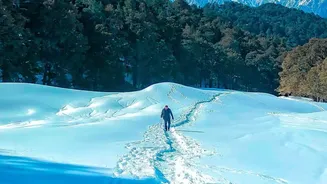
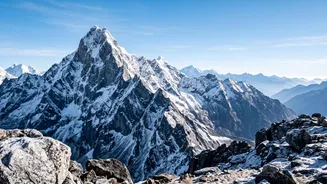
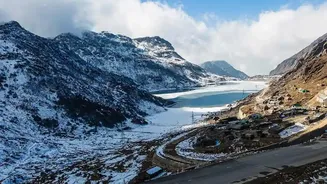
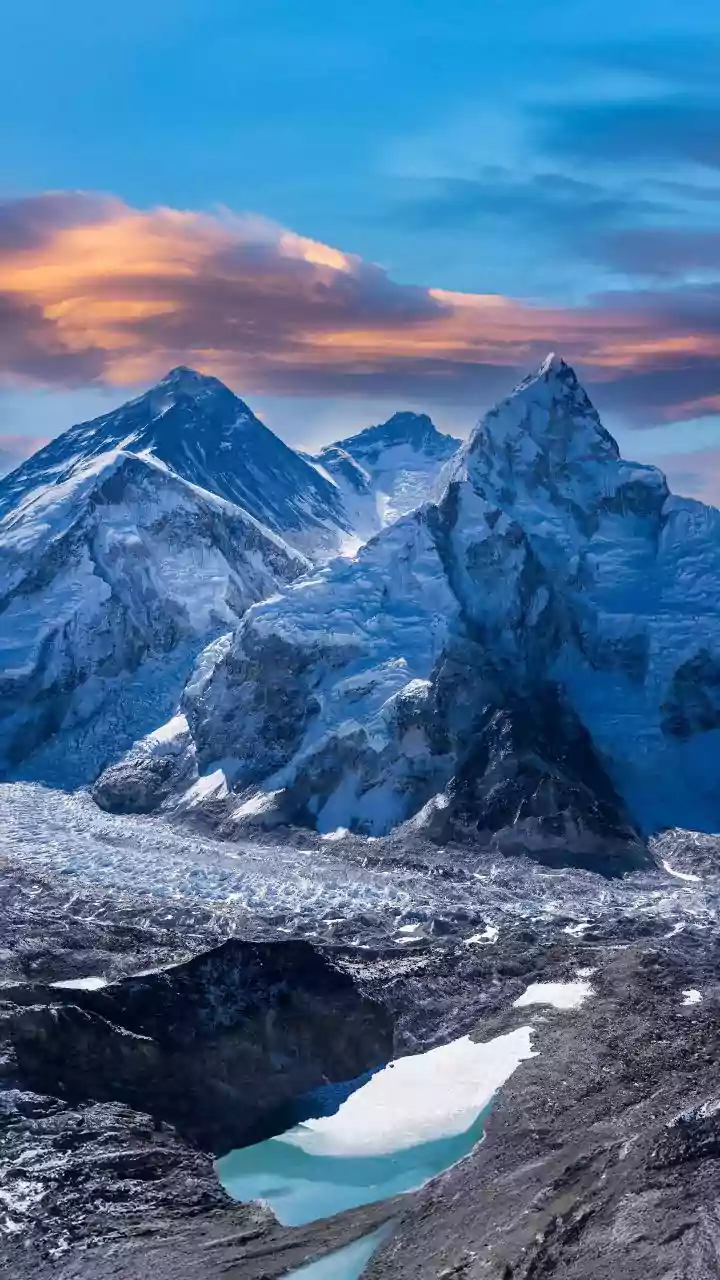
A Himalayan journey in December offers a unique magic: fewer crowds, crisp blue skies, and landscapes transformed by snow into a pristine wonderland. Destinations like Manali, Auli, and Gulmarg become hubs for winter sports and serene getaways. However,
the appeal of this winter paradise must be balanced with a healthy dose of realism. Temperatures frequently drop well below freezing, especially at night, with some high-altitude regions like Ladakh experiencing lows of -20°C or colder. Heavy snowfall can lead to road closures and travel disruptions, making a flexible itinerary not just a suggestion, but a necessity.
Destination Guide: What to Expect Where
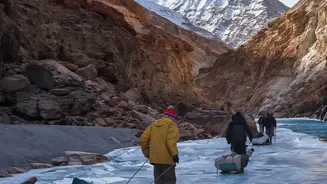
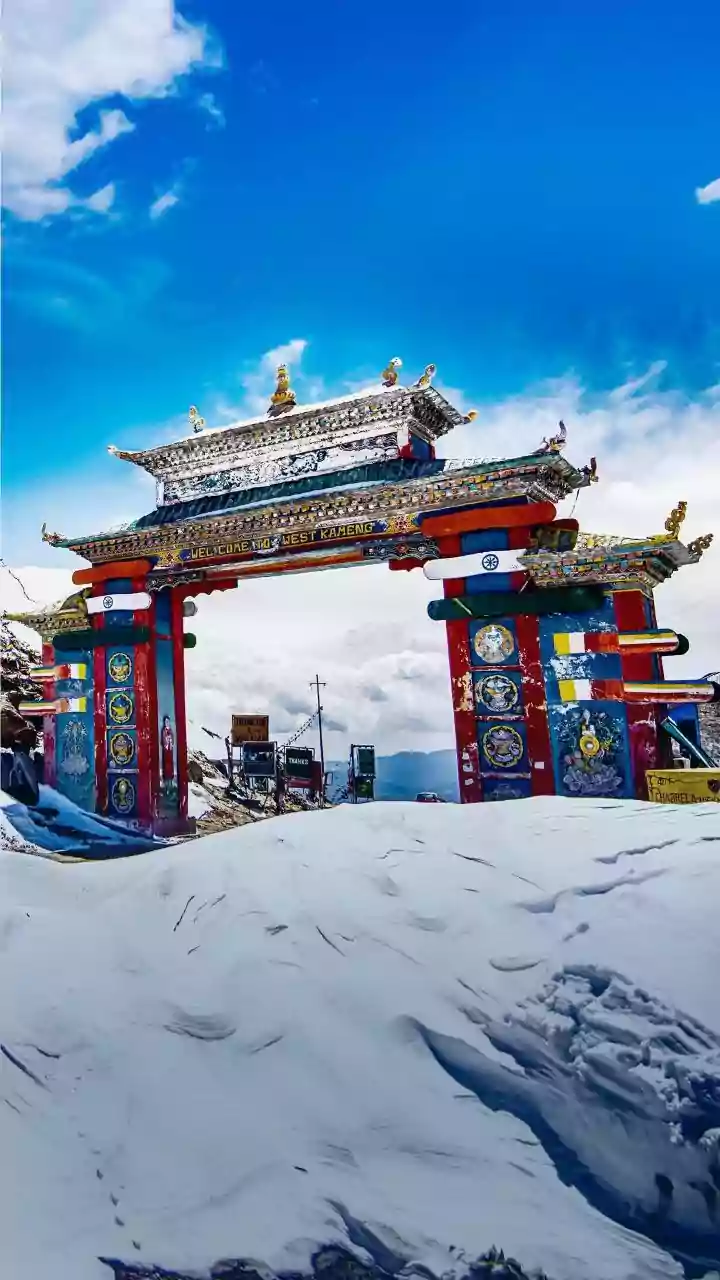
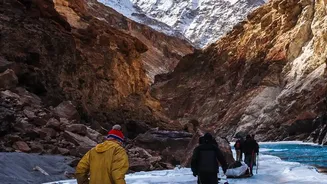
Not all Himalayan destinations are equally accessible or suitable for winter travel. In Himachal Pradesh, popular spots like Shimla, Manali, and Kufri are generally open, offering classic winter holiday experiences. While the Rohtang Pass near Manali closes due to heavy snow, the Atal Tunnel often maintains connectivity to Lahaul. In Uttarakhand, Auli transforms into India's premier skiing destination, with reliable snowfall and stunning views of Nanda Devi. For the truly adventurous, Ladakh is accessible by air, offering a stark, frozen beauty. However, this is a trip for the well-prepared, as land access from Manali and Srinagar is cut off, and services are limited. Treks like the famous Chadar Trek over the frozen Zanskar River are possible but demand serious preparation.
Your Essential Winter Packing List
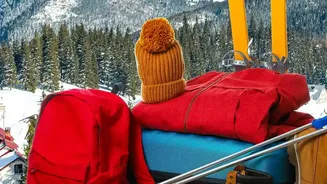
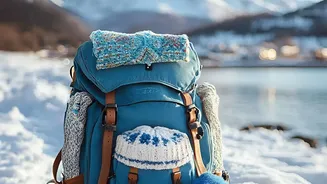
Packing correctly is the first step to a safe and comfortable trip. The key is layering. Your clothing should consist of three main layers: a moisture-wicking base layer to keep sweat away from your skin, an insulating middle layer (like fleece or a down jacket) to retain body heat, and a waterproof and windproof outer shell to protect you from the elements. Avoid cotton, as it retains moisture and can make you colder. Insulated, waterproof boots with good grip are non-negotiable. Don't forget accessories: woollen socks, a warm cap that covers your ears, a neck gaiter or scarf, and insulated gloves are crucial for preventing heat loss. Also pack sunglasses to protect against snow glare, a power bank, and any personal medications.
Health and Safety in High Altitudes
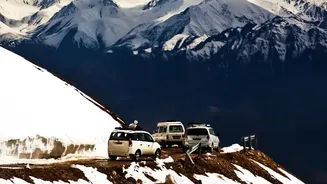
The two biggest health risks in the winter Himalayas are altitude sickness and cold-related injuries. Acute Mountain Sickness (AMS) can affect anyone travelling above 2,500 meters, regardless of fitness level. Prevention is key: ascend slowly, allow your body a day or two to acclimatize before gaining more altitude, stay well-hydrated, and avoid alcohol. Symptoms include headache, nausea, and dizziness; if they appear, do not ascend further. The intense cold also brings the risk of frostbite and hypothermia. Always keep your head, hands, and feet covered and warm. Finally, roads can be treacherous. Always hire experienced local drivers who understand the icy conditions and potential hazards of winter mountain driving.