

An Erratic Monsoon Season
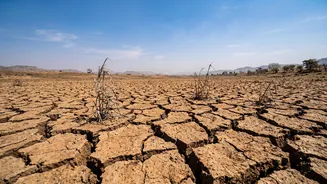
India's 2026 southwest monsoon has been a story of contrasts. The season began with a weak and delayed onset in June, leading to a significant rainfall deficit and stalled sowing operations. A strong recovery in July brought rainfall back towards normal
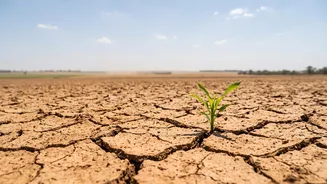
levels, offering a reprieve for farmers. However, August proved erratic again, with dry spells erasing some of the earlier gains. As of late August, the cumulative rainfall deficit for the season stood at around 13-14%. This uneven distribution, with some states like Bihar and Andhra Pradesh facing major shortfalls, has set a precarious stage for September, the final month of the monsoon. The performance of these concluding rains is now the single most important factor determining the fate of the Kharif harvest.
Impact on Kharif Sowing
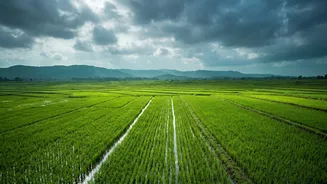
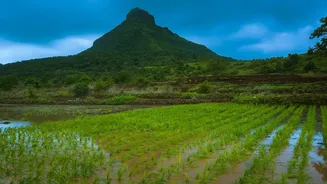
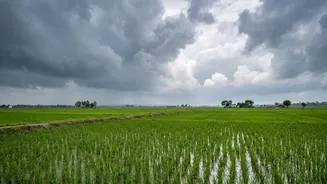
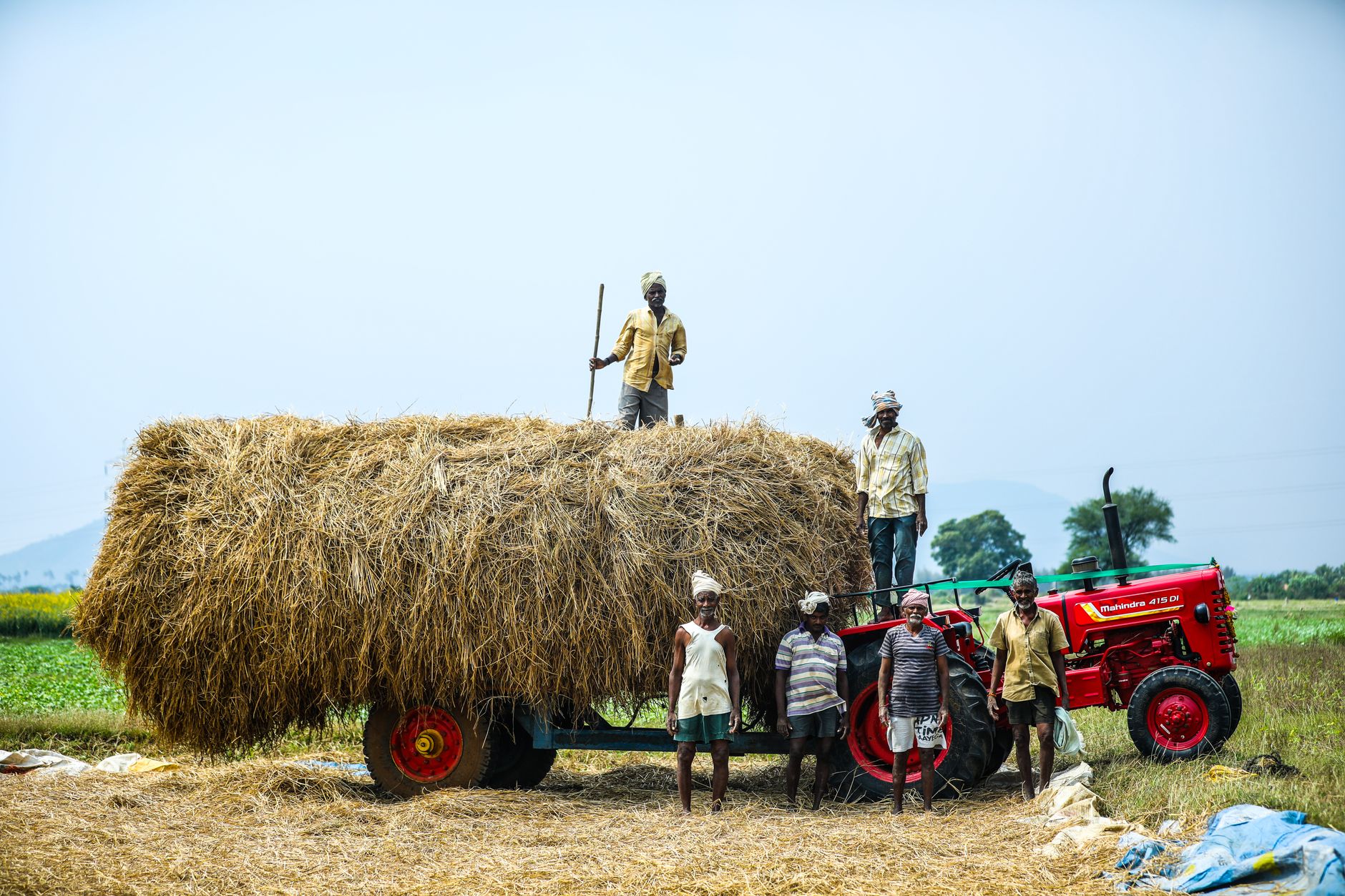
The inconsistent rainfall has directly impacted Kharif sowing. As of late August 2026, the total area sown with Kharif crops was tracking about 1.7-1.8% lower than the same period last year. The most significant drop has been in paddy (rice), a water-intensive crop, with acreage down by over 3%. Key rice-growing states like Karnataka, Telangana, and Odisha have reported substantial reductions in planting. The area under coarse cereals like maize has also seen a decline. While the gap isn't dramatic on a national scale, it hides significant regional disparities and raises concerns about yield, as crops that were sown now face moisture stress during a critical growth phase. Even with near-normal acreage, yields could be lower if September rains fail to deliver.
The Crucial Role of September Rains
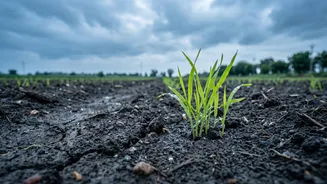
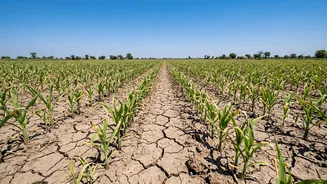
For many Kharif crops, the month of September is when grain filling and maturation occur. A dry spell during this grand growth period can severely impact the final output. For paddy, a steady supply of water is essential to prevent poor grain development and yield loss. Similarly, for long-duration crops like sugarcane, August and September rains are vital for cane development and sucrose accumulation. A deficit now means crops must rely on irrigation and existing soil moisture, which is already under pressure. According to forecasts, subdued rainfall is expected to continue over Peninsular India, while temperatures are likely to be above normal, increasing heat stress on crops and water evaporation.
Reservoirs and the Rabi Season Outlook
The monsoon doesn't just water the Kharif crop; it also replenishes India's major reservoirs, which are critical for the upcoming Rabi (winter) crop season. As of late August, water storage in major reservoirs was nearly 18% below last year's levels, though close to the ten-year average. The deficit is particularly sharp in the southern and northern regions. A weak end to the monsoon would mean less stored water available for winter crops like wheat, mustard, and gram, which rely heavily on irrigation. This could create a double impact, first hitting Kharif output and then constraining the potential of the following Rabi harvest, putting further pressure on food supplies and prices.