






More Than Just a Raincoat
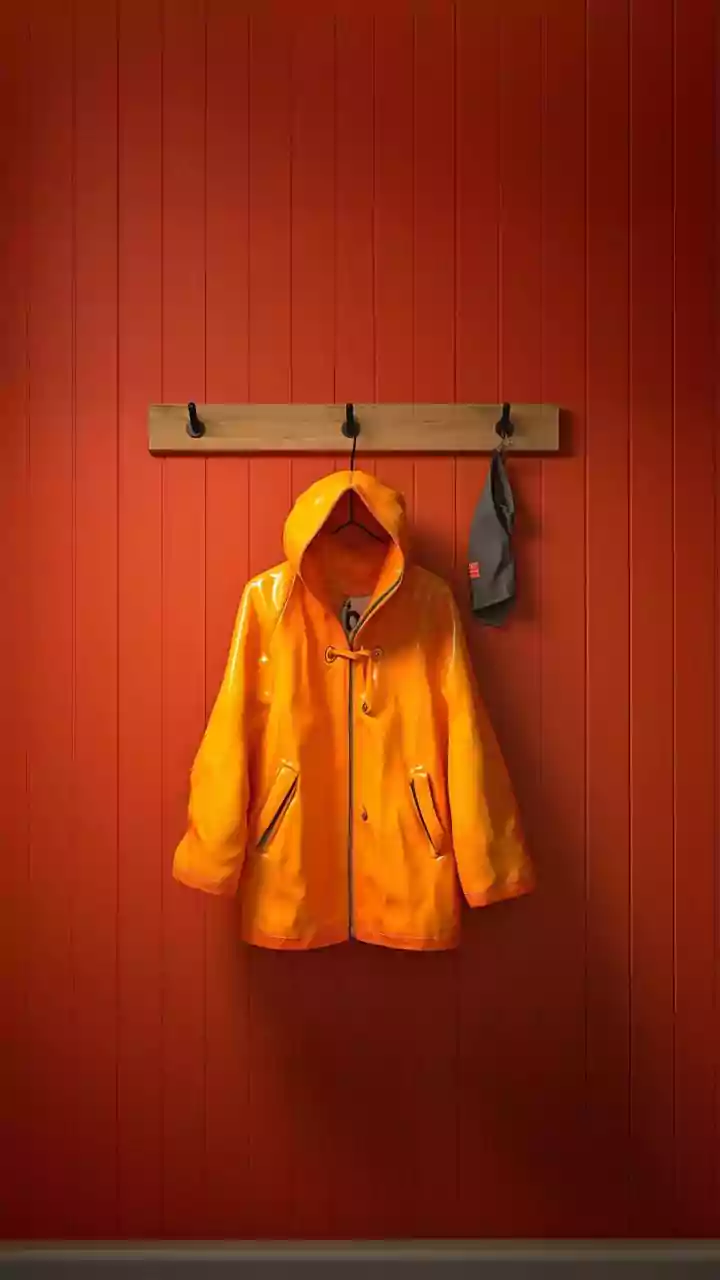
The world of rainwear has expanded far beyond the classic rubber slicker. A major shift in fashion is blending high-performance technology with everyday aesthetics. [7, 8] This means the technical features once reserved for extreme outdoor gear are now
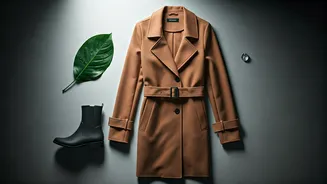
being seamlessly integrated into stylish trench coats, commuter jackets, and even tailored trousers. [30] The result is clothing that looks perfectly at home in a city or office setting but performs flawlessly in a downpour. [8] This fusion of function and fashion, often called 'techwear', is less a fleeting trend and more a new standard, driven by our desire for clothes that adapt to unpredictable weather without sacrificing style. [7, 17]
The Unsung Hero: Sealed Seams
The biggest weakness in any waterproof garment is often the seams. [2] Traditional stitching creates thousands of tiny holes that water can eventually penetrate. This is where seam sealing becomes essential for true waterproofing. [2, 11] There are two primary methods: taping and welding. Taped seams involve covering the stitching on the inside of the garment with a waterproof tape, preventing leaks. [2] Welded seams go a step further, using heat or ultrasonic vibrations to fuse two pieces of fabric together, creating a completely sealed, stitch-free bond. [2, 13] While taped seams are a huge improvement, welded seams offer superior strength and water resistance. When shopping, look for labels that say "fully taped" or "welded seams" to ensure every part of the garment is protected. [3, 6]
Zippers and Flaps That Defend
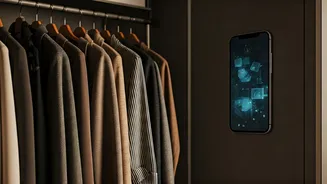
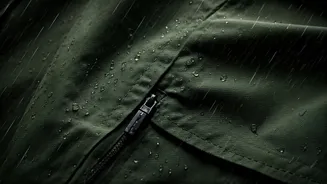
A standard zipper is another prime entry point for rain. To combat this, fashion-forward brands are adopting technical solutions. Look for waterproof zippers, often identifiable by a rubbery or polyurethane coating that seals the teeth when closed. [10, 16] These zippers prevent water from seeping through, a detail that separates basic jackets from truly reliable ones. [11] Another crucial feature is a storm flap. This is an extra panel of fabric that covers the zipper, providing an additional physical barrier against wind and rain. [3, 11] These might seem like small additions, but they make a significant difference in keeping you dry during a serious downpour. [11] Some designs even feature waterproof utility pockets, designed to keep your phone and other valuables safe and dry. [7]
The Importance of Breathability
True comfort in the rain isn't just about keeping water out; it's also about letting sweat and body heat escape. [1, 7] Without breathability, a waterproof jacket can feel like wearing a plastic bag, leaving you clammy and uncomfortable. Modern waterproof fabrics solve this with sophisticated membranes containing microscopic pores. [21] These pores are too small for external water droplets to pass through but large enough to allow internal moisture vapour to escape. [21] This technology is what allows a garment to be both waterproof and breathable, ensuring you stay dry from the inside and out. [3] Fabrics are often given breathability ratings, so a higher number means more comfort during active use, like a brisk walk or a commute. [3, 5]
How to Spot Quality in the Wild
Armed with this knowledge, you can become a much smarter shopper. When evaluating a garment, go beyond the overall look. Check the inside of the seams for evidence of taping. [6] Run your fingers over the zipper; does it have that smooth, coated feel of a waterproof closure? Look for a storm flap over the main zip. Check the label for information on waterproof and breathability ratings, often shown as two numbers like '10,000mm / 10,000g'. [5, 22] The first number measures waterproofness (higher is better), and the second measures breathability. [22] Also, pay attention to adjustable hoods, waists, and cuffs, which allow you to create a secure fit that keeps the elements out. [1, 18] By focusing on these details, you can invest in rainy-day fashion that is genuinely useful and built to last.