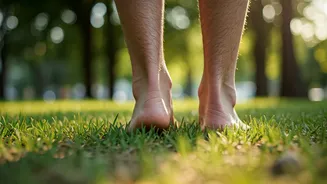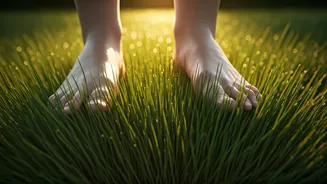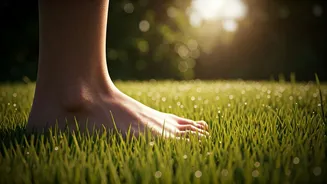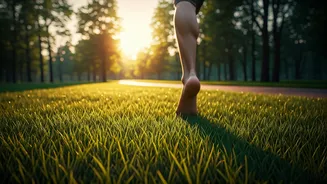






Why Leave the Gym Behind?
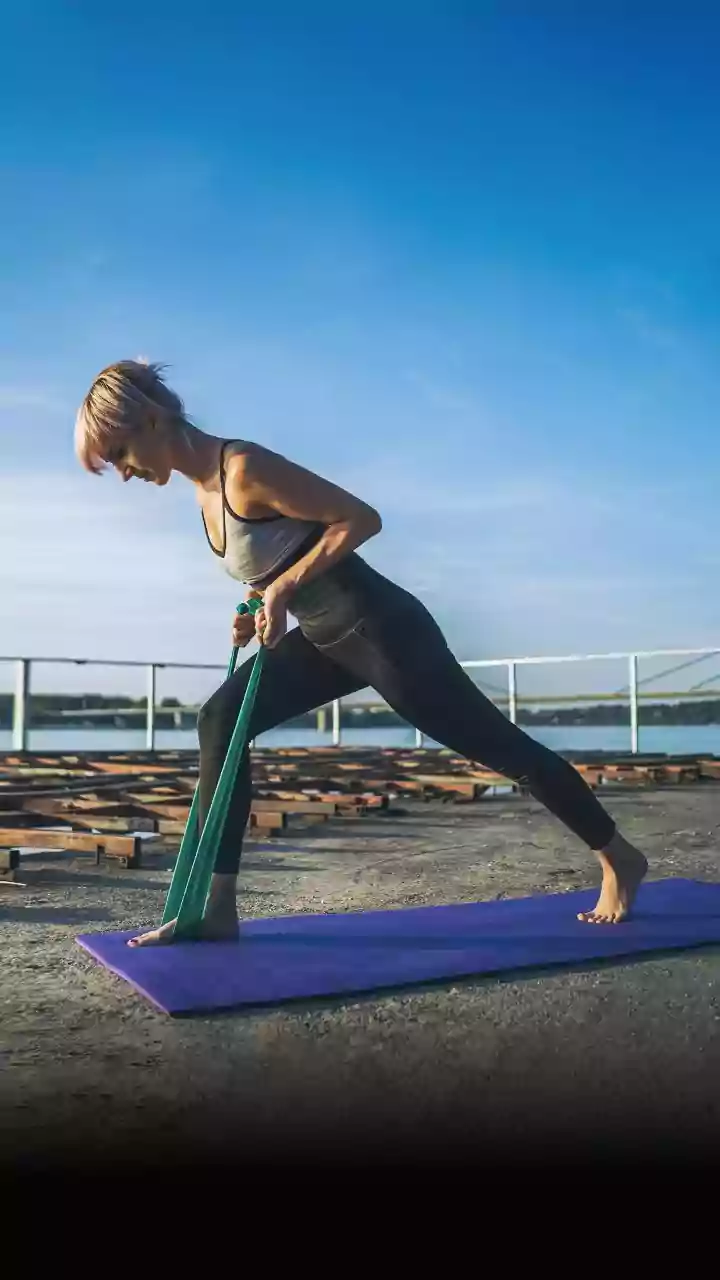
The modern gym is a temple of isolation. We plug in our earphones, stare at screens on cardio machines, and move our bodies along fixed, predictable paths. While gym machines have their place for targeted muscle building and rehabilitation, they can disconnect
us from the very act of movement. They guide our limbs, control our range of motion, and remove the need for our bodies to stabilise, adapt, and react. An outdoor run, especially a barefoot one, is the complete opposite. It’s an immersive, full-body conversation with your environment. Every step is different, every surface a new piece of information, forcing your body and mind to work in harmony.
The Science of Feeling the Earth
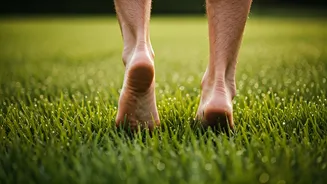
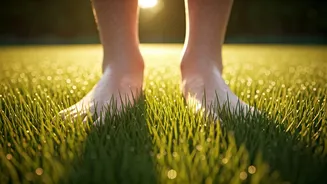
Running barefoot is about more than just feeling the grass between your toes. It’s about proprioception—your body's ability to sense its own position in space. The soles of your feet are packed with nerve endings that send a torrent of information to your brain about the ground beneath you. Padded running shoes dampen this feedback, while running barefoot turns it up to maximum volume. This heightened sense can lead to several benefits. Many proponents argue it encourages a more natural running form, often a mid-foot or forefoot strike instead of the heavy heel-strike common among shod runners. This can potentially reduce impact forces travelling up your legs and lead to fewer injuries in the long run. Furthermore, your feet, with their complex architecture of 26 bones and over 100 muscles and ligaments, get a workout they simply can't get inside a restrictive shoe. You’re building a stronger, more resilient foundation for all movement.
How to Start Your Barefoot Journey
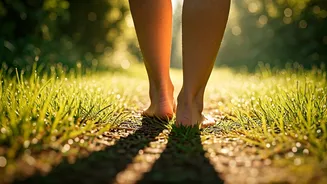
Before you throw your expensive running shoes in the bin, hold on. Transitioning to barefoot running is a marathon, not a sprint. Your feet have been supported for years and need time to adapt. Rushing into it is a fast track to injury. Here’s a sensible plan: 1. **Start Small:** Begin by just walking barefoot on safe, soft surfaces like a clean lawn or a sandy beach for 10-15 minutes a day. This is called ‘earthing’ or ‘grounding’ and helps your feet get used to the sensory input. 2. **Short, Slow Runs:** Once you’re comfortable walking, try running for just a few minutes on a very soft surface, like the grassy part of a well-maintained park. Focus on short, quick, light steps. Think 'running on hot coals'. 3. **Listen to Your Body:** This is the most important rule. If you feel any sharp pain (not just muscle soreness), stop immediately. Your calves and arches will likely feel sore initially as they learn to work in new ways. That's normal, but pain is a warning sign. 4. **Gradual Progression:** Follow the '10 percent rule'. Do not increase your barefoot running distance or time by more than 10 percent per week.
Acknowledge the Risks
Let’s be realistic. Our modern world isn’t always barefoot-friendly. Parks in our cities can hide sharp stones, broken glass, or other hazards. Pavements and hard surfaces are unforgiving and can lead to stress fractures if your body isn't prepared. There's also the risk of cuts, scrapes, and infections. For this reason, many people opt for a middle ground: minimalist shoes. These 'zero-drop' shoes have thin, flexible soles that offer protection from sharp objects while still allowing for a high degree of sensory feedback and natural foot movement. They can be an excellent transitional tool or a permanent alternative for running on less-than-ideal surfaces. If you have pre-existing foot conditions, diabetes, or any circulation issues, it is essential to consult a doctor or podiatrist before even considering barefoot activities.