



Myth 1: Curd Causes Colds and Coughs
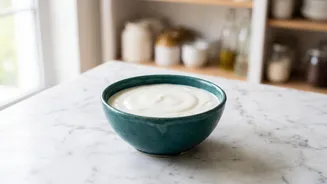
This is the most widespread belief about eating curd in winter. The truth, however, is that curd itself does not cause colds or coughs. These illnesses are caused by viruses, not by any specific food. In fact, curd is a probiotic powerhouse, packed with
good bacteria like lactobacillus that help improve your gut health and, in turn, boost your immune system. A strong immune system is your best defence against winter infections. Modern medical experts clarify that there is no scientific evidence to support the idea that eating curd triggers respiratory infections.
The Ayurvedic Perspective on Mucus
So, where does the myth come from? The concern is rooted in traditional beliefs and Ayurveda. According to Ayurveda, curd has properties that can increase 'Kapha dosha' in the body, which is associated with mucus and coldness. For people who are already prone to respiratory issues like asthma, sinus problems, or frequent colds, consuming curd, especially at night or straight from the refrigerator, might seem to increase mucus secretion or phlegm. However, this is often an individual response and not a universal rule. It’s not that the curd is causing an infection, but that for some, it may exacerbate existing symptoms.
Myth 2: You Must Avoid Curd Completely in Winter
Believing the myths might lead you to banish curd from your diet entirely from December to February, but experts suggest this isn't necessary. You would be missing out on a host of nutrients, including calcium, protein, Vitamin B12, and phosphorus, which are vital for bone health and energy, especially during sluggish winter months. Instead of avoiding it, the key is to consume it smartly. Most experts agree that curd is perfectly safe to eat in winter, provided you follow a few simple guidelines.
How to Eat Curd the Right Way in Winter
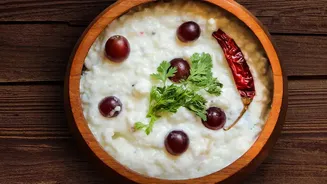
To enjoy the benefits of curd without any worry, timing and temperature are key. The most recommended approach is to consume curd during the daytime, preferably around lunchtime when your digestive system is at its peak. It's best to avoid eating it late at night. Crucially, do not eat curd directly from the refrigerator. Allow it to come to room temperature before consumption. Cold-temperature foods require the body to work harder to warm them up, which can sometimes cause discomfort. For an added digestive boost and to balance its cooling nature, you can mix in spices like roasted cumin powder or black pepper.
The Real Benefits of Winter Curd
Far from being a winter villain, curd is a nutritional hero. Its probiotics are essential for maintaining a healthy gut, which is linked to better immunity and digestion—both crucial during winter when we tend to eat heavier foods. It helps keep digestive issues like bloating and acidity at bay. Furthermore, curd is excellent for skin health, helping to combat the dryness that winter often brings. Its high calcium content supports bone density, and being rich in protein, it can also aid in weight management by keeping you feeling full and satisfied.