



The Perfect Storm: Wet Roads and Festive Travel
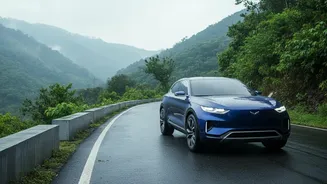
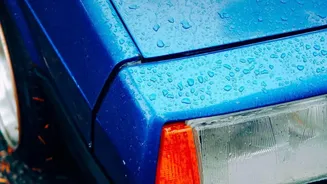
August is a month of contrasts. While the monsoon brings relief from the summer heat, it also makes our roads significantly more dangerous. Heavy downpours reduce visibility, create slippery surfaces from oil and grime, and hide potentially deep potholes
under waterlogged stretches. Compounding this is the holiday factor. In 2026, Raksha Bandhan falls on Friday, August 28, creating a natural long weekend that will see a mass movement of people travelling to be with their families. This surge in traffic on highways and city arteries, combined with treacherous rainy conditions, creates a high-risk environment for accidents. Preparation and a defensive mindset are your best tools for navigating this period safely.
Before You Start: The Non-Negotiable Vehicle Check
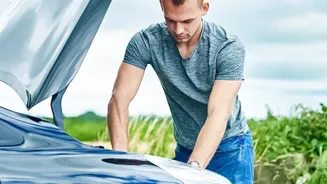
A pre-trip inspection is your first line of defence. Start with the most critical components for monsoon driving. First, your tyres. Ensure they have adequate tread depth—at least 3mm is recommended—to channel water away and prevent hydroplaning. Worn tyres drastically increase braking distance on wet roads. Second, check your wiper blades. If they leave streaks or fail to clear water effectively, replace them. Good visibility is non-negotiable. Third, inspect all your lights: headlights, tail lights, brake lights, and indicators must be in perfect working order. In rain, being visible to others is as important as seeing the road ahead. Finally, have your brakes checked. Wet conditions can reduce their effectiveness, so ensure they are responsive.
On the Road: Adapting Your Driving Style
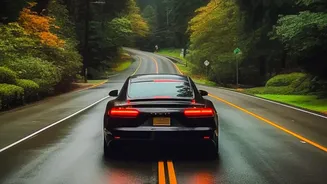
Driving in the rain demands a change in habits. The most important adjustment is to slow down. Wet roads can nearly halve the grip of your tyres, so reducing your speed by at least 25-30% is crucial. Double the distance between your vehicle and the one in front to account for longer braking distances. Use your low-beam headlights even during the day to increase your visibility to other drivers; high beams can reflect off raindrops and worsen your own vision. Avoid sudden braking or sharp turns, as these can easily lead to a skid. If you encounter a waterlogged patch, assess its depth. As a rule of thumb, if the water is higher than the centre of your wheels, it's best to find an alternate route. If you must cross, do so slowly in a low gear, keeping the engine revs high to prevent water from entering the exhaust.
A Special Note for Two-Wheeler Riders
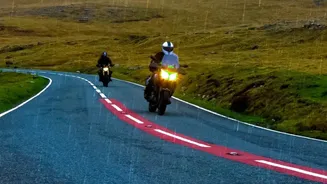
Riders of motorcycles and scooters are far more vulnerable during the monsoon. Beyond wearing a quality helmet and reflective gear, extra caution is paramount. Roads are slipperier, and your braking and grip are significantly less than a car's. Be extremely wary of painted surfaces like zebra crossings, which become exceptionally slick when wet. Watch for larger vehicles, as the spray they kick up can momentarily blind you. When navigating waterlogged sections, keep the bike in first gear and maintain steady, high revs, using the clutch to control your speed. This helps prevent the engine from stalling. Most importantly, other drivers may have a harder time seeing you, so ride defensively and assume you are invisible.
Planning for the Holiday Rush
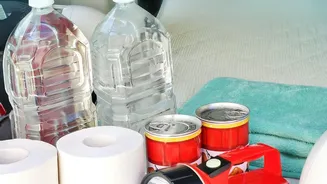
The travel rush around the Raksha Bandhan long weekend will test your patience. Standard GPS travel time estimates often fail to account for the massive volume of holiday traffic combined with weather-related disruptions. It's wise to add a significant buffer to your planned travel time. If possible, start your journey during off-peak hours, such as very early in the morning, to get ahead of the main traffic wave. Pack an emergency kit in your car, including a first-aid kit, a torch, a tow rope, and jumper cables. Ensure your phone is fully charged and you have a power bank. The goal is not just to reach your destination, but to do so without stress and in complete safety.