


Essential Leafy Greens: Palak and Methi
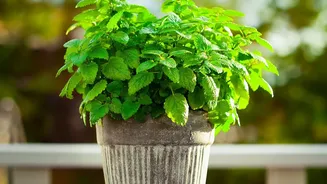
October's mild weather is ideal for growing leafy greens, and spinach (palak) and fenugreek (methi) are among the easiest for beginners. Both grow quickly in containers and reward you with fresh, pesticide-free leaves perfect for Indian cooking. For these,
wide, shallow troughs or rectangular planters are better than deep pots, as they have shallow root systems. Use a well-draining soil mix and sow seeds directly. Place them in a spot that gets around five to six hours of sunlight. You can start harvesting leaves within a few weeks, and regular picking encourages further growth, giving you a steady supply through the cooler months.
Kitchen Staples: Coriander and Mint
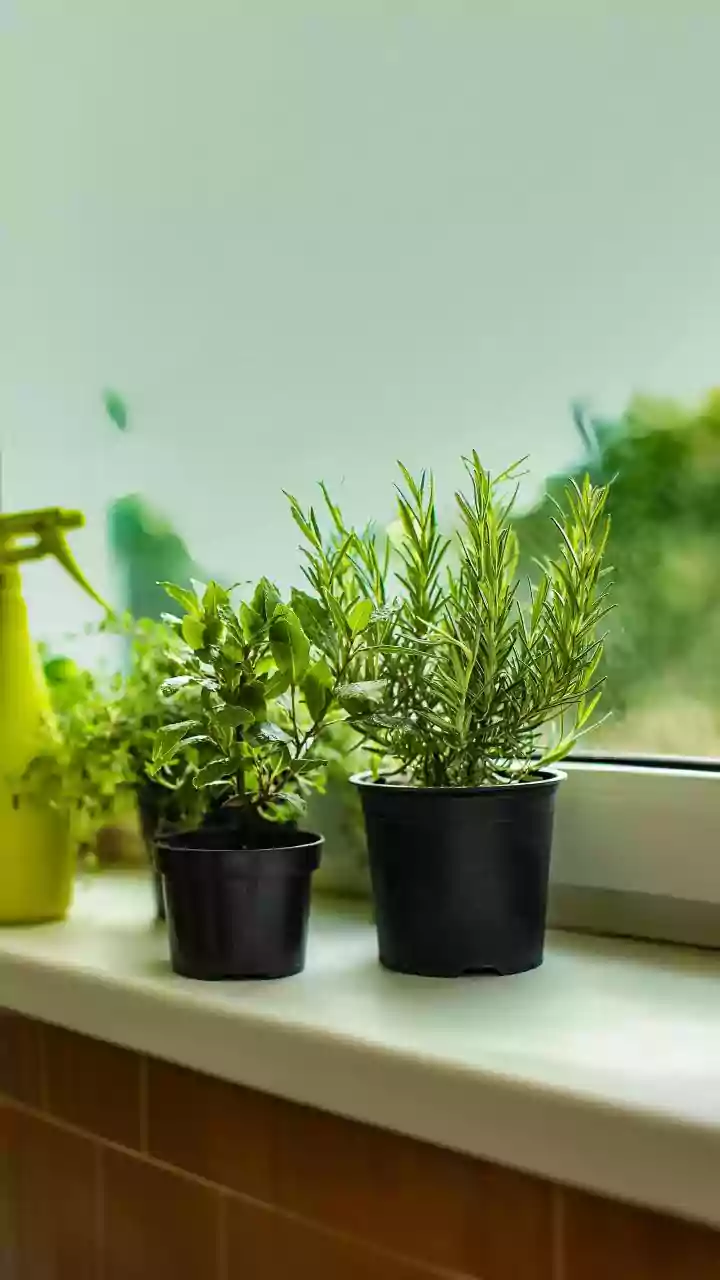
No Indian kitchen garden is complete without coriander (dhaniya) and mint (pudina). Coriander thrives in the cooler temperatures of October, a season that prevents it from bolting (flowering prematurely). It's best to sow coriander seeds directly into the final pot, as it has a long taproot that dislikes being transplanted. Gently crack the seeds before sowing to speed up germination. Mint is even more forgiving and can be grown easily from a cutting. It's a vigorous grower, so it's wise to give it its own pot to prevent it from taking over its neighbours. Both herbs love consistent moisture and partial sunlight, making them perfect for balcony corners that get gentle morning sun.
The Cheerful Flower: Marigold
Marigolds (genda) are a quintessential Indian flower, and October is the perfect time to plant them for a burst of colour through the winter. They are incredibly easy to grow in pots and love full sunlight. French marigold varieties are smaller and bushier, making them ideal for compact spaces. Beyond their cheerful appearance, marigolds are known to be natural pest repellents, making them a great companion plant for your vegetables. Use a well-draining soil mix in a pot that’s at least 6-8 inches deep. Water regularly, but ensure the pot has good drainage to prevent root rot. Deadheading, or pinching off spent blooms, will encourage the plant to produce more flowers.
A Root Vegetable: Radish
Growing root vegetables on a balcony might seem challenging, but radish (mooli) is a fast-growing and satisfying option for container gardeners. The key is choosing a container that is deep enough—at least 25 to 30 cm—to allow the root to develop properly. A grow bag or a deep pot works well. Sow the seeds directly into loose, well-draining soil and place the container in a sunny spot. Radishes are suited to cooler weather and can be ready for harvest in just a few weeks, making them a rewarding crop for impatient gardeners.
Balcony Gardening Essentials
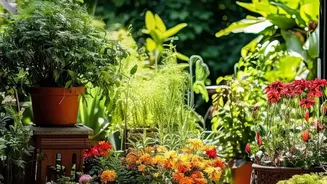
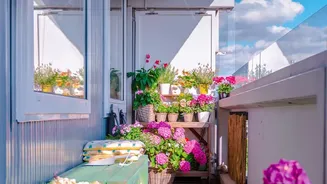
To make the most of your small space, a few basic principles can make all the difference. Always choose pots with drainage holes to prevent waterlogging, which is a common cause of plant failure. For soil, a mix of garden soil, compost, and cocopeat provides both nutrients and good drainage. Pay attention to sunlight; most winter vegetables and flowers need at least 5-6 hours of sun. Observe your balcony for a day to see which spots get the most light. Finally, don't overcrowd your pots. Giving each plant enough space to grow ensures good air circulation and healthier, more productive plants.