






The Call of the Unspoiled
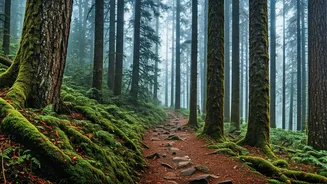
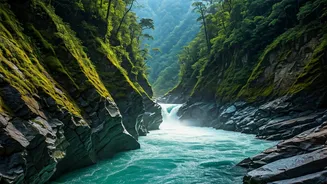
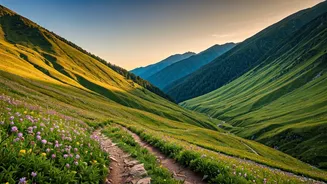
For years, the trekking circuits of Northeast India were the domain of seasoned adventurers willing to navigate challenging terrain and sparse infrastructure for a glimpse of true wilderness. Valleys like Dzukou on the Nagaland-Manipur border, with its otherworldly
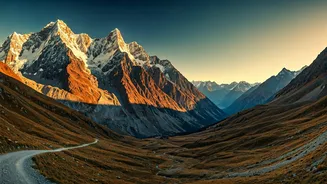
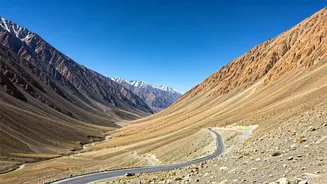
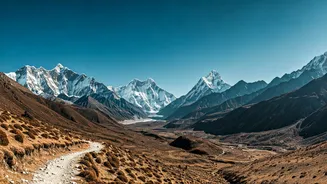
carpet of flowers, or the challenging path to Goechala in Sikkim, offering breathtaking views of Kanchenjunga, were spoken of in hushed, reverent tones. This wasn't Manali or Rishikesh; it was raw, remote, and profoundly peaceful. The appeal was simple: a chance to disconnect in landscapes that felt untouched by the relentless churn of modern life. The region’s unique cultural tapestry, from the monasteries of Arunachal Pradesh to the tribal villages of Nagaland, added another layer of mystique, promising a journey that was as much internal as it was physical.
From Trickle to Tourist Flood
So, what changed? The recent surge isn't a single-factor phenomenon. Post-pandemic, a wave of 'revenge travel' saw Indians exploring their own backyard like never before. The Northeast, previously perceived as distant, became a coveted domestic destination. This was amplified by the power of social media. A single viral reel of Dzukou Valley’s seasonal lilies or a time-lapse of the sunrise over the Himalayas could inspire thousands. Improved flight connectivity to states like Arunachal Pradesh and Sikkim has also shortened the journey, making a week-long trek a more feasible plan for urban professionals. This confluence of wanderlust, digital influence, and better access has turned a slow trickle of backpackers into a steady, and at times overwhelming, stream.
A Double-Edged Economic Boom
For many local communities, the influx is a welcome economic lifeline. The surge in tourism has catalysed a grassroots economy built around homestays, local guides, taxi services, and small eateries. In villages that previously relied solely on agriculture, tourism offers a new, lucrative source of income, particularly for the youth, potentially stemming migration to larger cities. Tour operators report booking calendars full months in advance. However, this boom is precarious. The infrastructure in these remote areas is often not equipped to handle such large numbers. Unregulated growth can lead to price wars, overcrowding, and a strain on essential resources like water and waste management, threatening the very quality of life the boom was meant to improve.
Footprints on a Fragile Paradise
The most significant cost of this newfound popularity is environmental. The serene trails are now grappling with problems once associated with more commercialised hill stations: plastic waste, trail erosion from heavy footfall, and noise pollution. Fragile alpine meadows are being trampled, and delicate ecosystems disturbed. The devastating forest fire in the Dzukou Valley in 2021, reportedly caused by tourist activity, served as a stark warning. The incident highlighted the immense vulnerability of these landscapes. Beyond the ecological damage, there is a cultural impact. The sudden, large-scale exposure to outside influences can place a strain on the unique customs and traditions of local communities, turning authentic cultural experiences into commercialised transactions.
Finding a Sustainable Path Forward
Recognising the threat, stakeholders are beginning to act. State governments and local bodies are exploring models for responsible tourism. This includes implementing a permit system, setting a cap on the number of daily visitors for sensitive areas like Dzukou Valley, and promoting mandatory guide services to ensure trekkers adhere to eco-friendly practices. Many local tour operators and community-led organisations are now championing the 'leave no trace' philosophy, educating tourists on waste management and responsible behaviour. The goal is to shift the mindset from high-volume tourism to high-value, low-impact travel, where visitors contribute positively to conservation and the local economy without destroying the resource they came to enjoy.