





You've watched your houseplant thrive for months, but now, new growth has stalled. Before you worry, understand that this slowdown is often a normal, healthy part of a plant's annual cycle. Let's explore why this happens and what it means.
It's a Natural Rhythm, Not a Bad Sign
Many houseplants,
especially tropical varieties, don't truly go 'dormant' like a deciduous tree losing its leaves. Instead, they enter a period of significantly slowed growth, almost like a semi-hibernation. This is a natural survival mechanism triggered by environmental cues, allowing the plant to conserve energy during less-than-ideal conditions. Rather than a sign of failure, this rest period is crucial for the plant's long-term health, helping it build strength for a burst of new growth in the spring. For many species, this winter rest is even necessary to trigger flowering later in the year.
The Power of Less Light
The single biggest trigger for this slowdown is the change in light. Even indoors, your plants are sensitive to shorter winter days and the lower intensity of the sun. Light is the fuel for photosynthesis, the process plants use to create energy for growth. With less fuel available, the plant's metabolism naturally slows down. It stops producing as many new leaves and focuses its energy on simple maintenance. You can help by moving plants closer to your brightest windows or wiping dust off their leaves to maximize light absorption.
Adjusting to New Water Needs
One of the most common mistakes plant owners make during this period is overwatering. Since the plant isn't actively growing, its water requirements drop significantly. The soil will stay moist for much longer than it did in the summer. Continuing a summer watering schedule can lead to persistently wet soil, which suffocates roots and can cause root rot. The best rule is to ignore the calendar and check the soil. Insert your finger an inch or two deep; if it feels moist, wait longer before watering.
Hold the Fertiliser
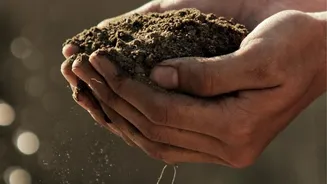
If a plant isn't growing, it doesn't need extra food. Feeding a dormant or slow-growing plant is not only unnecessary but can be harmful. Fertiliser provides nutrients that plants use for active growth. When the plant isn't using these nutrients, they can build up in the soil as salts, which can burn and damage the delicate root system. As a general rule, stop fertilising in the autumn and don't start again until you see clear signs of new growth in the spring.
Dormancy or Distress?
While a slowdown is normal, it's also important to distinguish it from a plant in distress. A dormant plant may stop growing or even drop a few lower leaves, but its stems should remain firm and its roots healthy. Signs of trouble include mushy stems, a bad smell from the soil, widespread yellowing, or soft, rotting roots. You can perform a 'scratch test' on a woody stem; if it's green underneath the surface, the plant is still alive. A resting plant is stable, while a declining plant will continue to get worse.