








1. Turmeric (Haldi): The Golden Healer
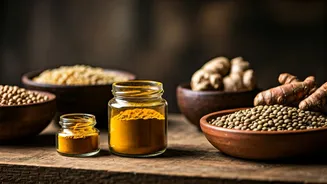
Every Indian kitchen is incomplete without a box of vibrant yellow turmeric powder. We use it for colour and a subtle, earthy flavour in everything from dal to sabzi. But this everyday spice is a global wellness superstar, primarily thanks to its active
compound, curcumin. Curcumin has potent anti-inflammatory and antioxidant properties. Inflammation is linked to many chronic conditions, and incorporating anti-inflammatory foods can support overall health. While traditional cooking has used it for centuries, modern science is now catching up, studying its potential benefits for joint health, brain function, and more. For a simple wellness boost, try a warm glass of 'haldi doodh' (turmeric milk) before bed. A pinch of black pepper can significantly increase your body's absorption of curcumin, a trick our grandmothers have known all along.
2. Lentils (Dal): The Humble Powerhouse
Dal is the ultimate comfort food in India, a staple that’s on the table almost daily. But its familiarity can make us forget just how nutritious it is. Lentils—whether they are toor, masoor, moong, or chana dal—are nutritional powerhouses packed with plant-based protein, dietary fibre, and essential minerals like iron and magnesium. The high fibre content aids digestion and promotes a feeling of fullness, which can help with weight management. The protein is crucial for muscle repair and growth. Unlike many trendy 'superfoods' that require special preparation, dal is inexpensive, easy to cook, and incredibly versatile. It’s the foundation of a balanced, satisfying meal that has sustained generations.
3. Ginger (Adrak): The Soothing Spice
That piece of ginger you reach for to make your morning chai is more than just a flavour enhancer. For thousands of years, ginger has been a cornerstone of traditional medicine, especially in Ayurveda, for its digestive benefits. Its main bioactive compound, gingerol, is responsible for much of its medicinal power. It is famously used to soothe nausea, combat indigestion, and ease an upset stomach. It also has strong anti-inflammatory and antioxidant effects. On a rainy day, there’s nothing better than a cup of adrak chai to warm you up and potentially ward off a cold. You can also add grated ginger to soups, stir-fries, and marinades to easily incorporate its benefits into your daily diet.
4. Chickpeas (Chana): The Versatile Protein
Whether as whole white kabuli chana or the smaller, darker kala chana, chickpeas are a beloved staple across India. From chhole bhature to a simple sundal, their culinary uses are endless. From a wellness perspective, they are a fantastic source of plant-based protein and fibre, making them an excellent choice for vegetarians and anyone looking to eat less meat. The combination of protein and fibre makes chickpeas incredibly satisfying, helping to keep you full and energized for longer. They are also rich in manganese, folate, and iron. Beyond curries, try roasting them with spices for a crunchy, healthy snack, or blend them into homemade hummus for a delicious and nutritious dip.
5. Fenugreek (Methi): The Bitter Balancer
Those small, hard, yellowish-brown seeds in your spice box might not be the star of the show, but fenugreek, or methi dana, has a long history of use for its health benefits. It's particularly noted in traditional practices for its potential role in helping to regulate blood sugar levels, thanks to its high soluble fibre content. This fibre can slow down the absorption of carbohydrates and sugar. Methi is also used by new mothers to boost milk production. While the seeds have a strong, slightly bitter taste, tempering them in hot oil (as part of a tadka) mellows their flavour. You can also soak a teaspoon of seeds in water overnight and drink the water in the morning, a common home remedy.