







From Packets to Platters
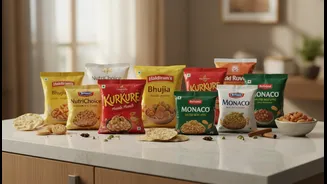
For decades, brands like Haldiram's, Bikanervala, and Adyar Ananda Bhavan have been household names, their packaged snacks and sweets defining celebrations and evening chai. But a fascinating shift has occurred. These giants are no longer content with
just ruling the retail aisle; they have successfully ventured into the restaurant space, transforming from product manufacturers into full-fledged culinary experience providers. This move isn't just about diversification. It's a calculated strategy to build a deeper, more immersive connection with customers. A packet of bhujia is a snack, but a thali served in a bustling, hygienic restaurant is an experience. It’s a powerful form of experiential marketing.
A Culinary Map of India Under One Roof
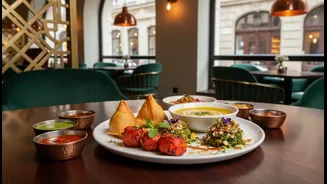
These restaurants serve as living catalogues of India's immense culinary diversity. Walk into a sprawling Haldiram's outlet, and you can journey from the chaats of Delhi to the chhole bhature of Punjab, and then to a South Indian platter, all within a few steps. Brands like Bikanervala have followed a similar path, evolving from a small shop in Chandni Chowk to a chain of restaurants serving traditional Indian meals alongside their signature sweets and snacks. This strategy allows them to showcase regional specialties that might be too complex or niche for packaged retail, effectively turning their restaurants into culinary heritage centres. They are making regional Indian food, once confined to specific geographies or family kitchens, accessible to a mass audience.
The Business of Authenticity
The restaurant business is notoriously challenging, so why would successful FMCG companies take the risk? The answer lies in brand building. These restaurants act as powerful brand touchpoints. They reinforce the brand's core promise of quality, taste, and tradition on a much larger scale. By controlling the entire experience from preparation to presentation, they can guarantee a level of quality and hygiene that street-food vendors often cannot, making traditional favourites like pani puri safe and accessible for everyone. This controlled environment allows them to standardize recipes, ensuring that a plate of raj kachori tastes the same in Delhi as it does in Bengaluru, a logistical feat that builds immense brand trust and loyalty.
More Than Just a Meal
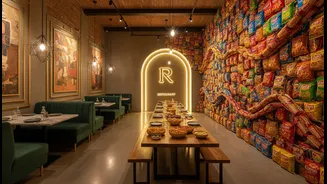
Ultimately, these restaurants are more than just places to eat. They are showrooms for the brand's identity as a guardian of Indian culinary traditions. Every meal served is a testament to the brand's heritage and expertise. This strategy creates a powerful synergy: the restaurant experience drives sales of the packaged products, and the packaged products serve as a constant reminder of the delicious meal you enjoyed. It’s a virtuous cycle. The success of this model has established a proven playbook for scaling an authentic food business across India's incredibly diverse regional markets. As these brands expand their restaurant footprints, they are not just growing their businesses; they are actively preserving and promoting the rich, varied, and delicious tapestry of Indian food.