





More Than Just Staying Dry
For generations, the monsoon has been a time of renewal and relief, but also a period demanding physical adjustment. The shift in humidity, drop in temperature, and changes in the environment can impact everything from our digestion to our mood. Traditionally,
Indian households have always adapted, switching to lighter meals and incorporating warming spices. Today, this intuitive practice is being formalised and expanded into a full-fledged wellness movement. It’s no longer just about avoiding a cold; it’s about holistically aligning your body and mind with the rhythm of the season.
The Ayurvedic Blueprint: Varsha Ritucharya
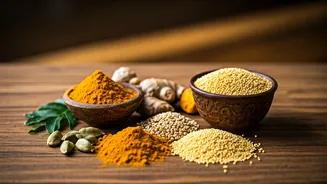
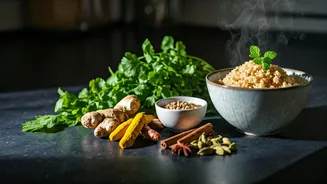
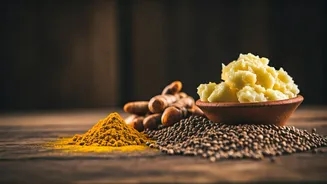
At the heart of monsoon wellness is the ancient Ayurvedic concept of Varsha Ritucharya, or the monsoon regimen. According to Ayurveda, the monsoon season aggravates the Vata dosha (the energy of air and space), which can lead to issues like joint pain, indigestion, and anxiety. Simultaneously, the digestive fire, or agni, is believed to be at its weakest. The traditional prescription is therefore to follow a diet and lifestyle that pacifies Vata and supports digestion. This includes eating warm, light, and freshly cooked meals, avoiding leafy greens (which can be hard to digest and may harbour germs), and incorporating spices like ginger, black pepper, and turmeric. It’s a time-tested framework for maintaining balance when the external environment is in flux.
Old Wisdom in a New Bottle
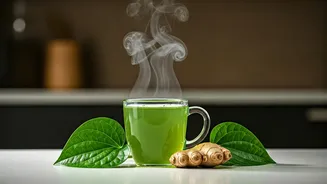
What makes the current trend different is how these age-old principles are being packaged for a modern audience. The Ayurvedic focus on a weak agni perfectly aligns with the contemporary obsession with 'gut health'. The emphasis on immunity-boosting herbs like tulsi and ashwagandha speaks directly to our post-pandemic desire for resilience. Practices like Abhyanga (self-massage with warm oil) to pacify Vata are now framed as luxurious self-care rituals. This fusion makes the tradition accessible, transforming what might have seemed like restrictive rules into appealing lifestyle choices. Brands are tapping into this by launching monsoon-specific herbal tea blends, immunity-boosting supplements, and even curated meal plans.
The New Monsoon Menu
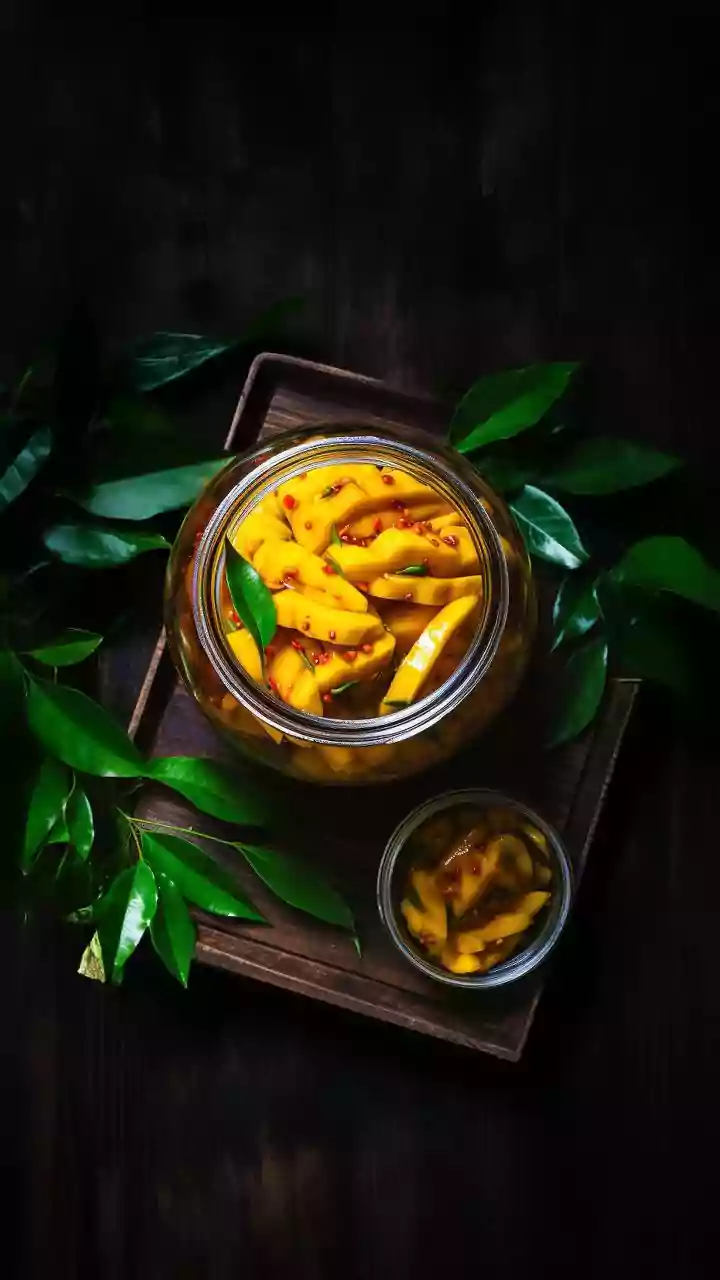
This cultural shift is most visible on our plates and in our cafes. Health-conscious restaurants are introducing special 'monsoon menus' featuring warm soups, steamed dishes, and drinks made with healing spices. Forget deep-fried snacks; the new monsoon indulgence is a bowl of nourishing khichdi, a light lentil soup, or a detoxifying kadha. At home, social media is buzzing with recipes for everything from fermented rice porridge to vegetable stews that are both comforting and easy on the stomach. The focus is on local, seasonal produce that is naturally suited for the climate, marking a conscious move away from processed foods and towards mindful eating.
From Spas to Social Feeds
The wellness industry has been quick to embrace the trend. Spas and wellness retreats now offer 'monsoon rejuvenation' packages that include detox therapies, oil massages, and yoga sessions tailored for the season. It’s also a digital phenomenon. Influencers and wellness practitioners share tips on #MonsoonWellness, covering everything from skincare routines to combat humidity-induced breakouts to mindfulness practices for enjoying a rainy day indoors. This digital conversation is amplifying the message, making monsoon wellness not just a practice but an aspirational lifestyle, encouraging people to see the season as an opportunity for introspection and healing rather than an inconvenience.