
The Modern Craving for Tradition
There was a time when ready-to-eat food felt like a compromise, a last resort for travellers or students living far from home. That perception is rapidly changing. Driven by urbanization, dual-income households, and the sheer pace of modern life, the demand
for convenient meal solutions has exploded. The Indian ready-to-eat food market was valued at over a billion dollars in 2024 and is projected to grow significantly, with some estimates predicting a compound annual growth rate of over 16%. This isn't just about saving time; it's a fundamental shift in how people approach meals. Consumers are no longer willing to sacrifice authenticity or nutrition for speed. They want the comfort of a home-cooked meal—the dal makhani, the veg biryani, the poha—without spending hours in the kitchen. This has created a massive opportunity for brands that can deliver on all three fronts: convenience, quality, and the unmistakable taste of tradition.
Innovation in Aisle Four
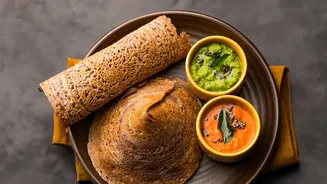
Walk through a modern supermarket today, and you'll find far more than just basic canned curries. The innovation is astounding. The category has expanded to include everything from preservative-free idli and dosa batters to retort-pouched regional specialities like Andhra Veg Pulao and Kolapuri Misal. Startups like iD Fresh Food have become household names by making South Indian breakfasts accessible to millions. Brands are reviving ancient grains, with companies like Slurrp Farm offering millet-based pancake and dosa mixes for health-conscious parents. The technology behind these products has also evolved dramatically. Techniques like freeze-drying, which removes moisture while preserving taste and nutrients, allow brands to offer complex dishes that can be ready in minutes with just hot water. This means you can now find everything from paneer bhurji to Gujarati dal in shelf-stable formats that deliver a surprisingly authentic experience.
Startups Serving Nostalgia
This culinary revolution is being led by a dynamic mix of established players like MTR and Haldiram's and a vibrant ecosystem of new-age startups. These entrepreneurs are often driven by a personal mission to preserve the recipes of their parents and grandparents. They are not just selling food; they are selling comfort, connection, and nostalgia. Brands like ShimlaRed are focusing on creating preservative-free meal solutions that cater to busy households globally. Others are tapping into the growing demand for clean-label and health-focused products, offering everything from calorie-counted Indian meals to high-protein, maida-free noodles. The rise of quick commerce and direct-to-consumer (D2C) models has enabled these brands to reach a wider audience, bypassing the traditional distribution challenges that once favoured only large corporations.
Authenticity in a Packet?
The big question, of course, is whether a packaged product can ever truly replicate the taste of a dish made from scratch. While some purists may remain skeptical, food technology has made incredible strides. Retort packaging, vacuum sealing, and advanced preservation methods help maintain the integrity of ingredients and spices without resorting to artificial additives. Many brands are also intensely focused on sourcing and their supply chains to ensure the final product is as close to the original as possible. The goal is not to replace traditional cooking entirely but to offer a reliable and delicious alternative. For a generation living in nuclear families or away from their hometowns, these products serve as a crucial culinary link to their heritage. The availability of region-specific dishes, from Rajasthani bhujia to Bengali sweets, ensures this connection is culturally relevant and deeply personal.