


The Lithium-Ion Hurdle
For years, the electric vehicle revolution has been powered by lithium-ion batteries. They're in our phones, our laptops, and the electric scooters zipping through city streets. While effective, they have a significant downside: cost. Lithium is a relatively
rare element, and its price can be volatile, influenced by geopolitics and concentrated supply chains. For a price-sensitive market like India, the battery can account for a massive chunk of an electric scooter's final price, which currently ranges from ₹70,000 to over ₹1 lakh for decent models. This high upfront cost remains the single biggest barrier preventing millions of Indians from making the switch to electric.
The Salt-in-the-Battery Solution
Enter the sodium-ion battery. The basic principle is similar to its lithium-based cousin, involving ions moving between an anode and a cathode to store and release energy. The game-changing difference lies in the core material. Instead of lithium, it uses sodium, the same element found in common table salt. Sodium is one of the most abundant elements on Earth, making it significantly cheaper and more widely available. This abundance insulates it from the supply chain issues and price shocks that affect lithium, potentially leading to battery cost reductions of 30-40%. Moreover, manufacturers can adapt existing lithium-ion production lines to make sodium-ion cells, smoothing the path to large-scale production.
Cost vs. Performance: The Big Trade-Off
If sodium-ion is so much cheaper, why isn't it everywhere already? The primary trade-off has been energy density. In simple terms, early sodium-ion batteries stored less energy for the same weight compared to lithium-ion packs. For an electric scooter, this would mean a shorter range. However, recent advancements are rapidly closing this gap. Current sodium-ion cells offer an energy density that is more than sufficient for urban commuting, which constitutes the bulk of scooter usage in India. While a top-end scooter might see its range decrease slightly, for an entry-level model aimed at city-based riders, the range is perfectly adequate. Furthermore, sodium-ion batteries have some clear performance advantages: they are safer, with a lower risk of fire, and perform exceptionally well in extreme temperatures, both hot and cold, which is a major plus for the diverse Indian climate.
The Indian Push for Sodium-Ion
The push for sodium-ion technology aligns perfectly with India's 'Make in India' and energy self-sufficiency goals. Several Indian companies are making significant strides in this area. Reliance acquired UK-based Faradion, a leader in sodium-ion tech, and plans to build a giga-factory in India. Other innovators like Indi Energy are developing unique solutions, such as using agricultural waste to create the hard carbon needed for battery anodes, turning a pollution problem into an energy solution. This domestic focus not only promises to lower costs but also builds a resilient local supply chain, reducing dependence on imports for critical battery components.
What This Means for Your Next Scooter
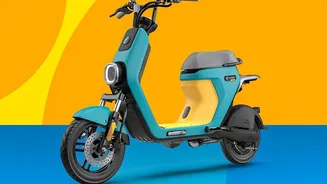
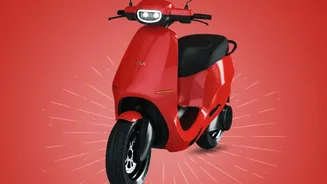
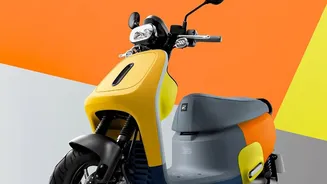
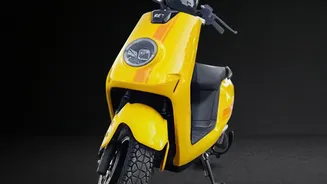
The transition won't happen overnight, but the implications are huge. The first wave of sodium-ion powered two-wheelers is already hitting the market in China, a strong indicator of what's to come. For the Indian consumer, this technology promises the arrival of a new category of highly affordable electric scooters. Imagine reliable, safe electric scooters priced significantly lower than today's entry-level models, bringing them within reach of a much wider audience. This could be the catalyst that truly ignites mass adoption of EVs in the two-wheeler segment, which forms the backbone of personal transport in India. The focus will be on 'good enough' performance for daily use at a revolutionary price point.