




Beyond Good and Bad
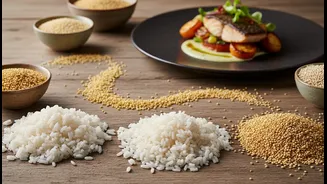
For years, we've been taught to rank grains. We hear about 'superfoods' like quinoa and 'empty carbs' like white rice. While there are nutritional differences, this black-and-white thinking ignores the most important thing about food: how it tastes and cooks.
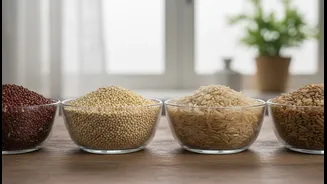
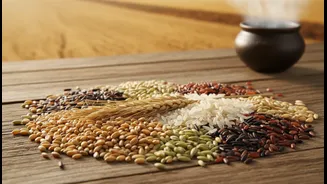
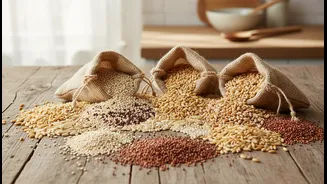
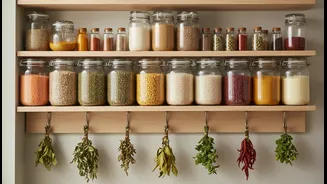
A truly functional pantry isn't about collecting the highest-ranking grains; it's about understanding what each one does best. Some are fluffy and light, others are chewy and robust. Some cook into a creamy porridge, while others hold their shape perfectly in a salad. Thinking about a grain's texture and flavour, rather than just its health score, unlocks a new level of creativity and satisfaction in the kitchen.
For a Chewy, Hearty Bite
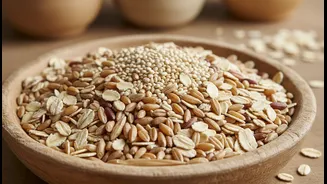
When you want a dish with substantial texture and a satisfying, toothsome quality, turn to grains like farro and barley. Farro, an ancient wheat grain popular in Italian cuisine, has a nutty flavour and a wonderfully chewy texture that holds up well in soups, stews, and salads. Whole farro needs a longer cooking time, but semi-pearled versions cook more quickly. Barley is similarly robust, with a nutty taste that pairs beautifully with mushrooms and root vegetables. It's a classic addition to soups and stews for a reason, adding bulk and a pleasing bite. For the most nutrients and texture, opt for hulled or hull-less barley over the more refined pearl barley.
For Fluffy, Light and Separate Grains
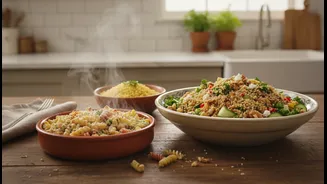
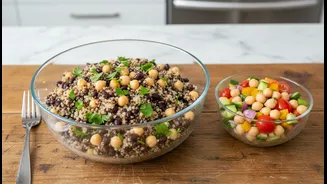
If you're building a grain bowl or a light pilaf, you need a grain that cooks up fluffy and distinct. Quinoa is the champion here. After a good rinse to remove any bitterness, it cooks quickly into light, poppy grains perfect for salads. Millet is another excellent choice. When cooked with a standard grain-to-water ratio, these tiny yellow spheres become fluffy and nutty, a fantastic substitute for rice in stir-fries or as a simple side dish. Bulgur, which is parboiled and cracked wheat, is another quick-cooking option that just needs to be soaked in hot water for a tender, fluffy result ideal for salads like tabbouleh.
For Creamy, Comforting Porridges
Sometimes you crave the comfort of a creamy, spoonable dish. While oats are the obvious go-to, other grains excel at creating a porridge-like consistency. Amaranth, a tiny pseudo-grain, cooks into a thick, polenta-like porridge with a peppery, nutty taste. It’s a complete protein, making it a nutritious start to the day. Teff, the world's smallest grain and the base for Ethiopian injera bread, also yields a smooth, hearty porridge reminiscent of polenta. For a different take, sorghum can be cooked into a filling porridge, and even millet, when cooked with extra liquid and whipped, can become as creamy as mashed potatoes.
For Smoky and Earthy Flavours
To add a unique, deeper flavour to your meals, explore grains with distinctive earthy or smoky profiles. Freekeh is a standout in this category. It's young, green wheat that has been roasted, giving it a signature smoky taste and a firm, chewy texture. It’s a wonderful replacement for rice or pasta in soups, pilafs, and salads, pairing especially well with Middle Eastern flavours. Buckwheat, despite its name, is a gluten-free seed with a robust, earthy flavour. It's used to make everything from Japanese soba noodles to Eastern European kasha and adds a hearty, assertive taste to any dish it’s in.