




The Current Crisis: Mumbai-Pune Corridor Disrupted
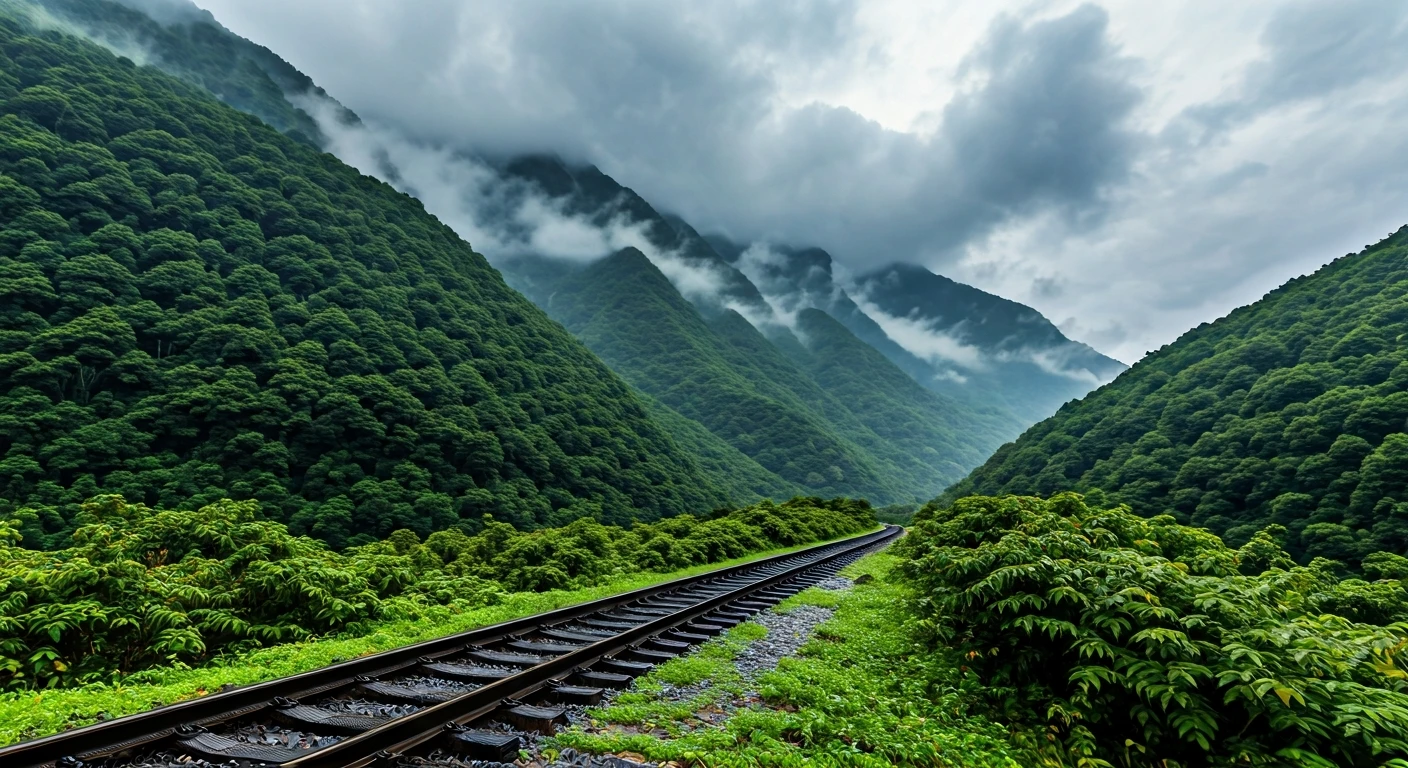
The start of this week has seen severe disruptions for travelers on one of India's busiest routes. Heavy monsoon downpours over the weekend triggered multiple landslides in the critical Bhor Ghat section between Karjat and Lonavala. As of Monday, July
6, these landslides have blocked all three railway lines connecting Mumbai and Pune, forcing Central Railway to suspend services. This has led to the cancellation, diversion, or rescheduling of at least 16 major intercity trains, including popular services like the Deccan Queen, Indrayani Express, and Intercity Express. The disruption is not limited to rail; the Mumbai-Pune Expressway and the old highway have also been shut down due to landslides, effectively cutting off ground transport between the two cities. Authorities have strongly advised the public to avoid all non-essential travel on this route until the situation is resolved.
Emergency Response and Passenger Information
In response to the crisis, railway authorities have deployed teams to work on clearing the debris and restoring the tracks on a 'war footing'. Officials have stated that restoration work is underway, but the continuous rainfall presents a significant challenge. To assist stranded passengers, Central Railway has activated special helplines at major stations including CSMT, Thane, and Lonavala. For all travelers affected by these sudden changes, the most crucial step is to seek real-time information before heading to the station. Passengers are urged to check their train's status using the National Train Enquiry System (NTES) mobile app or website for the latest updates on cancellations, diversions, and expected restoration times. This will remain the most reliable source of information as the situation evolves.
The Proactive Plan: Understanding the Monsoon Timetable
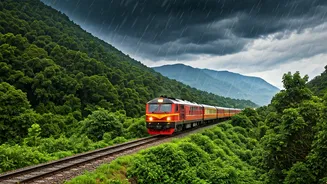
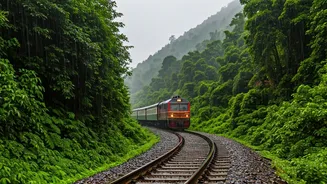
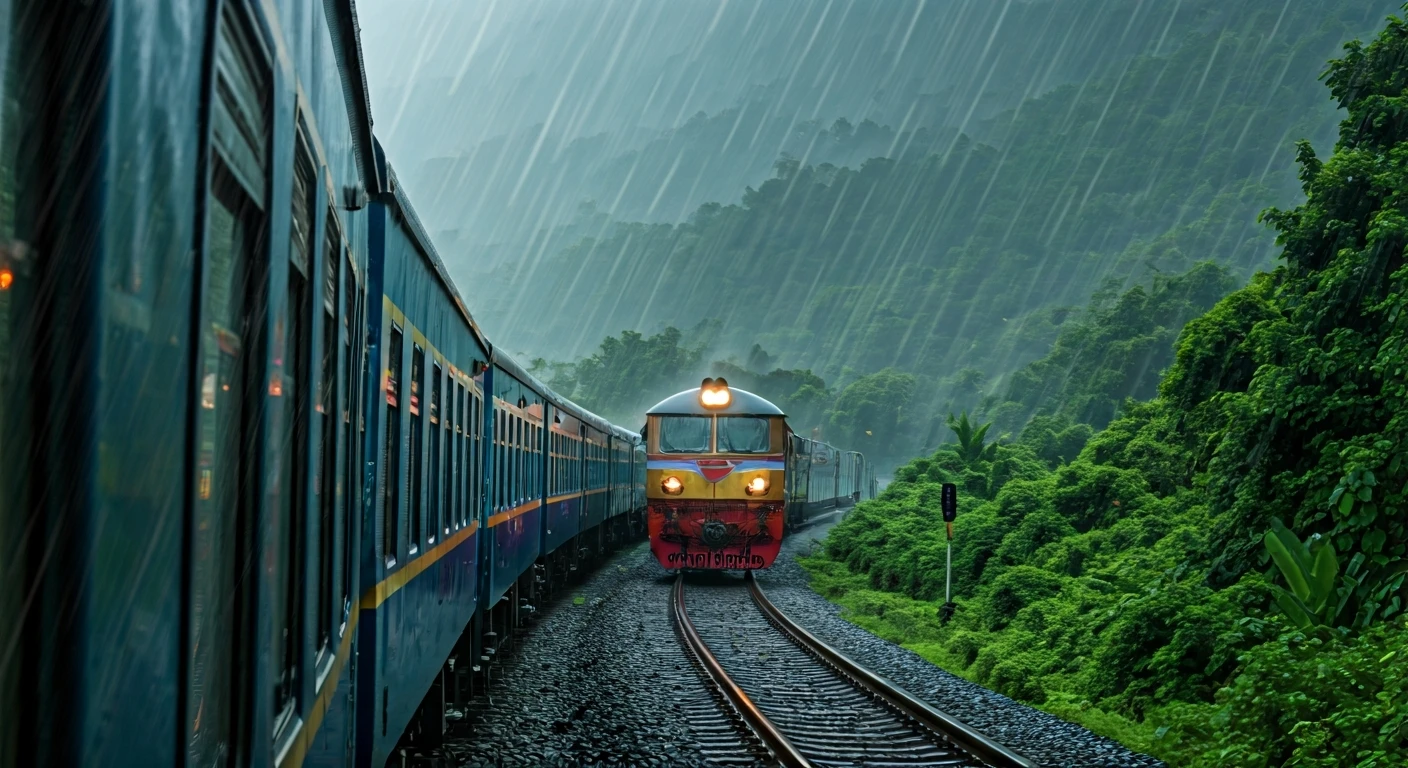
Beyond the immediate emergency response, the term 'rain train planning' also refers to a proactive strategy that Indian Railways implements every year. To ensure passenger safety during the treacherous monsoon months, a system-wide 'Monsoon Timetable' is put into effect, typically from mid-June to mid-October. This special schedule primarily affects routes that pass through areas prone to heavy rainfall and landslides, most notably the Konkan Railway network which spans the Western Ghats. The core of this plan is a precautionary speed reduction in vulnerable sections. Where trains might typically run at 110-120 kmph, their speed is brought down to as low as 40-75 kmph to mitigate risks associated with unstable track conditions and reduced visibility. This is a planned, safety-first approach to keeping the network running, albeit at a slower pace.
How This Affects Your Travel Plans
The implementation of the Monsoon Timetable has a direct impact on passengers. The reduced speeds mean that journey times are extended, sometimes by several hours. To accommodate this, railways reschedule dozens of trains. This often means trains will depart from their originating stations significantly earlier than their non-monsoon schedule. For example, some services have seen their departure times moved up by two to three hours. It is crucial to note that this affects all types of trains, including premium services like the Vande Bharat, Rajdhani, and Tejas Expresses. Arriving at the station based on an old timetable could easily result in a missed train. Therefore, for any travel planned until October, verifying the 'monsoon' departure and arrival times is not just advisable, it is essential.
A Traveler's Guide to Monsoon Train Journeys
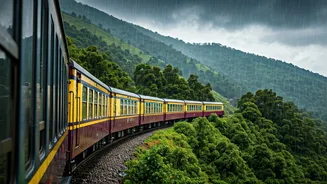
Navigating train travel during the monsoon requires a bit more preparation and flexibility. First and foremost, always check the live running status of your train on the day of your journey. Second, pay close attention to weather alerts issued by the India Meteorological Department (IMD), especially 'red' or 'orange' alerts for your route, as these often precede major disruptions. If your travel is critical, consider having a backup plan. While scenic train journeys through the Ghats are popular during the monsoon, be aware that these are the very routes most susceptible to delays and cancellations. Finally, when booking tickets or planning your trip during this season, build in extra buffer time to account for potential delays. Staying informed and prepared is the best strategy to ensure your journey is as smooth as possible, even when the weather is not.